James Cameron’s AI Warning: Why the Avatar Creator Calls Generative AI ‘Horrifying’
James Cameron, the visionary director behind Avatar and Titanic, has dropped a bombshell on the entertainment industry’s AI revolution. The performance-capture pioneer, who revolutionized filmmaking with his groundbreaking digital techniques, recently labeled generative AI as “horrifying” – a stark warning from someone who has spent decades pushing technological boundaries.
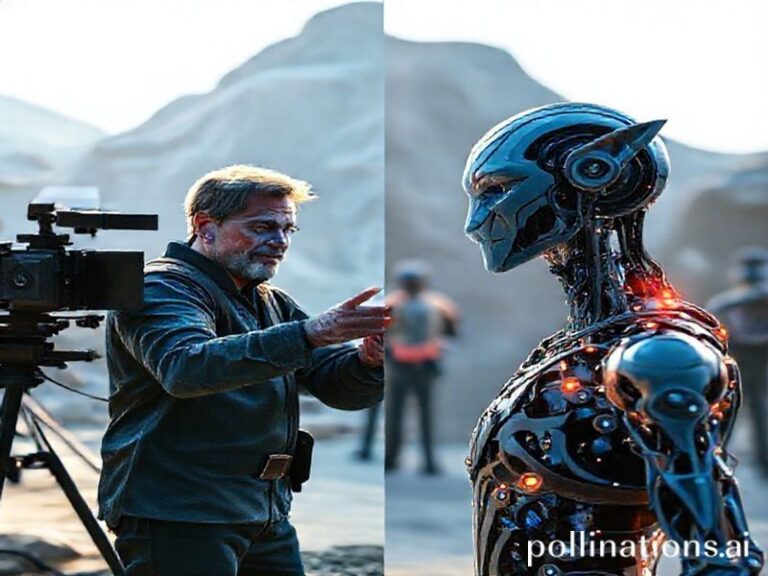
Cameron’s concerns center on what he sees as the erosion of the sacred actor-director relationship, a creative partnership he believes is fundamental to authentic storytelling. As Hollywood grapples with AI’s growing influence, his words carry particular weight given his track record of successfully merging cutting-edge technology with human emotion.
The Paradox of a Tech Visionary’s AI Skepticism
It’s ironic that Cameron, who pioneered performance-capture technology in Avatar and created digitally-enhanced worlds that captivated billions, would speak against technological advancement. However, his position reveals a nuanced understanding of technology’s role in creative expression.
Cameron’s Technological Legacy
Before dismissing Cameron’s concerns as technophobia, consider his credentials:
- Pioneered performance-capture technology that captured actors’ nuanced expressions for Na’vi characters
- Developed new camera systems for underwater filming in The Abyss and Titanic
- Pushed boundaries of CGI with liquid metal effects in Terminator 2
- Created entirely digital worlds while preserving human performance authenticity
His issue isn’t with technology itself, but with how generative AI fundamentally alters the creative process by removing human intuition and spontaneous collaboration from the equation.
The Actor-Director Collaboration at Risk
Cameron’s primary concern focuses on how generative AI disrupts the organic creative process between performers and directors. This relationship, built on trust, experimentation, and human vulnerability, creates the emotional authenticity that audiences connect with.
What Makes Human Collaboration Irreplaceable
The director-actor dynamic involves subtle exchanges that AI cannot replicate:
- Micro-adjustments: Directors read body language and energy levels to guide performances
- Emotional authenticity: Genuine human emotions create unpredictable, powerful moments
- Creative spontaneity: On-set discoveries often lead to breakthrough performances
- Trust and vulnerability: Actors take risks when they feel emotionally safe
Generative AI, by contrast, operates on patterns and probabilities rather than emotional truth. It can mimic performances but cannot create the authentic human connection that emerges from real collaboration.
Industry Implications: Beyond Hollywood
Cameron’s warning extends beyond entertainment. His concerns reflect broader questions about AI’s impact on human creativity across industries.
The Ripple Effect Across Creative Industries
- Advertising: AI-generated commercials risk losing authentic brand connection
- Video games: Performance capture actors worry about being replaced by AI voices
- Music: AI-generated songs challenge the authenticity of artistic expression
- Journalism: Automated content raises concerns about losing human perspective
The technology sector must consider whether efficiency gains justify potentially losing the human elements that make content resonate emotionally with audiences.
Practical Insights: Balancing Innovation and Authenticity
Rather than rejecting AI entirely, industry professionals can learn from Cameron’s perspective to develop more thoughtful integration strategies.
Best Practices for AI Integration
1. Preserve Human Core: Use AI for technical enhancement while maintaining human performers for emotional content
2. Transparent Collaboration: Clearly communicate when AI assists versus when humans create
3. Hybrid Approaches: Combine AI efficiency with human creativity, like using AI for pre-visualization while keeping human actors for final performances
4. Ethical Guidelines: Establish industry standards protecting performer rights and creative authenticity
The Future: Coexistence or Competition?
As AI capabilities advance, the entertainment industry faces a crucial decision point. Cameron’s warning suggests we need to thoughtfully consider technology’s role rather than blindly embracing every innovation.
Emerging Possibilities
The future might hold unexpected solutions:
- AI as Creative Assistant: Helping directors plan shots while humans execute performances
- Enhanced Performance Capture: Using AI to improve, not replace, human actor capabilities
- New Art Forms: AI-generated content becoming its own category, separate from traditional filmmaking
- Audience Evolution: Viewers developing appreciation for both AI-generated and human-created content
Conclusion: A Call for Thoughtful Innovation
James Cameron’s “horrifying” assessment of generative AI serves as a crucial wake-up call for industries racing toward technological adoption. His perspective reminds us that innovation should enhance rather than replace human creativity.
As we stand at this technological crossroads, Cameron’s warning challenges us to consider what we might lose in our pursuit of efficiency and novelty. The question isn’t whether AI will transform entertainment – it already has – but whether we’ll preserve the human elements that make stories worth telling and performances worth watching.
The path forward requires balancing technological capability with creative authenticity, ensuring that AI serves as a tool for human expression rather than its replacement. In Cameron’s view, and increasingly in the view of many creatives, the magic happens in the space between human beings – a space no algorithm can truly replicate.