MIT’s Voice-to-Object System Builds Furniture on Command: Speech-driven robotics assembles modular parts in minutes
In a breakthrough that could reshape how we interact with machines, MIT researchers have unveiled a revolutionary voice-to-object system that transforms spoken instructions into physical furniture. This cutting-edge technology represents a significant leap forward in speech-driven robotics, demonstrating how artificial intelligence can bridge the gap between human intention and robotic action with unprecedented speed and precision.
The Technology Behind the Innovation
MIT’s voice-to-object system combines advanced natural language processing with sophisticated robotic control algorithms. The system interprets verbal commands, translates them into actionable assembly instructions, and executes complex manipulation tasks—all within minutes. At its core, this technology leverages multimodal AI that processes both linguistic and spatial information simultaneously.
How It Works
The system operates through a three-stage process:
- Speech Recognition and Parsing: Advanced NLP algorithms analyze spoken commands, extracting key information about desired objects, dimensions, and assembly requirements
- Design Generation: AI algorithms convert parsed instructions into detailed 3D models and assembly sequences
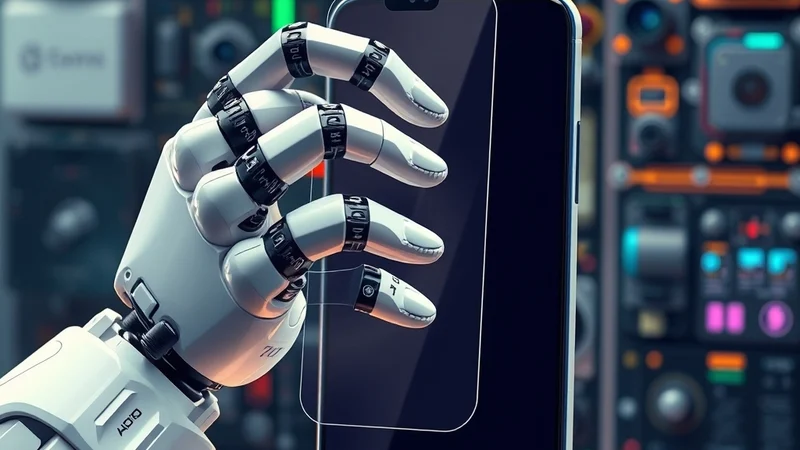
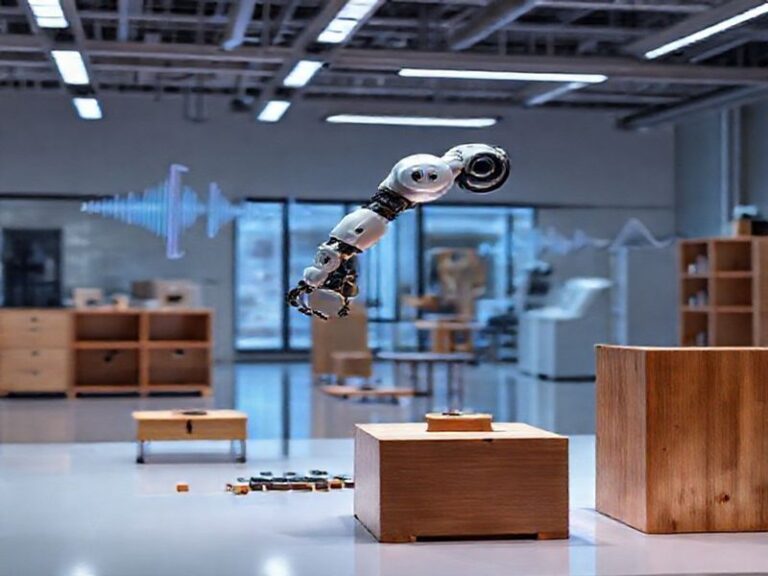
- Robotic Execution: Coordinated robotic arms manipulate modular components to build the specified furniture
The technology utilizes modular furniture components—standardized parts that can be combined in various configurations. This approach significantly simplifies the assembly process while maintaining flexibility in design possibilities.
Practical Applications and Benefits
The implications of voice-driven furniture assembly extend far beyond mere convenience. This technology addresses several pressing challenges in modern manufacturing and consumer experiences:
- Accessibility: Individuals with limited mobility or technical skills can create custom furniture through simple voice commands
- Rapid Prototyping: Designers and engineers can quickly iterate on physical prototypes without manual assembly
- Space Optimization: Users can efficiently create furniture that perfectly fits their specific spatial requirements
- Reduced Labor Costs: Automated assembly minimizes human labor requirements in furniture manufacturing
Industry Implications
The furniture industry stands on the cusp of transformation. Traditional manufacturing models, which rely on mass production and standardized designs, may give way to hyper-personalized, on-demand creation. This shift could fundamentally alter supply chains, retail experiences, and consumer expectations.
Manufacturing Revolution
Voice-to-object technology enables distributed manufacturing—the ability to produce goods at or near the point of consumption. This approach offers several advantages:
- Reduced transportation costs and carbon emissions
- Minimal inventory requirements
- Faster response to market demands
- Lower barriers to entry for custom furniture businesses
Retail Transformation
Imagine furniture stores where customers describe their ideal piece, watch it being built in minutes, and leave with a perfectly customized product. This scenario could become reality, potentially eliminating the need for large showrooms and extensive inventory.
Technical Challenges and Solutions
Despite its promise, the technology faces several technical hurdles. MIT researchers have addressed key challenges through innovative solutions:
Precision and Accuracy
Robotic systems must achieve millimeter-level precision when assembling furniture components. The MIT team implemented real-time feedback systems that continuously monitor and adjust robotic movements, ensuring accurate assembly even with minor variations in component positioning.
Natural Language Understanding
Human speech is inherently ambiguous and context-dependent. The system employs contextual AI models trained on vast datasets of furniture-related conversations, enabling it to interpret vague descriptions like “make me a sturdy table about this high” with reasonable accuracy.
Component Standardization
The success of modular assembly depends on well-designed, versatile components. Researchers developed a library of interconnecting parts that can create diverse furniture types while maintaining structural integrity and aesthetic appeal.
Future Possibilities
As voice-to-object technology matures, its applications could extend well beyond furniture assembly. The underlying principles of speech-driven robotics could revolutionize numerous industries:
Construction and Architecture
Future iterations might enable voice-controlled construction of entire buildings using modular components. Construction workers could direct robotic systems to assemble structures based on verbal blueprints, significantly reducing construction time and improving safety.
Space Exploration
Astronauts could use voice commands to build habitats and equipment on Mars or the Moon, where human manual dexterity is limited by space suits and environmental conditions.
Emergency Response
Disaster relief teams could quickly construct shelters, medical facilities, or infrastructure by describing needs to AI-powered robotic systems, accelerating response times in critical situations.
Economic and Social Impact
The widespread adoption of voice-to-object technology could create significant economic disruption while generating new opportunities:
- Job Transformation: Traditional manufacturing roles may evolve toward supervision, maintenance, and creative design
- New Business Models: Subscription-based furniture services could emerge, allowing customers to regularly reconfigure their living spaces
- Environmental Benefits: On-demand production reduces waste from unsold inventory and enables easier recycling of modular components
- Democratization of Design: Individuals without technical training can bring their creative visions to life
Looking Ahead
MIT’s voice-to-object system represents more than a technological curiosity—it embodies a fundamental shift in how humans interact with the physical world. As AI continues to advance, the boundary between digital intention and physical reality will blur further, enabling unprecedented creative expression and practical applications.
The technology’s current focus on furniture assembly serves as a proof of concept for a much broader vision: a future where human speech directly shapes our material environment. As researchers refine these systems and overcome current limitations, we move closer to a world where the gap between imagination and physical creation disappears entirely.
For tech enthusiasts and professionals, this development signals exciting opportunities to participate in shaping the future of human-machine interaction. Whether through developing new applications, improving underlying algorithms, or exploring novel use cases, the voice-to-object revolution invites us all to reimagine what’s possible when AI becomes the bridge between our words and our world.