From Browser Chaos to AI Brilliance: How Google’s Disco GenTabs Transforms Tab Overload into Intelligent Micro-Apps
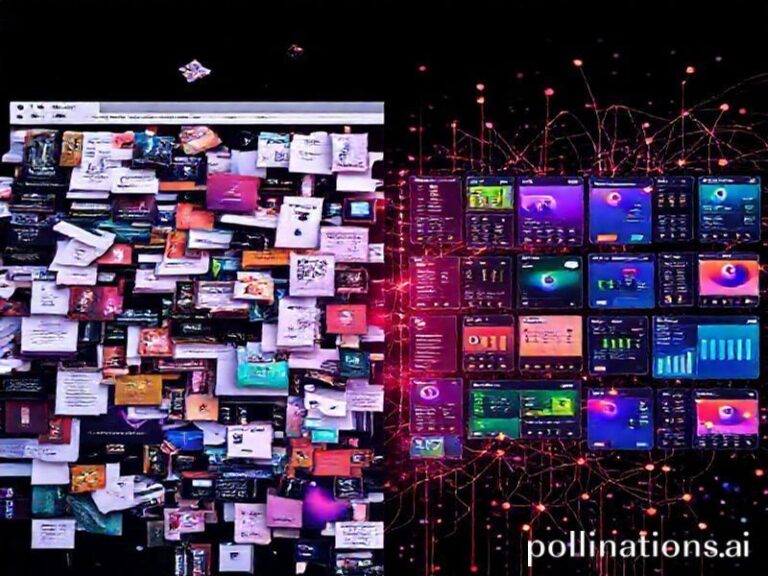
We’ve all been there: 47 tabs open across three browser windows, each representing a half-finished project, abandoned shopping cart, or forgotten research rabbit hole. What if artificial intelligence could automatically transform this digital chaos into organized, purposeful micro-applications? Google’s experimental Disco team has unveiled GenTabs, an AI-powered innovation that promises to do exactly that—turning browser clutter into intelligent, task-specific dashboards.
The Tab Problem Nobody Solved—Until Now
Browser tabs have remained fundamentally unchanged since their introduction in the late 1990s. While our digital workflows have evolved dramatically, tabs are still just passive containers for web pages. Research indicates that knowledge workers typically maintain 20-40 open tabs simultaneously, leading to what psychologists term “digital hoarding” behavior.
Google Labs’ Disco team recognized this persistent pain point and asked a revolutionary question: What if AI could understand the context and relationships between your tabs, then automatically reorganize them into functional applications? The result is GenTabs, a prototype that leverages advanced machine learning models to transform tab chaos into productivity.
How GenTabs Works: AI Meets User Intent
GenTabs employs a sophisticated multi-modal AI system that analyzes multiple data points from your browsing patterns:
- Content analysis: Natural language processing examines the text, images, and metadata of each tab to understand their purpose and relationships
- Behavioral patterns: Machine learning algorithms track how you interact with tabs—time spent, click patterns, and navigation sequences
- Contextual clustering: The AI identifies logical groupings based on topics, projects, or temporal relevance
- Template matching: Pre-trained models recognize common use cases like trip planning, research projects, or shopping comparisons
Once the AI understands your tab ecosystem, it automatically generates specialized micro-applications with purpose-built interfaces and functionality.
Real-World Transformations: From Tabs to Tools
The Vacation Planner That Builds Itself
Imagine researching a trip to Tokyo across multiple tabs—flight comparison sites, hotel booking platforms, restaurant reviews, and attraction guides. Traditional bookmarking requires manual organization and constant switching between sites. GenTabs automatically detects travel-related patterns and creates an integrated trip planning dashboard.
The resulting micro-app features:
- Consolidated itinerary timeline with drag-and-drop scheduling
- Real-time price tracking across all travel bookings
- Interactive map overlay with saved locations and transportation options
- Budget calculator with automatic currency conversion
- Weather integration and packing suggestions based on forecast data
The Smart Meal Prep Revolution
For home cooks juggling recipe tabs, nutrition information, and grocery delivery sites, GenTabs creates an intelligent meal preparation hub. The AI recognizes recipe ingredients, nutritional data, and cooking instructions, then builds a comprehensive meal planning application.
This culinary micro-app includes:
- Weekly meal calendar with drag-and-drop recipe assignment
- Automated grocery list generation with price comparison across local stores
- Nutrition tracking dashboard for health goals monitoring
- Prep-time optimization suggestions based on recipe complexity
- Leftover management system to minimize food waste
Research Hub: Academic Productivity Reimagined
Students and researchers often work with dozens of academic papers, reference materials, and citation tools simultaneously. GenTabs transforms this scattered approach into a unified research workstation that rivals dedicated academic software.
The research micro-app provides:
- AI-powered literature review summaries with key insights extraction
- Citation management with automatic bibliography generation in multiple formats
- Note-taking system with semantic linking between sources
- Collaborative workspace for sharing findings with research teams
- Progress tracking and deadline management tools
Industry Implications: Beyond Browser Innovation
The Democratization of App Development
GenTabs represents a fundamental shift in how we think about software creation. By automatically generating functional applications from existing web content, Google is essentially democratizing app development. Users don’t need coding skills to create specialized tools—they simply need to browse naturally and let AI handle the technical heavy lifting.
This approach could disrupt several industries:
- Productivity software: Traditional project management and organization tools may become obsolete as AI creates custom solutions on-demand
- Travel technology:
- Educational technology: Learning management systems could be supplemented by AI-curated study environments
- E-commerce: Shopping comparison and deal-finding might become integrated experiences rather than separate services
Comprehensive trip planning platforms face competition from AI-generated alternatives
Privacy and Data Sovereignty Considerations
While GenTabs offers compelling functionality, it raises important questions about data privacy and user control. The AI requires deep access to browsing patterns, content consumption, and personal preferences to function effectively. Google must address concerns about:
- Data retention policies for AI training and model improvement
- User control over what information is processed and stored
- Transparency in AI decision-making for tab organization
- Opt-out mechanisms for users uncomfortable with AI analysis
Future Possibilities: The Evolution of AI-Powered Browsing
Cross-Platform Integration and Ecosystem Play
GenTabs currently operates within Chrome, but its potential extends far beyond browser boundaries. Future iterations could integrate with:
- Mobile operating systems to sync AI-generated micro-apps across devices
- Productivity suites like Google Workspace for seamless workflow integration
- Smart home devices to create context-aware automation systems
- Wearable technology for glanceable dashboard experiences
The Rise of Ephemeral Applications
Perhaps most intriguingly, GenTabs points toward a future where applications are temporary, contextual, and disposable. Rather than installing and managing dozens of specialized apps, users might generate AI-powered tools on-demand, use them for specific tasks, then let them dissolve when no longer needed.
This “ephemeral app economy” could revolutionize how we interact with technology:
- Reduced device storage requirements as apps exist only when needed
- Personalized interfaces that adapt to individual work styles
- Seamless handoff between devices and contexts
- Elimination of app fatigue and notification overload
Challenges and Roadblocks
Despite its promise, GenTabs faces significant challenges before widespread adoption:
- Accuracy and reliability: AI must consistently understand user intent and create useful organizations
- Performance impact: Real-time AI analysis could slow browser performance
- Developer ecosystem: Third-party integration and extensibility will determine long-term viability
- User adoption: Overcoming established browsing habits and tool preferences
The Browser Reimagined
Google Labs’ Disco GenTabs represents more than a clever browser feature—it’s a glimpse into an AI-mediated digital future where technology anticipates our needs and automatically creates solutions. By transforming passive tab collections into active, intelligent applications, Google is reimagining the fundamental relationship between users and their digital tools.
As we stand at the intersection of AI advancement and user experience design, GenTabs challenges us to reconsider what browsers could become. They’re no longer just windows to the web, but intelligent platforms that understand our goals and automatically build the tools we need to achieve them.
The success of GenTabs will ultimately depend on execution, privacy safeguards, and user trust. But one thing is certain: the days of chaotic tab management are numbered. In their place, AI-powered micro-apps promise a more organized, productive, and personalized digital experience—one that adapts to you rather than forcing you to adapt to it.