Will.i.am on AI’s Impact on the Job Market: Why White-Collar Roles May Be More at Risk Than Creative Ones
In a rapidly evolving technological landscape, the intersection of artificial intelligence (AI) and the job market has become a hot topic of discussion. Will.i.am, the renowned musician, producer, and tech entrepreneur, has shared his insights on how AI is reshaping the workforce. His perspective challenges conventional wisdom, suggesting that white-collar jobs may be more vulnerable to AI disruption than creative roles. This article delves into the implications of AI on the job market, practical insights from industry experts, and future possibilities.
The AI Revolution and Job Displacement
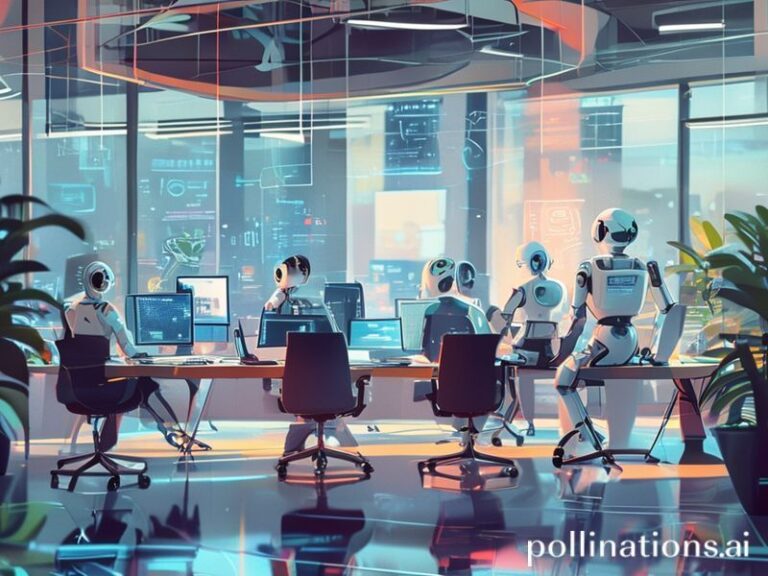
AI’s transformative potential is undeniable. From automating repetitive tasks to enhancing decision-making processes, AI technologies are revolutionizing industries. However, the widespread adoption of AI also raises concerns about job displacement. According to a McKinsey report, as much as 30% of the tasks in around 60% of occupations could be automated with today’s technology.
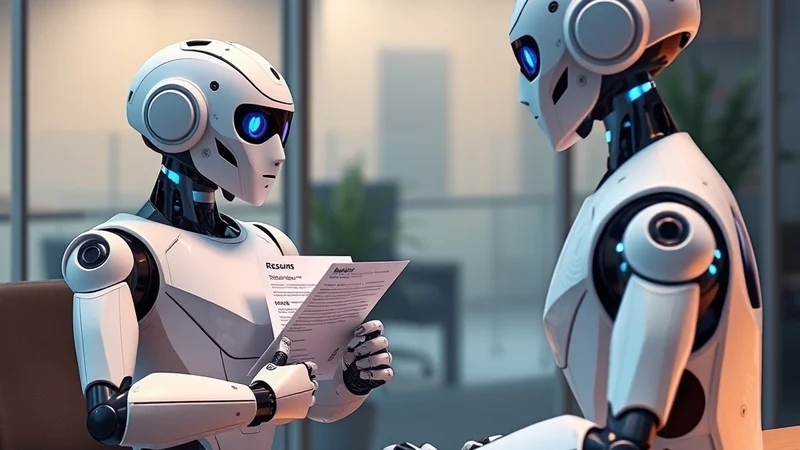
Will.i.am argues that white-collar jobs, which often involve repetitive and rule-based tasks, are particularly at risk. These roles include data entry clerks, paralegals, and even some aspects of financial analysis. In contrast, creative roles that require innovation, emotional intelligence, and complex problem-solving are less susceptible to automation.
Why White-Collar Jobs Are More Vulnerable
White-collar jobs are increasingly being targeted by AI due to their structured nature. Here are some key reasons why these roles are at higher risk:
- Repetitive Tasks: Many white-collar jobs involve routine tasks that can be easily automated. For example, AI can handle data entry, document review, and basic financial analysis more efficiently than humans.
- Rule-Based Processes: Jobs that follow a set of predefined rules are prime candidates for automation. AI excels at following these rules, reducing the need for human intervention.
- Data-Driven Decisions: AI can analyze vast amounts of data and provide insights that inform decision-making. This capability is particularly valuable in fields like finance, marketing, and operations.
Creative Roles: The Human Advantage
While AI is making strides in various domains, it still lacks the human touch required for creative roles. Will.i.am emphasizes that creativity, emotional intelligence, and the ability to think outside the box are uniquely human qualities that AI cannot replicate. Here are some reasons why creative roles are less at risk:
- Innovation and Originality: Creative professionals bring fresh ideas and originality to their work, which is difficult for AI to replicate. Whether it’s in art, music, or design, human creativity remains unparalleled.
- Emotional Intelligence: Understanding and responding to human emotions is a critical aspect of many creative roles. AI, while advanced, still struggles with empathy and emotional nuance.
- Complex Problem-Solving: Creative roles often involve solving complex problems that require a combination of intuition, experience, and creativity. AI’s algorithmic approach may not always yield the best solutions in such scenarios.
Practical Insights and Industry Implications
The shift towards AI-driven automation has significant implications for various industries. Here are some practical insights and industry-specific impacts:
Finance and Accounting
AI is already making inroads into the finance and accounting sectors. Automated systems can handle tasks such as invoice processing, expense management, and even tax preparation. This shift is leading to a reduction in the need for entry-level accounting staff, while also creating opportunities for professionals who can leverage AI tools to enhance their work.
Legal Services
The legal industry is also experiencing the impact of AI. Legal research, document review, and contract analysis are areas where AI can significantly reduce the workload. However, the human element remains crucial in areas such as client counseling, negotiation, and courtroom advocacy.
Marketing and Advertising
AI is transforming the marketing and advertising landscape by enabling personalized marketing campaigns, predictive analytics, and automated content creation. While AI can handle data-driven tasks, the creative aspects of marketing, such as developing compelling narratives and emotional connections, still require human input.
Future Possibilities and Adaptation Strategies
As AI continues to evolve, the job market will undergo significant changes. To stay ahead, professionals and industries must adapt to the new reality. Here are some strategies for navigating the AI-driven job market:
- Upskilling and Reskilling: Investing in continuous learning and acquiring new skills is crucial. Professionals should focus on developing skills that are less susceptible to automation, such as creativity, critical thinking, and emotional intelligence.
- Embracing AI Tools: Rather than viewing AI as a threat, professionals should see it as a tool to enhance their productivity and efficiency. Learning to work alongside AI can open up new opportunities and career paths.
- Fostering Innovation: Companies should encourage a culture of innovation and creativity. By fostering an environment that values human ingenuity, organizations can stay competitive in an AI-driven world.
- Ethical Considerations: As AI becomes more prevalent, ethical considerations will play a significant role. Professionals should be aware of the ethical implications of AI and work towards developing responsible and transparent AI systems.
Conclusion
Will.i.am’s insights highlight the nuanced impact of AI on the job market. While white-collar roles are at higher risk of automation, creative roles that require human ingenuity and emotional intelligence are less susceptible. The future of work will be shaped by the interplay between AI and human capabilities. By embracing AI tools, fostering innovation, and focusing on continuous learning, professionals and industries can navigate the challenges and opportunities presented by AI.
The AI revolution is here, and the job market is evolving. Those who adapt and leverage the unique strengths of both humans and machines will thrive in the new era of work.