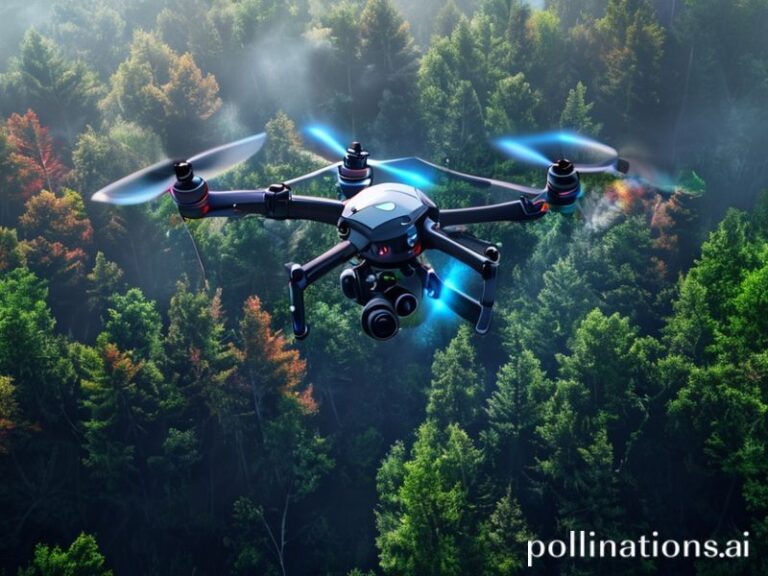
AI-Powered Search and Rescue: How Drone Footage and AI Analysis Solved a Missing Person Case
In the realm of search and rescue (SAR) operations, every second counts. Traditional methods, while effective, often fall short when time is of the essence. However, a recent case demonstrated the transformative power of artificial intelligence (AI) and drone technology in locating a missing person. This article delves into the innovative use of AI-powered search and rescue, the practical insights gained, industry implications, and future possibilities.
The Case: A Breakthrough in SAR
In a densely forested area, a hiker went missing, prompting a massive search and rescue operation. Traditional methods, including ground teams and helicopters, proved ineffective due to the terrain’s complexity and the vast area to cover. The turning point came when authorities deployed drones equipped with high-resolution cameras and AI analysis capabilities.
The drones, controlled by a team of operators, scanned the area systematically. The AI algorithms processed the footage in real-time, identifying patterns and anomalies that human eyes might miss. Within hours, the AI flagged a specific location where the missing person was found, safe but injured. This case highlighted the potential of AI-powered search and rescue operations.
How AI and Drones Work Together
The success of this operation can be attributed to the synergy between drones and AI. Here’s a breakdown of how these technologies work together:
- Data Collection: Drones equipped with high-resolution cameras and other sensors collect vast amounts of data from the search area. This data includes images, thermal data, and even sound recordings.
- Real-Time Processing: AI algorithms process this data in real-time, identifying potential signs of life or clues that could lead to the missing person. These algorithms are trained on vast datasets to recognize patterns and anomalies.
- Decision Making: The AI system prioritizes areas of interest based on the processed data, guiding the search and rescue teams to the most promising locations. This reduces the search area and increases the chances of a successful rescue.
Practical Insights and Industry Implications
The successful use of AI-powered search and rescue operations has several practical insights and industry implications:
Enhanced Efficiency
AI and drones significantly enhance the efficiency of search and rescue operations. Traditional methods often involve extensive ground teams and aerial searches, which can be time-consuming and resource-intensive. AI-powered drones can cover large areas quickly and accurately, reducing the time and resources required.
Improved Accuracy
AI algorithms are trained to recognize patterns and anomalies that human eyes might miss. This improves the accuracy of search and rescue operations, increasing the chances of locating missing persons quickly and safely.
Cost-Effectiveness
While the initial investment in AI and drone technology can be high, the long-term cost savings are substantial. AI-powered search and rescue operations reduce the need for extensive ground teams and aerial searches, lowering operational costs.
Future Possibilities
The future of AI-powered search and rescue operations is promising. Here are some potential advancements:
Advanced AI Algorithms
As AI algorithms continue to evolve, their ability to process and analyze data will improve. This could lead to even more accurate and efficient search and rescue operations.
Integration with Other Technologies
AI-powered search and rescue operations could be integrated with other technologies, such as satellite imagery and social media analysis. This would provide a more comprehensive view of the search area, further enhancing the chances of a successful rescue.
Autonomous Drones
Autonomous drones, equipped with AI algorithms, could operate independently, covering large areas without the need for human operators. This would further reduce the time and resources required for search and rescue operations.
Conclusion
The successful use of AI-powered search and rescue operations in locating a missing person highlights the transformative potential of these technologies. By enhancing efficiency, improving accuracy, and reducing costs, AI and drones are revolutionizing the way search and rescue operations are conducted. As these technologies continue to evolve, the future of search and rescue operations looks increasingly promising.
For tech enthusiasts and professionals, the integration of AI and drones in search and rescue operations offers a glimpse into the future of emergency response. The practical insights gained from this case study can be applied to various fields, from disaster management to wildlife conservation, showcasing the versatility and potential of AI-powered technologies.
As we continue to explore the possibilities of AI and drone technology, one thing is clear: the future of search and rescue operations is here, and it is powered by artificial intelligence.
Stay tuned for more updates on the latest advancements in AI and technology. The future is here, and it’s powered by innovation.