# AI-Powered Search and Rescue: How Drone Footage and AI Analysis Solved a Missing Person Case
## The Intersection of Technology and Humanitarian Efforts
In an era where technology is reshaping every industry, one of the most compelling applications of artificial intelligence (AI) and machine learning (ML) is in search and rescue operations. Traditional search and rescue efforts often rely on manual labor, which can be time-consuming and less effective, especially in vast or hazardous terrains. However, a recent case demonstrated the transformative power of AI-powered drones in locating a missing person, highlighting the potential of these technologies to save lives.
## The Case Study: A Missing Person Found in Record Time
In a recent incident, a hiker went missing in a dense forest area. Traditional search efforts involving ground teams and helicopters were initially deployed but proved ineffective due to the challenging terrain and limited visibility. The search team then turned to an innovative solution: AI-powered drones equipped with advanced cameras and machine learning algorithms.
### The Role of Drones in Search and Rescue
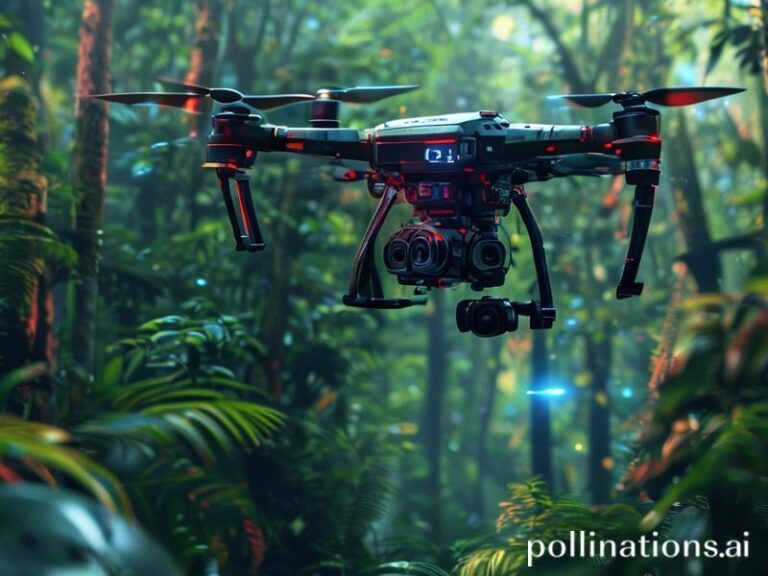
Drones have become invaluable tools in search and rescue operations due to their ability to cover large areas quickly and access difficult-to-reach locations. In this case, a fleet of drones was deployed to scan the forest from above, capturing high-resolution footage of the terrain.
### AI Analysis: The Game Changer
The real breakthrough came from the AI analysis of the drone footage. The AI system was trained to recognize patterns and anomalies that could indicate the presence of a person. It analyzed the footage in real-time, identifying potential clues such as footprints, disturbed vegetation, or even the hiker’s clothing.
#### Key Features of the AI System
- **Object Detection**: The AI was capable of detecting objects and patterns that might indicate the presence of a person, such as clothing, footprints, or personal belongings.
- **Real-Time Analysis**: The system processed the footage in real-time, allowing search teams to receive immediate updates and adjust their strategies accordingly.
- **Machine Learning Algorithms**: The AI system used advanced machine learning algorithms to improve its accuracy over time, learning from each search operation to enhance future efforts.
## Practical Insights: How AI and Drones Work Together
The success of this operation underscores the synergy between AI and drone technology. Here’s a closer look at how these technologies work together to enhance search and rescue efforts:
### Data Collection and Processing
- **High-Resolution Imagery**: Drones equipped with high-resolution cameras capture detailed images of the search area.
- **Thermal Imaging**: Some drones are equipped with thermal imaging cameras, which can detect body heat even in low-visibility conditions.
- **Real-Time Data Transmission**: The footage is transmitted in real-time to a central command center, where AI systems analyze the data.
### AI Analysis and Decision Making
- **Pattern Recognition**: AI algorithms analyze the footage for patterns and anomalies that could indicate the presence of a missing person.
- **Predictive Analytics**: The AI can predict the likely location of the missing person based on historical data and environmental factors.
- **Automated Alerts**: The system can send automated alerts to search teams, highlighting areas of interest for further investigation.
## Industry Implications: The Future of Search and Rescue
The success of AI-powered search and rescue operations has significant implications for the industry. Here are some key takeaways:
### Enhanced Efficiency and Accuracy
- **Faster Response Times**: AI and drones can significantly reduce the time it takes to locate a missing person, increasing the chances of a successful rescue.
- **Improved Accuracy**: AI systems can analyze vast amounts of data with high accuracy, reducing the likelihood of human error.
### Cost-Effective Solutions
- **Reduced Manpower**: AI and drones can reduce the need for large search teams, lowering the cost of search and rescue operations.
- **Resource Optimization**: The technology allows for more efficient use of resources, ensuring that search efforts are focused on the most promising areas.
### Scalability and Adaptability
- **Versatile Applications**: The technology can be adapted for various search and rescue scenarios, including natural disasters, urban search and rescue, and maritime operations.
- **Global Reach**: AI-powered drones can be deployed in remote and inaccessible areas, making them a valuable tool for global search and rescue efforts.
## Future Possibilities: Expanding the Horizons
The potential of AI and drone technology in search and rescue operations is vast. Here are some exciting possibilities for the future:
### Integration with Other Technologies
- **Satellite Imagery**: Combining drone footage with satellite imagery can provide a more comprehensive view of the search area.
- **IoT Devices**: Integrating AI with Internet of Things (IoT) devices can enhance data collection and analysis, providing real-time updates on environmental conditions and potential hazards.
### Advanced AI Algorithms
- **Deep Learning**: Advanced deep learning algorithms can improve the accuracy of AI systems, enabling them to detect even subtle patterns and anomalies.
- **Natural Language Processing (NLP)**: NLP can be used to analyze social media and other digital platforms for clues about the missing person’s whereabouts.
### Autonomous Drones
- **Self-Navigating Drones**: Autonomous drones equipped with AI can navigate complex terrains without human intervention, increasing their effectiveness in search and rescue operations.
- **Swarm Technology**: Groups of drones working together can cover larger areas more efficiently, enhancing the overall search effort.
## Conclusion: A New Era in Search and Rescue
The successful use of AI-powered drones in locating a missing person marks a significant milestone in the evolution of search and rescue operations. By leveraging the power of AI and drone technology, search teams can enhance their efficiency, accuracy, and effectiveness, ultimately saving more lives. As these technologies continue to evolve, the future of search and rescue looks brighter than ever, offering new hope for those in need.