# AI in Healthcare: Claude’s New Medical Integrations
## Transforming Patient Care with AI
The intersection of artificial intelligence and healthcare is rapidly evolving, with innovative solutions like Claude’s new medical integrations leading the charge. These cutting-edge tools are revolutionizing how medical professionals summarize patient histories and explain test results, ultimately enhancing patient care and outcomes.
### The Power of AI in Medical Summarization
One of the most significant challenges in healthcare is managing and interpreting vast amounts of patient data. Claude’s AI-driven medical integrations excel in this area, offering powerful summarization capabilities that can distill complex medical histories into concise, actionable insights.
For instance, imagine a scenario where a patient has a lengthy medical history spanning multiple specialists and hospitals. Traditionally, a new healthcare provider would need to spend hours reviewing these records to understand the patient’s condition fully. With Claude’s AI integrations, this process can be streamlined.
Here’s how it works:
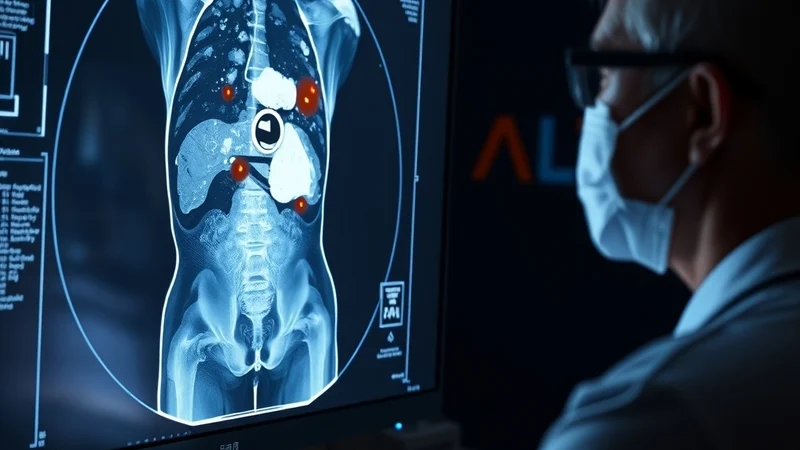
- Data Aggregation: The AI system aggregates data from various sources, including electronic health records (EHRs), lab results, and imaging reports.
- Natural Language Processing (NLP): Advanced NLP algorithms analyze the text to identify key information, such as diagnoses, treatments, and medications.
- Contextual Understanding: The AI understands the context of the medical data, recognizing patterns and relationships that might not be immediately apparent to a human reader.
- Summarization: The system generates a concise summary that highlights the most critical information, making it easier for healthcare providers to quickly grasp the patient’s medical history.
### Enhancing Patient Understanding of Test Results
Another critical application of Claude’s medical integrations is explaining test results to patients. Clear communication is essential for patient understanding and adherence to treatment plans, but medical jargon can often be confusing.
Claude’s AI tools can bridge this gap by translating complex medical terminology into plain language that patients can easily understand. Here’s how:
- Interpretation: The AI interprets the test results, identifying key findings and their implications.
- Simplification: Using advanced NLP and machine learning algorithms, the system simplifies the information, removing technical jargon and presenting it in a clear, concise manner.
- Personalization: The AI tailors the explanation to the patient’s specific situation, taking into account their medical history and current condition.
- Presentation: The system presents the information in an easy-to-digest format, such as a bullet-point summary or a simple infographic.
### Practical Insights and Industry Implications
The integration of AI tools like Claude’s into healthcare settings offers numerous practical benefits and has significant industry implications.
Improved Efficiency: By automating the summarization of medical histories and explanation of test results, healthcare providers can save valuable time. This allows them to focus more on patient care and less on administrative tasks.
Enhanced Accuracy: AI systems can process and analyze vast amounts of data with a high degree of accuracy, reducing the risk of human error. This can lead to more accurate diagnoses and better treatment outcomes.
Better Patient Engagement: Clear, concise explanations of medical information can improve patient understanding and engagement. This can lead to better adherence to treatment plans and improved health outcomes.
Cost Savings: By streamlining workflows and reducing the need for manual data processing, AI integrations can help healthcare organizations save money. Additionally, better patient outcomes can lead to lower healthcare costs in the long run.
### Future Possibilities
The potential applications of AI in healthcare are vast and continue to expand. As technology advances, we can expect to see even more innovative solutions that transform patient care.
Predictive Analytics: AI systems can analyze patient data to predict potential health issues before they become serious. This can enable early intervention and preventive care, improving patient outcomes.
Personalized Medicine: AI can help tailor treatments to individual patients based on their genetic makeup, lifestyle, and medical history. This personalized approach can lead to more effective treatments with fewer side effects.
Virtual Health Assistants: AI-powered virtual assistants can provide patients with 24/7 access to medical information and support. These assistants can answer questions, provide reminders, and even monitor symptoms, offering a new level of convenience and care.
Integration with Wearable Devices: AI systems can integrate with wearable devices to monitor patients’ health in real-time. This can provide valuable data for both patients and healthcare providers, enabling more proactive and personalized care.
### Conclusion
Claude’s new medical integrations represent a significant step forward in the application of AI in healthcare. By summarizing medical histories and explaining test results in a clear, concise manner, these tools enhance patient care and improve outcomes. As AI technology continues to evolve, we can expect to see even more innovative solutions that transform the healthcare landscape, making it more efficient, accurate, and patient-centered.