# Robot Hands That Don’t Need Arms: The Development of Detachable Robot Hands
The Evolution of Robot Hands
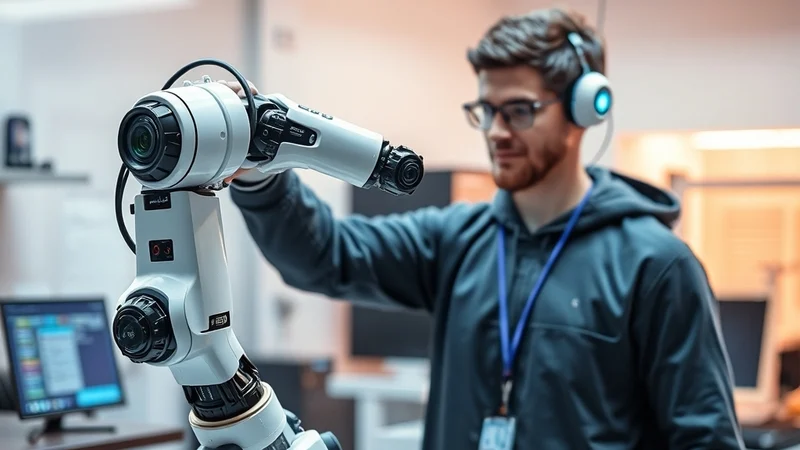
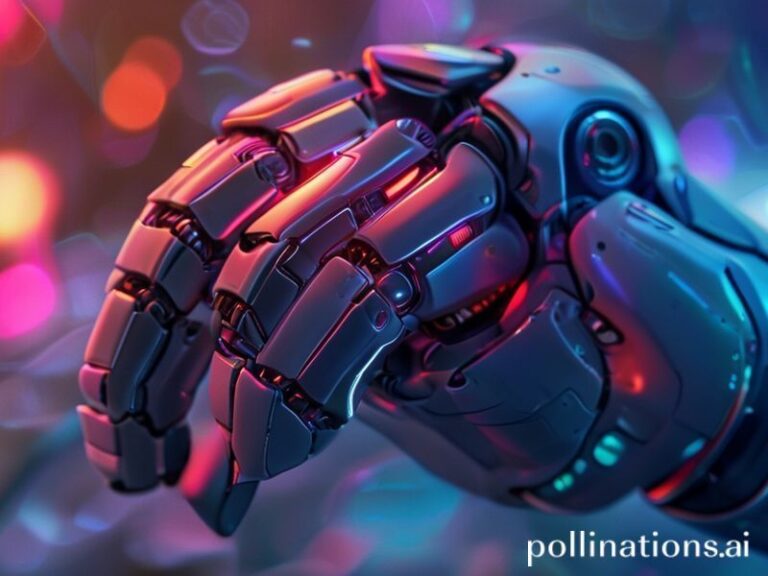
In the realm of robotics, one of the most significant advancements in recent years has been the development of detachable robot hands. These innovative devices, which can crawl and grip objects independently, are revolutionizing the way we think about robotics and automation. Unlike traditional robotic arms, which are tethered to a fixed base, these autonomous hands can operate independently, opening up a world of possibilities for various industries.
The Technology Behind Detachable Robot Hands
The development of detachable robot hands involves a combination of advanced technologies, including artificial intelligence, machine learning, and sophisticated sensor systems. These hands are equipped with sensors that allow them to perceive their environment, enabling them to navigate and interact with objects autonomously. The integration of AI and machine learning algorithms allows these hands to learn from their experiences, improving their performance over time.
One of the key features of detachable robot hands is their ability to grip and manipulate objects with precision. This is achieved through the use of advanced gripper technologies, which can adapt to the shape and size of the objects they encounter. The hands are also designed to be lightweight and agile, allowing them to move quickly and efficiently in various environments.
Practical Applications and Industry Implications
The potential applications of detachable robot hands are vast and varied. In the manufacturing industry, these hands can be used to automate assembly lines, improving efficiency and reducing the need for human labor. They can also be deployed in hazardous environments, such as nuclear power plants or chemical facilities, where human workers would be at risk.
- Healthcare: In the healthcare sector, detachable robot hands can assist in surgical procedures, providing surgeons with greater precision and control. They can also be used to handle delicate medical instruments and supplies, reducing the risk of contamination.
- Logistics and Warehousing: In logistics and warehousing, these hands can automate the sorting and packing of goods, streamlining operations and reducing costs. They can also be used to inspect and maintain equipment, ensuring that everything runs smoothly.
- Search and Rescue: In search and rescue operations, detachable robot hands can be deployed to navigate through rubble and debris, locating survivors and providing assistance. Their ability to operate independently makes them ideal for these high-stakes situations.
Future Possibilities and Innovations
The future of detachable robot hands is bright, with ongoing research and development paving the way for even more advanced capabilities. One area of focus is the integration of haptic feedback systems, which would allow these hands to provide tactile feedback to their operators, enhancing their ability to perform complex tasks.
Another area of innovation is the development of self-repairing materials, which would enable these hands to repair themselves in the event of damage. This would significantly extend their lifespan and reduce the need for maintenance. Additionally, advancements in energy storage and battery technology are expected to improve the autonomy and endurance of these hands, allowing them to operate for longer periods without recharging.
Challenges and Considerations
Despite the numerous benefits of detachable robot hands, there are also challenges and considerations that need to be addressed. One of the main challenges is ensuring the safety and reliability of these devices, particularly in environments where they interact with humans. This requires robust safety protocols and fail-safe mechanisms to prevent accidents and injuries.
Another consideration is the ethical implications of deploying autonomous robots in various industries. As these hands become more capable and autonomous, questions arise about their impact on employment and the potential for misuse. It is essential to address these concerns through responsible development and deployment practices, ensuring that the benefits of this technology are realized without compromising ethical standards.
Conclusion
The development of detachable robot hands represents a significant leap forward in the field of robotics. These innovative devices, powered by AI and machine learning, have the potential to revolutionize various industries, from manufacturing and healthcare to logistics and search and rescue. As research and development continue, we can expect even more advanced capabilities and applications to emerge, further enhancing the versatility and utility of these remarkable devices.
As we look to the future, it is essential to address the challenges and considerations associated with this technology, ensuring that it is developed and deployed responsibly. By doing so, we can harness the full potential of detachable robot hands, paving the way for a future where robots and humans work together to achieve greater efficiency, safety, and innovation.