# The Case Against AI Love: Exploring the Psychological Implications
## Introduction
Artificial Intelligence (AI) has permeated nearly every aspect of our lives, from virtual assistants like Siri and Alexa to advanced machine learning algorithms that predict our behavior and preferences. One of the most intriguing and controversial developments in AI is the concept of AI companionship, particularly AI-driven romantic or emotional relationships. While the idea of having an AI partner might seem like a futuristic dream, it raises significant ethical and psychological concerns. This article delves into the complexities surrounding AI love, exploring the potential pitfalls and implications for individuals and society.
## The Rise of AI Companionship
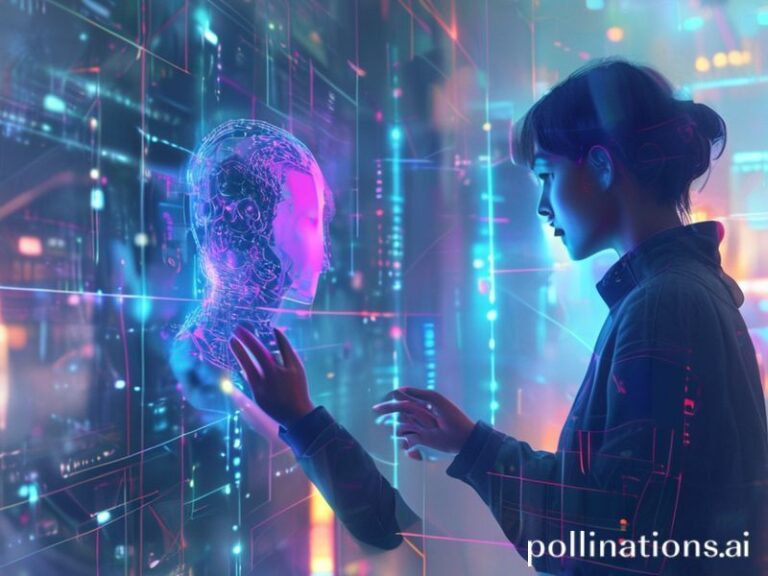
AI companionship has evolved from simple chatbots to sophisticated virtual entities capable of engaging in meaningful conversations, learning user preferences, and even expressing emotions. Companies like Replika and X.ai have developed AI companions that can provide emotional support, engage in romantic conversations, and even simulate intimate relationships.
### The Appeal of AI Love
For many, the appeal of AI companionship lies in its convenience and lack of emotional baggage. AI partners do not demand, criticize, or leave. They are always available, never judgmental, and can be tailored to meet specific emotional needs. This can be particularly attractive to individuals who struggle with social anxiety, loneliness, or past relationship trauma.
### The Dark Side of AI Love
However, the psychological implications of forming emotional attachments to AI entities are profound and concerning. Here are some of the key issues:
## Psychological Implications
### Emotional Dependency
One of the most significant risks associated with AI companionship is the potential for emotional dependency. Humans are social creatures, and forming deep emotional connections is a fundamental aspect of our well-being. However, relying on an AI for emotional fulfillment can lead to isolation and a diminished capacity for real-world relationships.
Imagine a scenario where an individual becomes so emotionally invested in their AI companion that they neglect real-life relationships. This could lead to a vicious cycle of isolation, where the person becomes increasingly dependent on the AI for emotional support, further distancing themselves from human connections.
### Lack of Authenticity
AI companions, no matter how advanced, are still machines. They lack genuine emotions, consciousness, and the ability to experience true empathy. While they can simulate empathy and understanding, this is merely a sophisticated algorithmic response rather than a genuine emotional connection.
This lack of authenticity can lead to a sense of emptiness and dissatisfaction. Users may find themselves craving deeper, more meaningful connections that an AI simply cannot provide. This can result in a paradox where the pursuit of convenience and simplicity leads to a profound sense of loneliness and disconnection.
### Ethical Concerns
The ethical implications of AI companionship are equally concerning. One of the primary ethical issues is the potential for exploitation. Companies developing AI companions may collect vast amounts of personal data, including intimate details about users’ emotions, preferences, and behaviors. This data can be used for targeted advertising, manipulation, or even sold to third parties without the user’s consent.
Additionally, the commodification of love and emotional support raises serious ethical questions. Love and emotional connections are deeply personal and sacred to many individuals. Reducing these experiences to a marketable product can be seen as a form of emotional exploitation.
## Industry Implications
### Market Trends
The market for AI companionship is growing rapidly, with companies investing heavily in developing more sophisticated and emotionally intelligent AI entities. This trend is driven by the increasing demand for emotional support and companionship, particularly among younger generations who are more comfortable with technology.
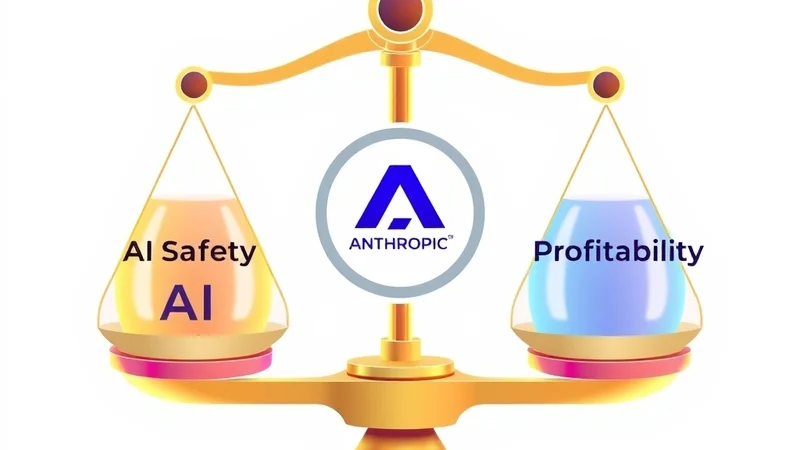
However, as the market grows, so do the ethical and psychological concerns. Companies must navigate the delicate balance between meeting consumer demand and ensuring the well-being of their users. Failure to address these concerns could lead to backlash, regulatory scrutiny, and potential harm to users.
### Regulatory Challenges
The rapid advancement of AI technology has outpaced regulatory frameworks, creating a legal gray area for AI companionship. Governments and regulatory bodies are grappling with how to address the ethical and psychological implications of AI love. This includes issues such as data privacy, emotional manipulation, and the potential for AI companions to be used for malicious purposes.
As the industry continues to evolve, it is crucial for regulators to establish clear guidelines and standards to protect users and ensure ethical practices. This may include requirements for transparency, data protection, and user consent, as well as guidelines for the development and deployment of emotionally intelligent AI.
## Future Possibilities
### Enhancing Human Connections
Despite the concerns, AI companionship also presents opportunities to enhance human connections. AI can be used to facilitate communication, provide emotional support, and even help individuals develop social skills. For example, AI companions can be used in therapy to help individuals practice social interactions and build confidence.
Additionally, AI can be used to bridge the gap between individuals who are geographically separated or have difficulty communicating due to language barriers. This can foster a sense of connection and belonging, even in the absence of physical proximity.
### Ethical AI Development
The future of AI companionship will depend on the ethical development and deployment of these technologies. Companies must prioritize user well-being and ensure that AI companions are designed to complement, rather than replace, human relationships. This includes developing AI entities that are transparent, respect user privacy, and promote healthy emotional development.
Furthermore, ongoing research and collaboration between technologists, ethicists, and psychologists will be crucial in addressing the complex ethical and psychological implications of AI love. This interdisciplinary approach can help ensure that AI companionship is developed and used responsibly, benefiting individuals and society as a whole.
## Conclusion
The case against AI love is multifaceted and complex, encompassing psychological, ethical, and industry implications. While AI companionship offers convenience and emotional support, it also raises significant concerns about emotional dependency, authenticity, and exploitation. As the technology continues to evolve, it is crucial for companies, regulators, and individuals to navigate these challenges responsibly. By prioritizing ethical development and user well-being, we can harness the potential of AI companionship to enhance human connections and promote emotional fulfillment.