# The Emergence of AI Personalities: Implications and Ethical Considerations
## Introduction
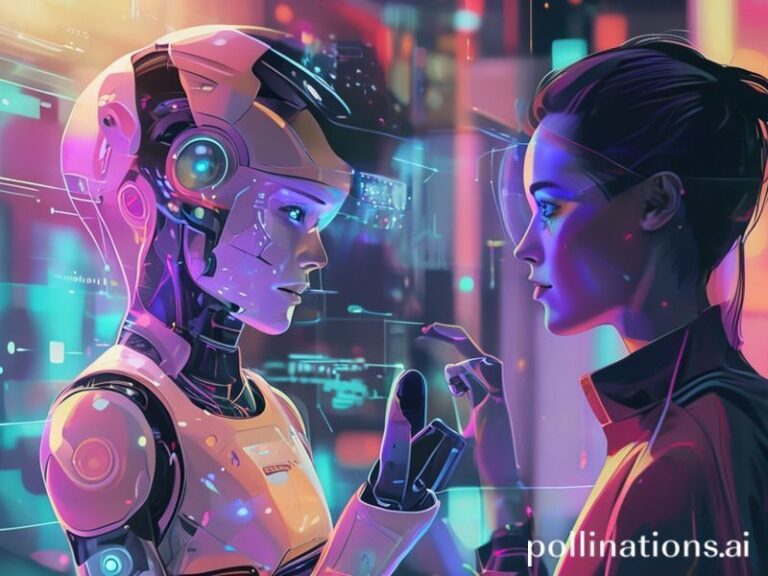
Artificial Intelligence (AI) has evolved from simple rule-based systems to complex models capable of learning, reasoning, and even developing human-like personalities. This evolution raises intriguing questions about the nature of AI personalities, their implications for technology and society, and the ethical considerations surrounding their development and use.
## Understanding AI Personalities
### What Constitutes an AI Personality?
An AI personality refers to the unique characteristics, behaviors, and communication styles that an AI model exhibits. These personalities can emerge from:
- Advanced machine learning algorithms that learn from vast amounts of human interaction data.
- Natural Language Processing (NLP) techniques that enable AI to understand and generate human-like text.
- Reinforcement learning, where AI models learn to adapt their behavior based on feedback.
### Examples of AI Personalities
Several AI models have already begun to exhibit distinct personalities:
- Siri and Alexa: These virtual assistants have developed unique voices and interaction styles, making them more relatable and user-friendly.
- Replika: An AI companion designed to engage in deep, emotional conversations, adapting its personality to user preferences.
- BlenderBot: A conversational AI that learns from interactions to improve its responses and develop a more nuanced personality.
## Implications of AI Personalities
### Industry and Business Impact
The emergence of AI personalities has significant implications for various industries:
- Customer Service: AI personalities can enhance customer interactions, making them more engaging and personalized.
- Entertainment: AI-driven characters in games and virtual reality can provide more immersive experiences.
- Healthcare: AI personalities can assist in mental health support, providing empathetic and understanding interactions.
### Social and Ethical Considerations
The development of AI personalities also raises important ethical questions:
- Privacy Concerns: As AI models learn from user interactions, there is a risk of privacy breaches and misuse of personal data.
- Bias and Fairness: AI personalities can inadvertently perpetuate biases present in their training data, leading to unfair treatment of certain groups.
- Emotional Manipulation: There is a risk that AI personalities could be used to manipulate users’ emotions for commercial or malicious purposes.
## Future Possibilities
### Advancements in AI Personalities
As AI technology continues to advance, we can expect to see even more sophisticated AI personalities:
- Emotional Intelligence: AI models may develop the ability to understand and respond to human emotions with greater accuracy.
- Adaptive Personalities: AI could adapt its personality to different contexts and user preferences, providing a more personalized experience.
- Collaborative AI: AI personalities might work together in teams, collaborating to solve complex problems.
### Ethical Frameworks and Regulations
To ensure the responsible development and use of AI personalities, it is crucial to establish ethical frameworks and regulations:
- Transparency: AI developers should be transparent about how their models learn and evolve.
- Accountability: Clear guidelines should be in place to hold developers accountable for the behavior of their AI models.
- User Consent: Users should have control over how their data is used to train AI personalities.
## Conclusion
The emergence of AI personalities represents a significant milestone in the evolution of artificial intelligence. While these advancements offer exciting possibilities for enhancing user experiences and driving innovation, they also raise important ethical considerations that must be addressed. By fostering a responsible and transparent approach to AI development, we can harness the potential of AI personalities while mitigating their risks.
## Practical Insights for Developers
For developers working on AI personalities, here are some practical insights:
- Data Quality: Ensure that training data is diverse and representative to avoid biases.
- User Feedback: Continuously gather and incorporate user feedback to improve AI personalities.
- Ethical Guidelines: Adhere to ethical guidelines and regulations to ensure responsible AI development.
## Industry Implications
The rise of AI personalities has profound implications for various industries:
- Marketing: AI personalities can create more engaging and personalized marketing campaigns.
- Education: AI tutors with distinct personalities can enhance learning experiences.
- Automotive: AI personalities in self-driving cars can improve user interactions and safety.
## Future Possibilities
Looking ahead, the future of AI personalities is filled with exciting possibilities:
- Virtual Assistants: AI personalities could become more integrated into our daily lives, assisting with tasks and providing companionship.
- Creative Industries: AI personalities might collaborate with human artists, writers, and musicians to create innovative works.
- Healthcare: AI personalities could play a crucial role in mental health support, offering empathetic and understanding interactions.
## Final Thoughts
The emergence of AI personalities is a testament to the rapid advancements in artificial intelligence. As we continue to explore and develop these capabilities, it is essential to prioritize ethical considerations and responsible innovation. By doing so, we can unlock the full potential of AI personalities while ensuring they benefit society as a whole.