# DeepMind’s Breakthrough in Decoding the ‘Dark Genome’: Understanding the Implications of Reading the Non-Protein-Coding DNA
## Introduction
In the realm of artificial intelligence and biotechnology, DeepMind has once again made a groundbreaking discovery that could revolutionize our understanding of genetics. The company’s latest achievement involves decoding the “dark genome,” the non-protein-coding regions of DNA that have long been considered “junk” DNA. This breakthrough holds immense potential for medical research, personalized medicine, and our overall comprehension of human biology.
## The Dark Genome: A Brief Overview
### What is the Dark Genome?
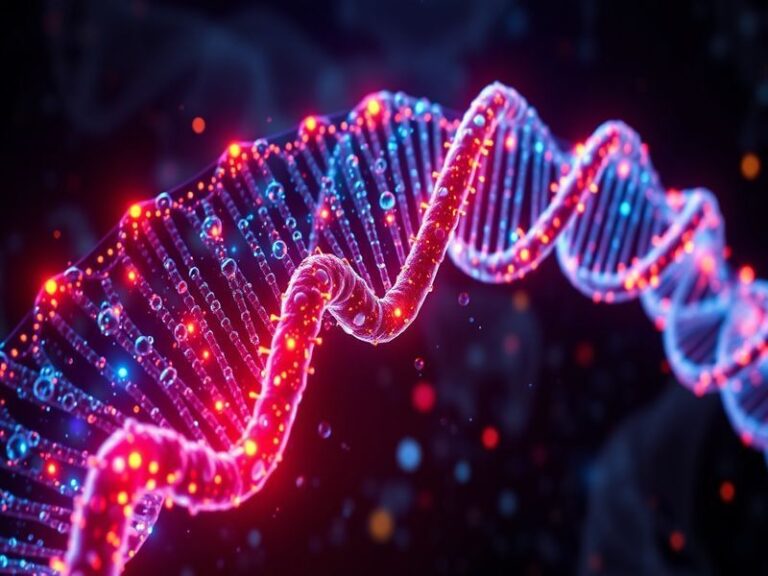
The human genome consists of approximately 3 billion base pairs, but only about 1-2% of this DNA encodes proteins. The remaining 98-99% was once dismissed as “junk DNA” because its function was unknown. However, recent research has shown that this non-protein-coding DNA plays a crucial role in regulating gene expression and other biological processes. This vast, unexplored territory is what scientists refer to as the “dark genome.”
### Why is it Called the Dark Genome?
The term “dark genome” is analogous to “dark matter” in astrophysics. Just as dark matter constitutes the majority of the universe’s mass but remains invisible and mysterious, the dark genome makes up most of our DNA but has been largely uncharted until now.
## DeepMind’s Breakthrough
### The Role of AI in Decoding the Dark Genome
DeepMind, a leading AI research company, has leveraged its expertise in machine learning to tackle the complex challenge of decoding the dark genome. By training advanced neural networks on vast amounts of genomic data, DeepMind’s researchers have developed models that can predict the functions of non-coding DNA sequences with unprecedented accuracy.
### Key Findings
DeepMind’s breakthrough has revealed several critical insights:
- **Regulatory Elements:** The dark genome contains numerous regulatory elements that control when and how genes are expressed. Understanding these elements can provide insights into disease mechanisms and potential therapeutic targets.
- **Epigenetic Modifications:** The dark genome is subject to epigenetic modifications, which can alter gene expression without changing the underlying DNA sequence. These modifications play a crucial role in development, aging, and disease.
- **Non-Coding RNAs:** The dark genome produces a variety of non-coding RNAs that regulate gene expression, cellular processes, and even interact with proteins to form complex regulatory networks.
## Practical Insights and Industry Implications
### Medical Research and Personalized Medicine
The decoding of the dark genome has profound implications for medical research and personalized medicine. By understanding the regulatory elements and non-coding RNAs within the dark genome, researchers can:
- **Identify Disease Mechanisms:** Uncovering the functions of non-coding DNA can help identify the underlying mechanisms of diseases such as cancer, neurological disorders, and autoimmune diseases.
- **Develop Targeted Therapies:** Insights into the dark genome can lead to the development of targeted therapies that modulate gene expression and correct dysfunctional regulatory elements.
- **Personalized Treatment Plans:** Understanding an individual’s dark genome can enable the creation of personalized treatment plans tailored to their unique genetic makeup.
### Biotechnology and Drug Discovery
The biotechnology industry stands to benefit significantly from DeepMind’s breakthrough. Companies involved in drug discovery and development can leverage this new knowledge to:
- **Identify Novel Drug Targets:** The dark genome contains a wealth of potential drug targets that were previously overlooked. Identifying these targets can lead to the development of innovative therapies.
- **Enhance Drug Efficacy:** Understanding the regulatory elements within the dark genome can help improve the efficacy of existing drugs by optimizing their interaction with these elements.
- **Accelerate Drug Development:** AI-driven insights into the dark genome can accelerate the drug discovery process by providing a more comprehensive understanding of genetic regulation and its impact on disease.
### Agricultural Applications
The implications of decoding the dark genome extend beyond human health. In agriculture, this breakthrough can:
- **Improve Crop Yields:** Understanding the regulatory elements within the dark genome of plants can help improve crop yields by optimizing gene expression for desirable traits.
- **Enhance Disease Resistance:** Insights into the dark genome can lead to the development of crops with enhanced disease resistance, reducing the need for pesticides and improving food security.
- **Develop Sustainable Farming Practices:** By understanding the genetic regulation of plants, researchers can develop more sustainable farming practices that minimize environmental impact.
## Future Possibilities
### Expanding the Frontiers of Genomics
DeepMind’s breakthrough is just the beginning of a new era in genomics. As AI continues to advance, we can expect:
- **More Comprehensive Genomic Maps:** AI-driven models will enable the creation of more comprehensive genomic maps that include both coding and non-coding regions of DNA.
- **Integration with Other Omics Data:** The integration of genomic data with other omics data, such as proteomics and metabolomics, will provide a more holistic understanding of biological systems.
- **Global Collaboration:** The sharing of genomic data and AI models across international research communities will accelerate the pace of discovery and innovation.
### Ethical Considerations
While the decoding of the dark genome holds immense promise, it also raises ethical considerations that must be addressed:
- **Privacy and Data Security:** The collection and analysis of genomic data must be conducted with strict privacy and data security measures to protect individuals’ genetic information.
- **Equitable Access:** Ensuring equitable access to the benefits of genomic research is crucial to prevent the exacerbation of health disparities.
- **Regulatory Frameworks:** The development of robust regulatory frameworks will be essential to guide the ethical use of AI in genomics and ensure the responsible application of new technologies.
## Conclusion
DeepMind’s breakthrough in decoding the dark genome represents a significant milestone in the field of genomics. By leveraging AI and machine learning, researchers have unlocked a vast, unexplored territory of our DNA, revealing insights that could revolutionize medical research, personalized medicine, and biotechnology. As we continue to explore the dark genome, the potential for innovation and discovery is limitless. However, it is crucial to address the ethical considerations and ensure that the benefits of this breakthrough are accessible to all.