# SpaceX and xAI: A Trillion-Dollar Vision for Space-Based AI
## The Intersection of Space and Artificial Intelligence
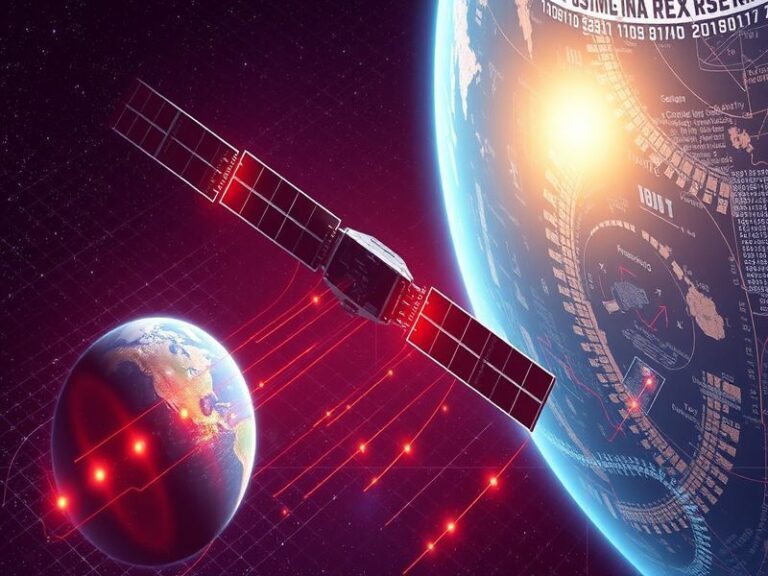
The convergence of space exploration and artificial intelligence is no longer a distant dream but an imminent reality. SpaceX, the aerospace pioneer, has set its sights on an ambitious vision: space-based data centers powered by advanced AI. With the acquisition of xAI, a cutting-edge AI company, SpaceX is poised to revolutionize both the space industry and the AI landscape.
## The Acquisition of xAI: A Strategic Move
SpaceX’s acquisition of xAI is a strategic move that underscores the company’s commitment to integrating AI into its space ventures. xAI, known for its advanced AI algorithms and machine learning capabilities, brings a wealth of expertise to the table. This acquisition is not just about acquiring technology; it’s about fostering a synergy between space exploration and AI innovation.
### Key Objectives of the Acquisition
- **Enhancing Space Missions**: AI can optimize spacecraft trajectories, predict maintenance needs, and improve communication systems.
- **Data Processing in Space**: Space-based data centers can process vast amounts of data generated by satellites and space missions, reducing latency and improving efficiency.
- **Autonomous Systems**: AI can enable autonomous operations for spacecraft, reducing the need for ground control and enhancing mission flexibility.
## Space-Based Data Centers: The Future of AI
The concept of space-based data centers is both revolutionary and pragmatic. By leveraging the unique environment of space, these data centers can offer several advantages over their Earth-based counterparts.
### Advantages of Space-Based Data Centers
- **Reduced Latency**: Data processed in space can be transmitted to Earth with minimal delay, crucial for real-time applications.
- **Energy Efficiency**: The vacuum of space provides an ideal environment for cooling, reducing energy consumption.
- **Enhanced Security**: Physical isolation in space can enhance data security, protecting against cyber threats.
## Industry Implications
The implications of SpaceX’s vision extend far beyond the aerospace industry. The integration of AI and space technology has the potential to transform various sectors, from telecommunications to climate monitoring.
### Impact on Telecommunications
- **Global Connectivity**: Space-based data centers can support global internet connectivity, bridging the digital divide.
- **Enhanced Bandwidth**: AI-driven optimization can maximize the use of available bandwidth, improving service quality.
### Climate Monitoring and Environmental Science
- **Real-Time Data Analysis**: AI can process satellite data in real-time, providing timely insights into climate change and environmental trends.
- **Predictive Analytics**: AI algorithms can predict natural disasters and environmental changes, enabling proactive measures.
## Future Possibilities
The future of space-based AI is filled with exciting possibilities. As technology advances, the potential applications of AI in space will continue to expand.
### Autonomous Space Exploration
- **Self-Learning Robots**: AI-powered robots can explore distant planets and asteroids, making autonomous decisions based on real-time data.
- **Adaptive Mission Planning**: AI can adapt mission plans in real-time, responding to unexpected challenges and opportunities.
### Interplanetary Data Centers
- **Mars and Beyond**: As humanity sets its sights on Mars and other celestial bodies, space-based data centers will play a crucial role in supporting these missions.
- **Interplanetary Communication**: AI can optimize communication between Earth and distant space missions, ensuring seamless data transfer.
## Practical Insights for Tech Enthusiasts and Professionals
For those interested in the intersection of AI and space, there are several practical insights to consider.
### Skills to Develop
- **Machine Learning**: Understanding machine learning algorithms is crucial for developing AI applications in space.
- **Space Systems Engineering**: Knowledge of space systems and satellite technology is essential for integrating AI into space missions.
- **Data Science**: Skills in data analysis and processing are vital for managing the vast amounts of data generated in space.
### Career Opportunities
- **AI Researchers**: There is a growing demand for AI researchers specializing in space applications.
- **Space Systems Engineers**: Professionals with expertise in space systems and AI integration are highly sought after.
- **Data Scientists**: Data scientists play a critical role in processing and analyzing space data.
## Conclusion
SpaceX’s acquisition of xAI and its vision for space-based data centers represent a significant leap forward in the integration of AI and space technology. This ambitious endeavor has the potential to revolutionize various industries, from telecommunications to environmental science. As we look to the future, the possibilities are endless, and the opportunities for innovation are boundless.