Oz: New Agent Orchestration from Warp
In the rapidly evolving world of artificial intelligence (AI), the need for effective management and orchestration of AI coding agents has never been more crucial. As organizations increasingly adopt AI technologies, the complexity of managing multiple AI agents becomes a significant challenge. Enter Oz, a revolutionary agent orchestration tool developed by Warp that facilitates running AI coding agents in isolated environments, enhancing management capabilities and improving operational efficiency.
Understanding Oz: The Orchestration Layer
Oz serves as an orchestration layer that allows developers and organizations to deploy, manage, and monitor AI coding agents seamlessly. By providing a framework for running these agents in isolated environments, Oz helps mitigate risks associated with performance and security while optimizing resource allocation. This orchestration approach not only simplifies the management of AI agents but also enhances their performance in a scalable manner.
Key Features of Oz
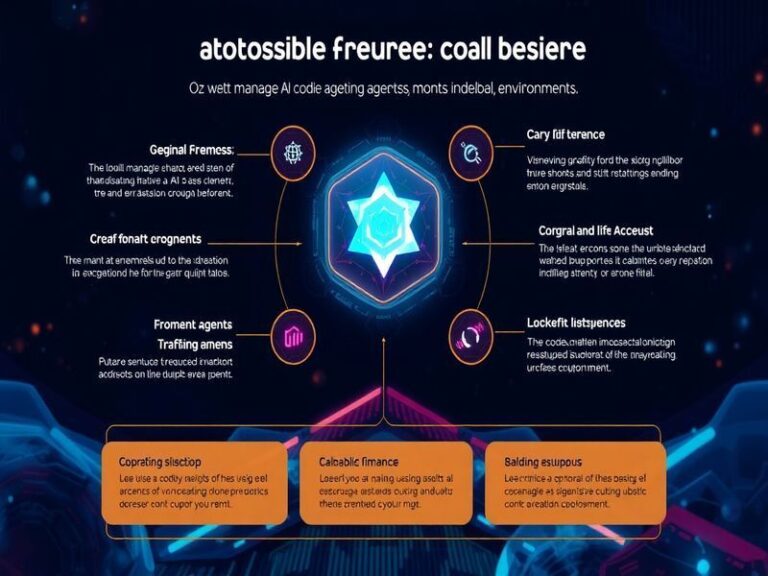
Oz is equipped with several innovative features designed to enhance the performance and management of AI coding agents:
- Isolation of Environments: Each AI agent operates in its own sandboxed environment, reducing the risk of interference and enhancing security.
- Dynamic Resource Allocation: Oz intelligently allocates resources based on demand, ensuring optimal performance during peak usage times.
- Real-time Monitoring: Users can monitor agent performance and health in real-time, allowing for timely interventions and adjustments.
- Easy Integration: Oz integrates seamlessly with existing AI frameworks and tools, making it a versatile choice for organizations.
- Scalability: The orchestration layer is designed to scale effortlessly, accommodating an increasing number of agents without compromising performance.
Practical Insights for Implementation
For organizations looking to implement Oz, several practical insights can enhance the deployment process:
- Assess Your Needs: Determine the specific requirements of your AI projects and evaluate how Oz can address them.
- Pilot Testing: Conduct pilot tests with a small number of agents to understand the orchestration capabilities and identify potential challenges.
- Training and Documentation: Ensure that your team is well-trained and has access to comprehensive documentation to maximize the benefits of Oz.
- Monitor and Adjust: Continuously monitor agent performance and make adjustments as needed to optimize operations.
Industry Implications of Oz
The introduction of Oz has significant implications for various industries that rely on AI technologies. Here are a few notable impacts:
- Increased Efficiency: By streamlining the management of AI agents, organizations can achieve higher efficiency and productivity levels.
- Enhanced Security: The isolation features of Oz help protect sensitive data and reduce vulnerabilities in AI deployments.
- Better Resource Management: Dynamic resource allocation allows organizations to optimize costs, particularly in cloud-based environments.
- Faster Innovation Cycles: With improved orchestration, organizations can experiment with new AI models and technologies more rapidly and effectively.
Future Possibilities with Oz
Looking ahead, the future of Oz and similar orchestration tools appears promising. As AI technologies continue to advance, we can expect several trends and developments:
- Integration with Edge Computing: As edge computing becomes more prevalent, Oz could expand its capabilities to manage AI agents on edge devices, making real-time decision-making even more efficient.
- Enhanced AI Collaboration: Future versions of Oz may facilitate collaboration between multiple AI agents, allowing them to work together on complex tasks and share insights.
- Greater Customization Options: Users may see more customizable features, enabling organizations to tailor the orchestration layer to their specific needs and workflows.
- Support for Multi-Agent Systems: Oz could evolve to manage not just individual agents but entire ecosystems of AI agents that collaborate on tasks.
Conclusion
Oz represents a significant advancement in the orchestration of AI coding agents. By providing a robust, isolated environment for managing these agents, Warp is paving the way for greater efficiency, security, and innovation in AI applications. As organizations embrace this technology, the potential for improved operational outcomes and faster innovation cycles is immense. The journey of Oz is just beginning, and its impact on the AI landscape will undoubtedly shape the future of how we utilize intelligent systems.