Voice Agents That Sound Human: ElevenLabs Introduces Expressive Mode
In recent years, the realm of conversational AI has witnessed significant advancements, particularly in the way machines interact with humans. One of the latest innovations in this field comes from ElevenLabs, which has unveiled its Expressive Mode. This groundbreaking feature enhances voice agents by enabling them to exhibit emotional depth and make real-time tone adjustments, creating a more natural and engaging interaction. This article explores the implications of this technology, its practical applications, and the future possibilities it presents.
The Evolution of Conversational AI
Conversational AI has evolved dramatically over the last decade. From basic scripted responses to sophisticated voice agents that can understand context and nuance, the technology has come a long way. However, one of the persistent challenges has been the lack of emotional intelligence in these interactions.
- Text-to-Speech (TTS) Limitations: Traditional TTS systems often sound robotic, lacking the emotional nuance required for effective communication.
- Contextual Understanding: Early voice agents struggled to interpret the emotional state of the user, making responses sound mechanical.
- User Engagement: Engaging users in a meaningful way remains a challenge for many AI applications.
With the introduction of ElevenLabs’ Expressive Mode, these limitations may soon be a thing of the past. By enabling voice agents to modulate tone and express emotions, the technology offers a more human-like interaction, paving the way for enhanced user engagement.
Features of Expressive Mode
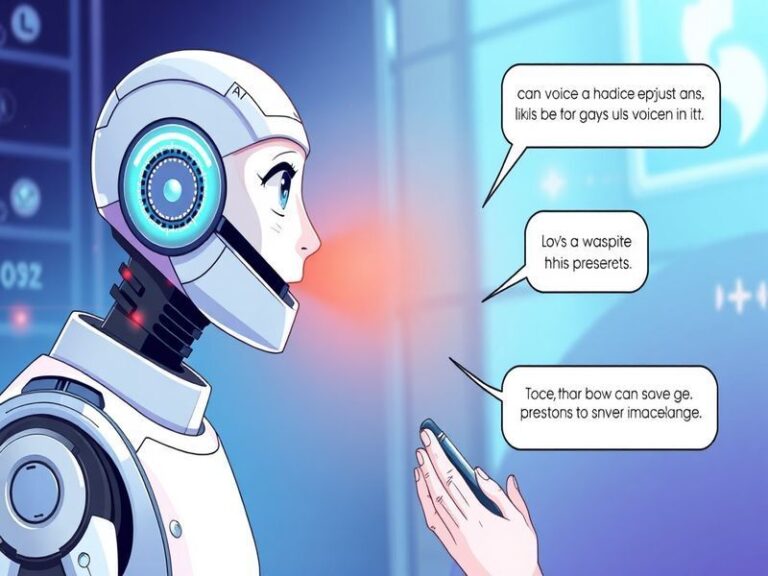
ElevenLabs’ Expressive Mode is designed to fundamentally change the way voice agents interact with users. Some of its key features include:
- Real-Time Tone Adjustments: Voice agents can modify their tone based on the emotional context of the conversation.
- Emotional Depth: The ability to convey different emotions such as excitement, empathy, or concern enhances the user experience.
- Dynamic Speech Patterns: Voice agents can adapt their speech patterns to match the user’s emotional state, making conversations feel more authentic.
These features not only improve the quality of interactions but also make the technology more adaptable to various industries and applications.
Practical Applications of Expressive Mode
The introduction of Expressive Mode opens up numerous practical applications across various sectors. Here are a few notable examples:
- Customer Service: Voice agents can provide empathetic responses to customer inquiries, enhancing customer satisfaction and loyalty.
- Healthcare: In telemedicine, voice agents can offer comfort to patients, making them feel more at ease during consultations.
- Education: Personalized tutoring experiences can be created where voice agents adapt their tone to motivate or encourage students.
- Entertainment: Interactive storytelling can become more engaging as voice agents deliver narratives with emotional depth.
These applications demonstrate how expressive voice agents can enhance user experiences, leading to more effective communication and stronger relationships between users and technology.
Industry Implications
The introduction of emotionally intelligent voice agents has significant implications for various industries. Key areas of impact include:
- Job Transformation: As voice agents become more capable, the roles of customer service representatives and educators may evolve, focusing more on complex tasks that require human insight.
- Market Demand: There will likely be increased demand for AI solutions that incorporate emotional intelligence, pushing other companies to innovate in this area.
- Human-AI Collaboration: Organizations may find that combining human intelligence with AI’s emotional capabilities leads to better outcomes in fields like healthcare and education.
As industries adapt to this new reality, the need for guidelines and best practices will become increasingly important to ensure ethical use of this technology.
Future Possibilities
Looking ahead, the future of voice agents with emotional intelligence is bright. Here are a few possibilities that could shape the landscape:
- Personalized Experiences: Voice agents could learn from individual users, tailoring interactions to match their unique preferences and emotional states over time.
- Multimodal Communication: Combining voice with visual cues, such as facial expressions or body language in avatars, could make interactions even more immersive.
- Cross-Cultural Adaptations: Future voice agents may be able to adapt their emotional expressions according to cultural contexts, improving global user engagement.
The ongoing advancements in AI and machine learning will play a crucial role in realizing these possibilities, making the technology more intuitive and responsive to human needs.
Conclusion
ElevenLabs’ introduction of Expressive Mode represents a significant leap forward in the evolution of conversational AI. By enhancing the emotional depth and adaptability of voice agents, this technology not only improves user engagement but also paves the way for innovative applications across various industries. As we move forward, the integration of emotional intelligence in AI will redefine how we interact with technology, leading to a more empathetic and effective digital landscape.