Pentagon’s Tensions with Anthropic: A Clash over AI Ethics
In a rapidly evolving landscape of artificial intelligence (AI), the clash between the Pentagon and Anthropic, an AI safety and research company, has brought pressing ethical concerns to the forefront. As the Department of Defense (DoD) demands less restrictive conditions for AI deployment, it raises significant questions about safety, surveillance, and the future of military technology.
The Background of the Tension
Anthropic, founded by former OpenAI researchers, has established itself as a leading advocate for ethical AI development. Their focus on creating AI systems that are aligned with human values has garnered attention and respect in the tech community. However, the Pentagon’s desire to leverage AI for enhanced military capabilities has created a rift. The DoD’s push for broader deployment of AI technologies is driven by a quest for efficiency and effectiveness in national defense, particularly in areas such as:
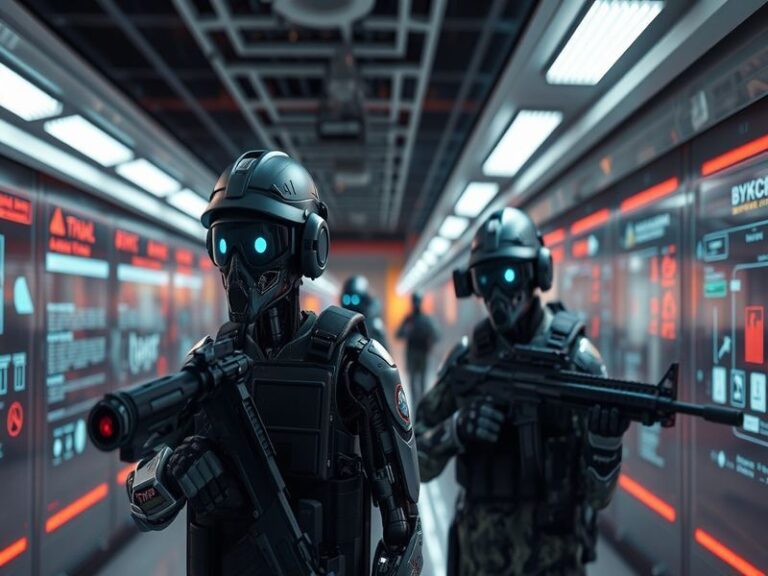
- Autonomous drones and robotic systems
- Predictive analytics for intelligence gathering
- Cybersecurity enhancements
This quest for advanced capabilities clashes with Anthropic’s commitment to ensuring that AI systems are safe and aligned with ethical guidelines, leading to a fundamental disagreement over how AI should be developed and utilized in defense contexts.
Ethical Concerns and Safety Risks
The ethical concerns surrounding military AI deployment are multifaceted. Critics argue that deploying AI technologies without stringent ethical frameworks could lead to:
- Increased surveillance: Enhanced surveillance capabilities could infringe on civil liberties.
- Autonomous decision-making: Machines making life-and-death decisions could lack the necessary moral judgment.
- Accountability issues: Determining responsibility for AI-driven actions in conflict scenarios could become legally and ethically complicated.
As the Pentagon pushes for less restrictive conditions, it raises alarms among advocates who insist on a cautious approach to AI deployment in military operations. The potential for misuse and unintended consequences is a significant concern that cannot be overlooked.
Practical Insights and Industry Implications
The tension between the Pentagon and Anthropic reflects broader industry implications for AI development and deployment:
- Shift in AI Development Paradigms: Companies may need to balance innovation with ethical considerations, leading to the establishment of new industry standards for responsible AI.
- Regulatory Frameworks: This situation could prompt governments and regulatory bodies to create more comprehensive frameworks governing the use of AI in military contexts.
- Collaboration and Conflict: The dichotomy of collaboration between tech companies and military organizations will become more pronounced, necessitating dialogue to ensure ethical standards are upheld.
The outcome of this tension may influence how AI technologies are perceived and utilized across various sectors, from civilian applications to governmental use.
Future Possibilities
As the debate continues, several future possibilities emerge:
- Enhanced Ethical Guidelines: The industry may see the development of robust ethical guidelines that govern AI deployments, which could harmonize military needs with public interest.
- Increased Public Scrutiny: With growing awareness of AI’s implications, public scrutiny over military AI applications may force greater transparency and accountability.
- Innovation in Safety Mechanisms: The need for safe AI systems could spur innovation in creating fail-safes and ethical guardrails, ensuring that AI systems operate within defined moral parameters.
Ultimately, the resolution of the Pentagon-Anthropic clash could set a precedent for how AI technologies are integrated into society and governance. If approached with caution and responsibility, the deployment of AI in military contexts could lead to transformative advancements while upholding ethical standards.
Conclusion
The tensions between the Pentagon and Anthropic highlight a critical juncture in the evolution of AI technology. As military applications of AI become more prevalent, the balance between innovation and ethical considerations will be crucial. Stakeholders must engage in meaningful dialogue to navigate the complexities of AI deployment, ensuring that safety and human values are prioritized in the pursuit of technological advancement.