China’s Humanoid Robot Dances with Precision: A Look at How Advanced Robotics and AI are Merging to Create Lifelike Movements
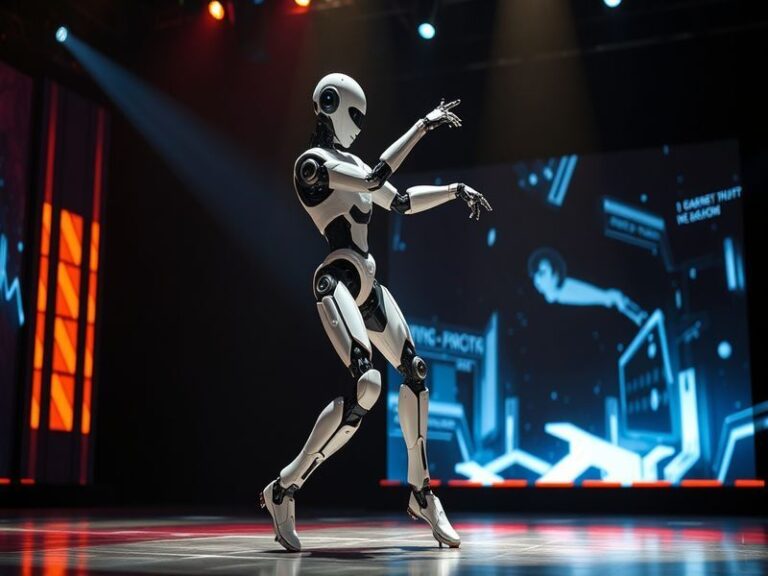
In recent years, the field of robotics has made astounding strides, particularly in the realm of humanoid robots. One of the most compelling examples comes from China, where researchers and engineers have developed robots capable of performing intricate dance routines with remarkable precision. This innovation is not merely a spectacle; it represents a significant advancement in the merger of artificial intelligence (AI) and robotics, leading to a new era of lifelike movements.
The Technology Behind the Dance
The seamless coordination displayed by these humanoid robots is the result of a combination of advanced algorithms, machine learning, and real-time processing capabilities. Here are some key technologies involved:
- Motion Capture Technology: This allows the robots to learn and replicate human movements accurately by analyzing the nuances of dance performance.
- Advanced AI Algorithms: These algorithms process vast amounts of data to refine movement, ensuring the robots can adapt to various dance styles and rhythms.
- Sensor Integration: Sensors are crucial for providing feedback about balance, position, and orientation, enabling the robots to make quick adjustments during performance.
Practical Insights into Robotics and AI Integration
The implications of merging AI with robotics extend far beyond entertainment. Here are some practical insights:
- Healthcare Applications: Humanoid robots can assist in rehabilitation therapy by demonstrating exercises, providing companionship, or even performing tasks for patients with mobility issues.
- Education and Training: Robots can serve as interactive teaching assistants, helping students understand complex subjects through practical demonstrations.
- Entertainment Industry: The ability of robots to perform lifelike movements can revolutionize live performances, creating entirely new forms of entertainment.
Industry Implications
The advancements in robotics and AI are set to disrupt various industries in several ways:
- Manufacturing: As robots become more agile and versatile, they can take on more complex tasks in manufacturing settings, leading to increased efficiency and reduced labor costs.
- Service Sector: Humanoid robots can be employed in customer service roles, enhancing user experience by providing personalized interactions.
- Research and Development: The capabilities of these robots can be harnessed for R&D purposes, allowing for rapid prototyping and testing of new technologies.
Future Possibilities
Looking ahead, the future of humanoid robots with AI integration appears promising. Here are some potential developments to watch:
- Improved Emotional Intelligence: Future robots may develop the ability to recognize and respond to human emotions, creating more natural interactions.
- Personalized Learning: AI-driven robots could tailor their teaching methods based on individual learning styles, making education more effective.
- Enhanced Mobility and Agility: Continued advancements in robotics may lead to even more graceful and lifelike movements, enabling robots to perform complex tasks in unpredictable environments.
Conclusion
The merging of AI and robotics, as exemplified by China’s humanoid robots, is paving the way for unprecedented advancements in technology. These developments promise not only to enhance our entertainment experiences but also to revolutionize industries such as healthcare, education, and manufacturing. As we continue to explore the capabilities of these lifelike machines, we must also remain mindful of the ethical implications and challenges that accompany such rapid technological progress.