Robotic Humanoids: The Art of Performance
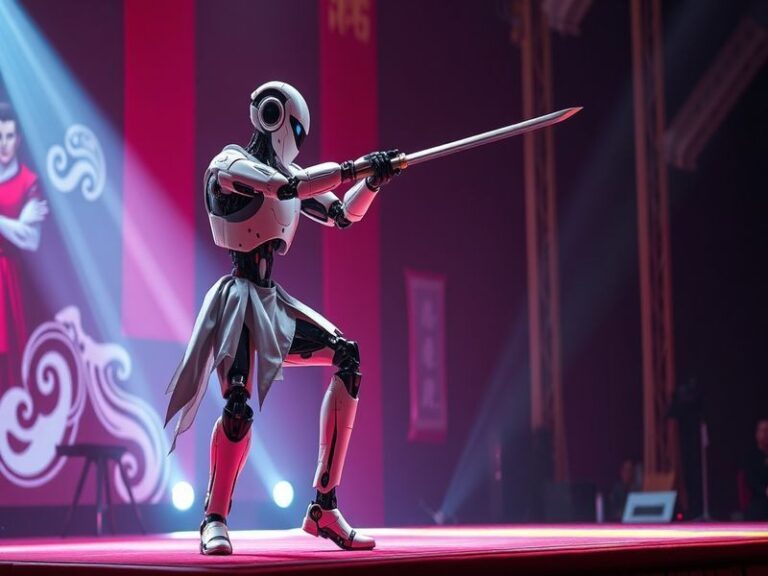
In the intersection of technology and artistry, robotic humanoids are increasingly captivating audiences with their ability to perform intricate traditional sword dances. This convergence of artificial intelligence, robotics, and cultural heritage not only showcases the advancements in AI-driven humanoids but also raises profound implications for industries ranging from entertainment to education.
The Rise of AI-Driven Humanoids
As technology evolves, humanoid robots are being designed with advanced AI systems, allowing them to mimic human behaviors and emotions. These robots integrate various technologies, including:
- Machine Learning: Enabling humanoids to learn from experiences and improve their performance over time.
- Computer Vision: Allowing them to interpret visual information from the world, which is crucial for timing and coordination in dance.
- Natural Language Processing: Facilitating interactions with humans, adding a layer of engagement during performances.
The versatility of these technologies enables robotic humanoids to not only dance but also interact with audiences, making performances more engaging and immersive.
Performance and Cultural Significance
Traditional sword dances have deep cultural roots, often symbolizing bravery, honor, and heritage. The integration of robotic humanoids into these performances raises several questions and offers unique opportunities:
- Preservation of Culture: Robots can help keep traditional dances alive, especially in communities where human performers are dwindling.
- Innovation in Artistic Expression: AI-driven humanoids can introduce new choreography and styles, blending modern techniques with traditional forms.
- Accessibility: Robotic performances can be shared globally through digital platforms, reaching audiences that may not experience these arts live.
Case Studies: Successful Integrations
Several projects have successfully integrated robotic humanoids into traditional dance contexts:
- Shimon the Robot: Developed at Georgia Tech, Shimon uses AI to compose and perform music, demonstrating how technology can enhance traditional art forms.
- Yaskawa Motoman: Known for its precision, this robot has performed traditional Japanese sword dances, showcasing the technical capabilities of humanoids.
- RoboCup Soccer: While not a traditional sword dance, this initiative highlights how humanoids can learn complex movements and strategies, applicable in dance contexts.
These examples illustrate the potential for robotic performances to evolve and enrich cultural expressions, paving the way for further innovations in AI and robotics.
Industry Implications
The rise of robotic humanoids in performance art poses significant implications for various industries:
- Entertainment: As robotic performances become more prevalent, they could reshape how audiences engage with live performances, pushing boundaries in theater and dance.
- Education: Schools and institutions may incorporate humanoids into their curricula, teaching students about robotics, programming, and cultural heritage.
- Tourism: Robotic performances can attract tourists seeking unique cultural experiences, revitalizing interest in traditional arts.
Future Possibilities
Looking ahead, the future of robotic humanoids in traditional sword dances and similar performances is filled with possibilities:
- Advanced Interaction: Future humanoids may incorporate more sophisticated AI, allowing them to adapt their performances based on audience reactions in real-time.
- Collaborative Performances: Imagine a performance where human dancers and robots work together, creating a seamless blend of tradition and technology.
- Global Collaboration: AI-driven humanoids could facilitate cross-cultural exchanges, where traditional dances from different cultures are merged into unique performances.
As AI and robotics continue to evolve, the potential for these technologies to transform traditional art forms remains vast and exciting.
Conclusion
Robotic humanoids are not just machines; they are emerging artists capable of preserving and innovating traditional practices like sword dancing. With their integration into performance arts, these AI-driven humanoids are set to redefine our understanding of creativity, interaction, and cultural heritage. As we look towards the future, the collaboration between technology and art promises to offer new pathways for expression and connection.