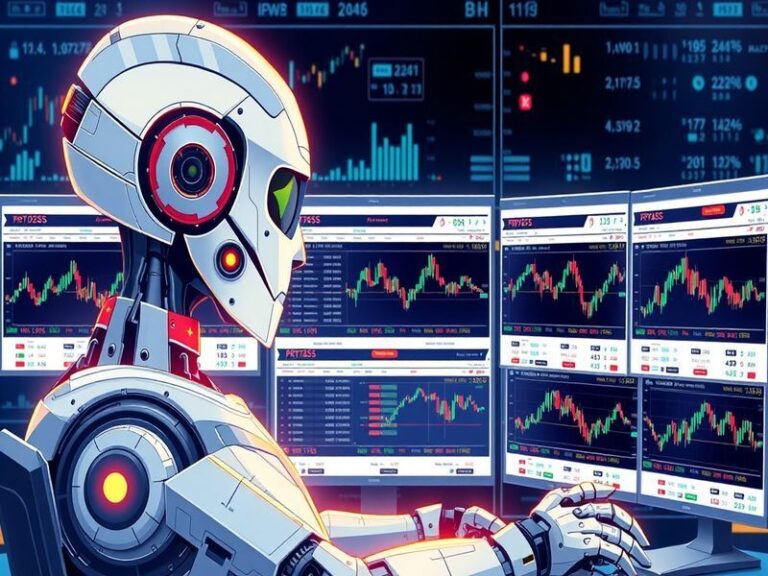
The Rise of Autonomous Trading Agents in Finance
In recent years, the financial landscape has undergone a significant transformation, primarily driven by advancements in artificial intelligence (AI) and machine learning (ML). One of the most notable developments is the emergence of autonomous trading agents, which are revolutionizing how stock and cryptocurrency trading is conducted. These AI-powered systems continuously analyze market data, allowing for more informed trading decisions and ultimately enhancing profitability.
Understanding Autonomous Trading Agents
Autonomous trading agents are sophisticated algorithms designed to operate independently within financial markets. They utilize a combination of historical data, real-time market analysis, and predictive modeling to execute trades on behalf of investors. The primary characteristics of these agents include:
- Real-time Analysis: Continuous monitoring of market conditions, news, and other influencing factors.
- Learning Capabilities: Use of machine learning techniques to adapt and improve their trading strategies over time.
- Automation: Ability to execute trades without human intervention, reducing response time and capitalizing on fleeting market opportunities.
The Technology Behind Autonomous Trading
The backbone of autonomous trading agents is a blend of big data analytics, natural language processing (NLP), and reinforcement learning. Here’s how these technologies contribute to their effectiveness:
- Big Data Analytics: Autonomous agents analyze vast amounts of data from various sources, including market trends, historical prices, and economic indicators, to identify profitable trading opportunities.
- Natural Language Processing: By processing news articles, reports, and social media sentiment, these agents can gauge market sentiment and react to changes swiftly.
- Reinforcement Learning: This ML approach allows agents to learn from their trading experiences, refining their strategies based on past successes and failures.
Industry Implications
The rise of autonomous trading agents has wide-ranging implications for the finance industry. As these systems become more prevalent, several key trends are emerging:
- Increased Efficiency: Autonomous trading agents can process and act on information in milliseconds, far surpassing human capabilities. This enhances market efficiency and liquidity.
- Cost Reduction: By automating trading processes, firms can significantly reduce operational costs, cutting down on the need for large trading teams.
- Market Volatility: The proliferation of automated trading could lead to increased market volatility, as algorithmic strategies react to market movements in real-time.
- Regulatory Challenges: As the influence of AI in trading grows, regulators will need to establish frameworks to ensure fair practices and mitigate risks associated with high-frequency trading.
Practical Insights for Investors
Investors looking to leverage autonomous trading agents should consider the following practical insights:
- Understand the Algorithms: Familiarize yourself with the underlying algorithms and strategies employed by the trading agents you choose to use.
- Risk Management: Implement robust risk management practices to safeguard against potential losses due to algorithmic errors or market anomalies.
- Monitor Performance: Continuously monitor the performance of your autonomous trading agents to ensure they are meeting your investment goals.
- Stay Informed: Keep abreast of technological advancements and regulatory changes that could impact the effectiveness of autonomous trading systems.
Future Possibilities
As AI technology continues to evolve, the future of autonomous trading agents looks promising. Here are some potential developments to watch for:
- Enhanced Predictive Capabilities: Future trading agents may leverage advanced predictive models to better forecast market movements, reducing uncertainty.
- Integration with Blockchain: The fusion of AI and blockchain technology could lead to more secure and transparent trading processes, especially in cryptocurrency markets.
- Personalized Trading Strategies: AI may enable the development of personalized trading strategies tailored to individual investor profiles, risk appetites, and market conditions.
- Collaborative Trading: Autonomous agents might work collaboratively, sharing insights and strategies to enhance overall market performance.
In conclusion, the rise of autonomous trading agents represents a significant shift in the finance industry, driven by advancements in AI and machine learning. As these technologies continue to evolve, they will undoubtedly shape the future of trading, offering new opportunities and challenges for investors and financial institutions alike.