The Randomness Dilemma: LLMs and Password Generation
As artificial intelligence continues to evolve, large language models (LLMs) like GPT-4 are being explored for a variety of applications, including password generation. However, this innovative approach raises significant concerns regarding the randomness and security of the generated passwords. In this article, we will examine why LLM-generated passwords often fail randomness tests, the associated security risks, and the implications for the tech industry.
Understanding Randomness in Password Generation
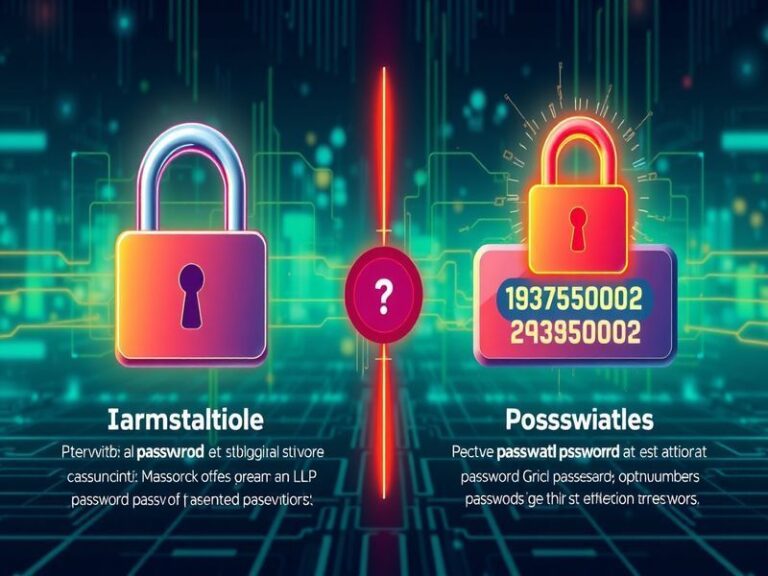
Password security is paramount in today’s digital landscape. A strong password must be both complex and unpredictable. Traditional methods for password generation often utilize random number generators that deliver a high entropy output, which is critical for ensuring security. In contrast, LLMs generate text based on patterns learned from large datasets, which can lead to predictable outputs.
The Shortcomings of LLM-Generated Passwords
Despite their advanced capabilities, LLMs have inherent limitations when it comes to generating secure passwords. Here are some reasons why:
- Predictability: LLMs are trained on vast datasets that often include common phrases and patterns. Consequently, they may generate passwords that are more predictable than desired, making them susceptible to brute-force attacks.
- Limited Entropy: The entropy of a password measures its randomness and complexity. LLM-generated passwords may exhibit lower entropy compared to those generated by dedicated random algorithms, reducing their effectiveness against attacks.
- Contextual Bias: LLMs can exhibit biases based on the input they receive. This means that if a user prompts the model with certain themes or topics, the generated passwords may reflect those biases, potentially compromising security.
Security Risks Involved
Using LLMs for password generation introduces several security risks that tech enthusiasts and professionals must consider:
- Brute-Force Vulnerability: If passwords are generated with predictable patterns, attackers can use brute-force methods more effectively, significantly increasing the chances of successful attacks.
- Phishing Exploits: Given that LLMs might generate passwords that resemble common phrases or words, attackers can craft targeted phishing schemes that are more convincing, leading users to unwittingly disclose their credentials.
- Mass Credential Theft: In scenarios where LLMs are used within applications without adequate security checks, the potential for mass credential theft increases, putting sensitive data at risk.
Practical Insights for Secure Password Practices
To mitigate the risks associated with LLM-generated passwords, here are some practical insights:
- Use Dedicated Password Managers: Password managers employ secure random number generators that create high-entropy passwords tailored for individual accounts.
- Combine Methods: Consider using LLMs to generate password phrases, but combine them with additional randomness from external sources to enhance security.
- Regularly Update Passwords: Encourage users to regularly update their passwords and employ multifactor authentication to add an additional layer of security.
Industry Implications
The use of LLMs in password generation has far-reaching implications for various sectors.
- Software Development: Developers must be cautious when incorporating LLMs into applications. A clear understanding of the security risks is essential to safeguard user data.
- Cybersecurity: Cybersecurity professionals need to adapt their strategies to account for vulnerabilities introduced by AI-generated passwords, ensuring robust defenses against evolving threats.
- User Education: As organizations adopt AI technologies, educating users about the limitations of LLM-generated passwords is critical for maintaining security hygiene.
Future Possibilities
Looking ahead, the integration of AI in password generation will continue to evolve. Some potential developments include:
- Hybrid Models: Future systems may leverage hybrid models combining LLMs with traditional random generators, optimizing both usability and security.
- AI-Driven Security Protocols: AI could lead to the development of advanced security protocols that assess the strength of passwords in real-time, providing recommendations to users.
- Adaptive Learning: LLMs may evolve to learn from user behavior and adapt password generation strategies accordingly, creating more secure and personalized solutions.
Conclusion
While LLMs present exciting opportunities for various applications, their use in password generation raises significant concerns about randomness and security. By understanding the limitations and risks associated with LLM-generated passwords, industry professionals can implement strategies that enhance security while leveraging the capabilities of AI. As technology continues to advance, the challenge will be to balance innovation with safety, ensuring that users remain protected in an increasingly digital world.