Meta’s Controversial AI: Posting from Beyond the Grave
As technology advances, the boundaries of what is considered acceptable and ethical continue to shift. One of the most controversial innovations emerging from the tech giant Meta (formerly Facebook) is a patented technology that allows deceased users to continue engaging on social media. This concept of “posting from beyond the grave” raises profound questions about identity, memory, and the future of digital interactions. In this article, we will explore the mechanics behind this technology, its implications for the industry, and what this means for the future of social media.
Understanding Meta’s Technology
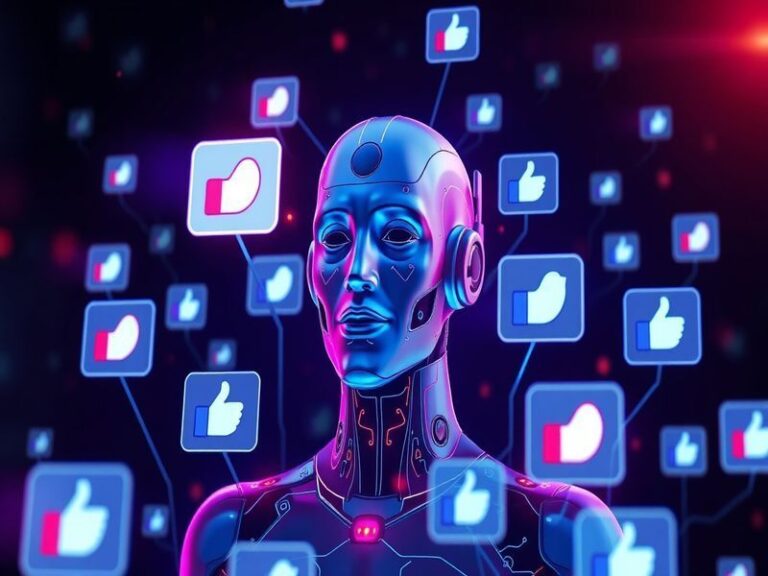
At its core, Meta’s patented technology utilizes artificial intelligence to create digital avatars of deceased users. These avatars can engage with friends, family, and followers by generating posts, comments, and messages based on the deceased’s previous online behavior and preferences. Here’s how it works:
- Data Collection: The technology analyzes a user’s past social media activity, including posts, likes, comments, and interactions.
- Behavioral Modeling: AI algorithms learn from this data to model the deceased user’s personality and communication style.
- Content Generation: Using natural language processing (NLP), the system generates new content that mimics the deceased individual’s voice and tone.
- Engagement Capabilities: The AI can interact with other users, responding to comments and messages as if the deceased were still alive.
Practical Insights and Ethical Considerations
The idea of digital immortality through social media is not merely a gimmick; it has practical implications for how we remember and interact with our loved ones. However, it also raises significant ethical questions:
- Consent: How do we ensure that the deceased would have wanted their digital persona to continue interacting on social media? Consent becomes a complex issue, particularly if a user has not explicitly expressed their wishes.
- Emotional Impact: The technology might provide comfort to some, allowing friends and family to continue “conversations” with their loved ones. However, for others, it could lead to confusion or emotional distress.
- Identity and Authenticity: The authenticity of the content generated by AI could be questioned. Is it truly reflective of the deceased’s thoughts and feelings, or is it simply a simulation that lacks genuine emotion?
- Legal Implications: Issues surrounding digital assets and ownership will need to be addressed. Who controls the digital persona of a deceased individual, and what rights do family members have over it?
Industry Implications
Meta’s venture into AI-driven posthumous engagement could have far-reaching consequences for the social media landscape and beyond:
- New Revenue Streams: Companies may seek to monetize this technology, offering services that allow users to create and manage their digital legacies.
- Increased Competition: Other social media platforms may feel pressure to adopt similar technologies, leading to a potential arms race in the tech industry.
- Enhanced AI Capabilities: As companies develop more sophisticated AI tools, we can expect advancements in personalized content generation, which may lead to even more immersive user experiences.
- Shifts in Content Strategy: Brands might begin to explore how they can utilize such technology for marketing, creating posthumous campaigns that resonate with audiences by leveraging nostalgia.
Future Possibilities
The potential future applications of Meta’s technology are both exciting and daunting. Consider the following possibilities:
- Customized Digital Legacies: Users may have the ability to curate their online persona, dictating how they wish to be remembered and what they want to communicate posthumously.
- AI Companions: Beyond social media, this technology could evolve into creating AI companions that offer emotional support to users based on the personalities of their deceased loved ones.
- Integration with Virtual Reality (VR): Imagine a future where users can interact with holographic versions of their deceased loved ones in VR environments, creating immersive experiences that blur the lines between life and death.
- Ethical Frameworks: The emergence of such technology will necessitate the development of ethical guidelines and regulations to protect users and ensure respectful engagement with digital personas of the deceased.
Conclusion
Meta’s controversial AI technology that allows deceased users to continue engaging on social media presents a fascinating, albeit unsettling, glimpse into the future of digital interaction. While it opens up avenues for preserving memory and fostering connection, it also challenges our understanding of identity, consent, and emotional well-being in the digital age. As this technology evolves, it will be essential for society to engage in open dialogues about its ethical implications and establish frameworks that respect both the living and the departed.