The Rise of AI: Are Entry-Level Jobs at Risk?
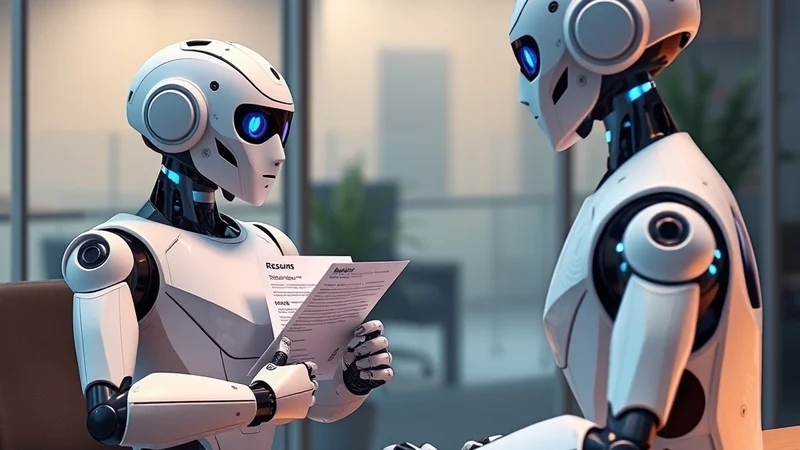
The advancement of artificial intelligence (AI) has sparked significant discussions regarding its potential impact on the job market, particularly for entry-level positions. As AI technologies evolve, they are poised to transform various industries, leading to both opportunities and challenges. This article analyzes the implications of advanced AI on job markets and career progression, especially focusing on how entry-level jobs may be affected.
Understanding the Landscape of AI
AI encompasses a range of technologies, including machine learning, natural language processing, and robotics. These capabilities enable machines to perform tasks that traditionally required human intelligence, such as:
- Data analysis
- Customer service automation
- Process optimization
- Content generation
As companies increasingly adopt these technologies, the nature of work is changing rapidly. Entry-level jobs, often characterized by routine tasks, are particularly vulnerable to automation. Understanding this shift is crucial for both employers and employees.
Potential Consequences for Entry-Level Jobs
The rise of AI presents several potential consequences for entry-level jobs:
- Job Displacement: Many entry-level roles, such as data entry, customer service, and basic administrative tasks, are at high risk of being automated. AI can perform these tasks more efficiently and accurately, leading to a reduction in demand for human workers.
- Job Creation in New Areas: While some jobs may be eliminated, AI also creates new opportunities in emerging fields. For instance, roles related to AI development, maintenance, and oversight are on the rise, requiring a different skill set.
- Skill Evolution: As entry-level jobs evolve, the skills required to succeed will also change. Employees may need to develop competencies in technology management, data analysis, and critical thinking to remain relevant in the job market.
- Increased Competition: With a shrinking pool of traditional entry-level positions, competition for available roles may intensify. Candidates will need to distinguish themselves through advanced skills and adaptability.
Industry Implications
Different sectors will experience varying impacts from AI on entry-level jobs:
- Healthcare: AI is revolutionizing patient care through predictive analytics and automated administrative processes. While manual roles may decline, new opportunities in healthcare technology and data management are emerging.
- Finance: In the finance sector, AI-driven algorithms can analyze market trends faster than human analysts. This shift may lead to fewer entry-level positions in traditional finance roles but will increase demand for tech-savvy financial analysts.
- Retail: The retail industry is seeing a rise in AI-powered chatbots and inventory management systems. While some low-skill jobs may vanish, there will be a need for employees who can manage these AI systems and enhance the customer experience.
- Manufacturing: Automation in manufacturing is not new, but AI is taking it to the next level with smart factories. The demand for skilled technicians who can operate and maintain AI systems will grow, even as some repetitive jobs disappear.
Future Possibilities
Looking ahead, the future of entry-level jobs in the age of AI will likely be characterized by a blend of challenges and opportunities. Here are some possibilities:
- Reskilling and Upskilling: Organizations will need to invest in training programs to help employees transition into new roles that require AI-related skills. Lifelong learning will become essential.
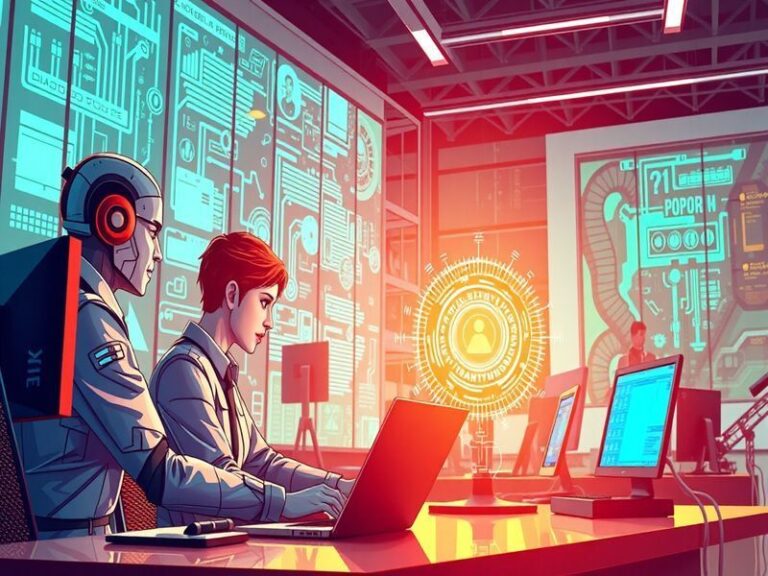
- Hybrid Workforces: The integration of AI into the workforce may lead to a hybrid model where human workers collaborate with intelligent systems, enhancing productivity and innovation.
- Focus on Soft Skills: As technical tasks become automated, soft skills like creativity, emotional intelligence, and interpersonal communication will become increasingly valuable in the job market.
- Policy and Regulation: Governments and organizations may need to establish regulations to manage the impact of AI on employment, ensuring that workers are protected and that there is a balance between automation and job creation.
Conclusion
The rise of AI undoubtedly poses risks to entry-level jobs, but it also opens up new avenues for career advancement and innovation. As the job market evolves, both employees and employers must adapt to these changes. By embracing reskilling initiatives and focusing on emerging opportunities, the workforce can thrive in an AI-driven future. The key lies in recognizing that while AI may change the nature of work, it also has the potential to enhance human capabilities and drive economic growth.