The Role of AI in Misinformation: The Iran War Case
In recent years, artificial intelligence (AI) has emerged as a double-edged sword in the realm of information dissemination. While it has the potential to enhance communication and facilitate knowledge sharing, it has also been exploited to create and spread misinformation. The ongoing conflicts across the globe have provided fertile ground for this phenomenon, particularly during the Iran War. This article examines how AI-generated fakes have influenced perceptions during this recent conflict, highlighting practical insights, industry implications, and future possibilities.
Understanding the Landscape of Misinformation
Misinformation refers to false or misleading information spread regardless of intent. In the context of warfare, misinformation can be particularly dangerous, shaping public opinion and influencing international relations. The digital age has made it easier for misinformation to proliferate, and AI technologies have amplified this issue.
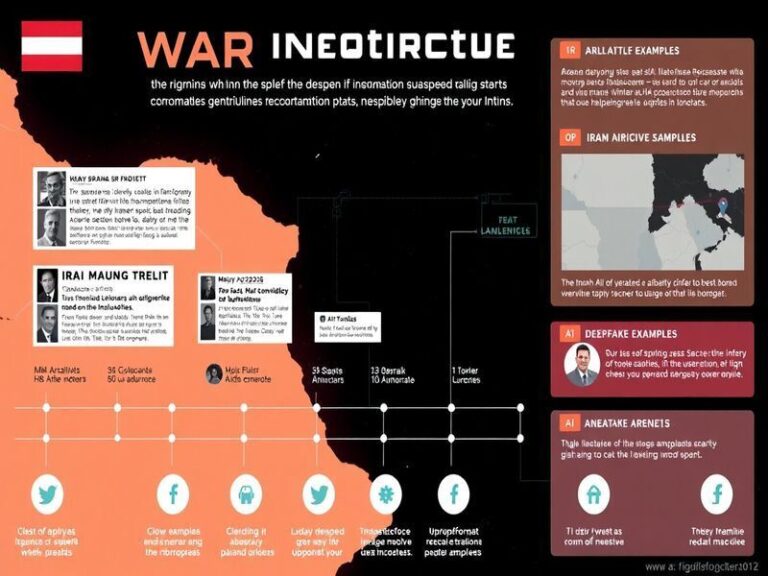
- Deepfakes: AI-generated videos that manipulate real footage to create false narratives.
- Text Generation: Natural language processing (NLP) tools that produce convincing articles or social media posts.
- Social Bots: Automated accounts that spread misinformation across platforms.
The Iran War Case: A Brief Overview
The Iran War, marked by a series of escalations and conflicts, saw a surge in misinformation campaigns. AI played a pivotal role in generating fake content that aimed to sway public opinion and create confusion.
- Propaganda Efforts: Both state and non-state actors used AI tools to produce content that served their interests.
- Public Sentiment Manipulation: Misinformation campaigns influenced public perceptions of the conflict, swaying opinions in favor of or against certain actions.
How AI-Generated Fakes Influenced Perceptions
During the Iran War, several AI-generated fakes emerged that significantly impacted public perception:
- Visual Misinformation: Deepfake technology was used to create videos that falsely depicted military actions or political statements. This visual manipulation was particularly effective in garnering emotional responses from viewers.
- Social Media Amplification: AI-driven bots shared these deepfakes at an alarming rate, leading to viral dissemination across platforms like Twitter and Facebook. The speed and scale of this spread often outpaced efforts to debunk the misinformation.
- News Outlets’ Responses: Traditional media struggled to keep up with the onslaught of AI-generated misinformation, often leading to rushed reporting that sometimes unintentionally legitimized the false content.
Practical Insights and Industry Implications
The use of AI in misinformation campaigns during the Iran War has highlighted several critical insights for various industries:
- Need for Robust Verification: Media organizations must integrate advanced verification tools and AI-based detection systems to identify manipulated content swiftly.
- AI Literacy: Educating the public and professionals about the capabilities and limitations of AI can help foster critical thinking in evaluating online content.
- Collaborative Approaches: Tech companies, governments, and civil society must collaborate to develop frameworks that address the challenges posed by AI-generated misinformation.
Future Possibilities: Navigating the Misinformation Landscape
Looking ahead, the role of AI in misinformation will likely evolve, presenting both challenges and opportunities:
- Enhanced Detection Technologies: Future AI systems could be designed to better detect and flag misinformation before it spreads, using advanced algorithms that analyze patterns in content.
- Regulation and Ethical Standards: As governments grapple with the implications of AI in misinformation, there may be calls for regulations that govern AI usage in media and communications.
- Public Awareness Campaigns: Increased efforts to educate the public about the risks associated with AI-generated content can empower individuals to discern credible information.
In conclusion, the role of AI in misinformation, as illustrated by the Iran War, underscores the urgent need for comprehensive strategies to combat the spread of false narratives. As technology continues to advance, so too must our responses to ensure that the integrity of information remains intact amidst the chaos of digital warfare.