The Rise of Wearable AI Technology: Examining a New Device that Translates Brain Signals into Spoken Words Without Vocalization
In the ever-evolving world of technology, wearable devices have made a significant mark by seamlessly integrating advanced functionalities into everyday life. One of the most groundbreaking innovations on the horizon is a wearable AI device capable of translating brain signals into spoken words, effectively allowing individuals to communicate without vocalization. This article delves into the intricacies of this revolutionary technology, its practical implications, industry consequences, and what the future might hold.
Understanding the Technology Behind Brain-Computer Interfaces
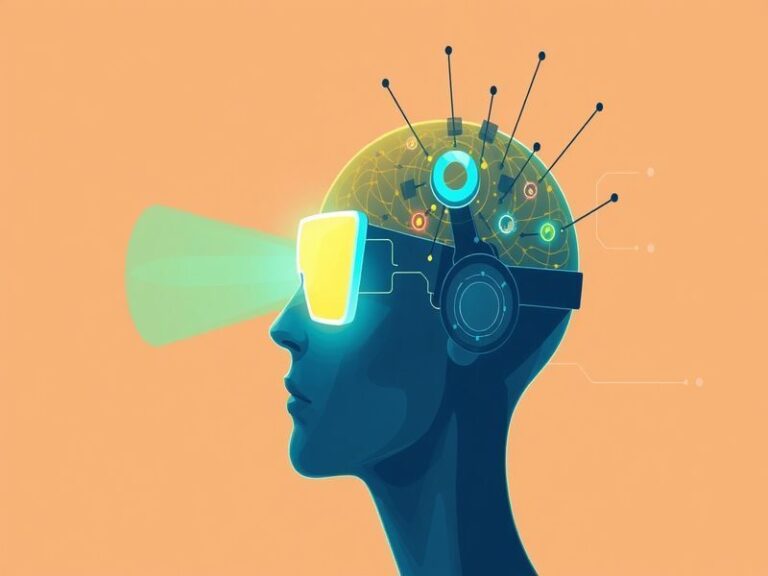
At the core of this wearable AI device is a sophisticated Brain-Computer Interface (BCI). BCIs facilitate direct communication between the brain and external devices, translating neural activity into actionable data. This technology leverages several key components:
- Electroencephalography (EEG): Using electrodes placed on the scalp, EEG measures electrical activity in the brain, capturing signals associated with thoughts and intentions.
- Signal Processing Algorithms: Advanced algorithms analyze the captured brain signals, filtering noise and identifying patterns that correspond to specific words or phrases.
- Natural Language Processing (NLP): Once the signals are interpreted, NLP technology converts these into coherent speech, allowing for verbal communication without the need for physical vocalization.
Practical Insights into the Wearable AI Device
The implications of a device capable of translating brain signals into spoken words are profound, particularly for individuals with speech impairments. Here are some practical insights into its applications:
- Enhanced Communication for Disabled Individuals: This technology can significantly improve the quality of life for individuals with conditions such as ALS, stroke, or cerebral palsy, who struggle to communicate verbally.
- Augmented Reality Integration: The device could integrate with augmented reality systems, allowing users to navigate environments and interact with digital content using their thoughts.
- Real-time Translation: Imagine a world where thoughts could be translated into multiple languages instantaneously, breaking down communication barriers across cultures.
Industry Implications and Challenges
As promising as this technology is, it also presents unique challenges and considerations:
- Ethical Concerns: The ability to read and interpret brain signals raises significant ethical questions about privacy and consent. How do we ensure that individuals control their thoughts and data?
- Accuracy and Reliability: For the technology to be effective, it must achieve high levels of accuracy in interpreting brain signals. Ongoing research is needed to refine these algorithms.
- Regulatory Hurdles: The integration of such technology into healthcare systems will require robust regulatory frameworks to ensure safety and efficacy.
Future Possibilities: Where Wearable AI Technology is Headed
The future of wearable AI technology, particularly in the realm of brain signal translation, is bright and filled with potential. Here are some possibilities to consider:
- Personalized Communication: Future devices may adapt to individual users’ neural patterns, creating a personalized communication experience that improves over time.
- Integration with Smart Environments: As smart homes and IoT devices become more prevalent, the ability to control these systems through thought could redefine convenience and accessibility.
- Educational Tools: This technology could be utilized in educational settings, allowing students to engage with learning materials in novel ways, potentially revolutionizing the educational landscape.
In conclusion, the rise of wearable AI technology, particularly devices that translate brain signals into spoken words, represents a significant step forward in human-computer interaction. As this technology continues to develop, it promises to enhance communication for those with disabilities, drive innovation across industries, and challenge our understanding of privacy and consent. With careful consideration of the ethical landscape and ongoing advancements in technology, the future holds exciting possibilities for how we connect and communicate.