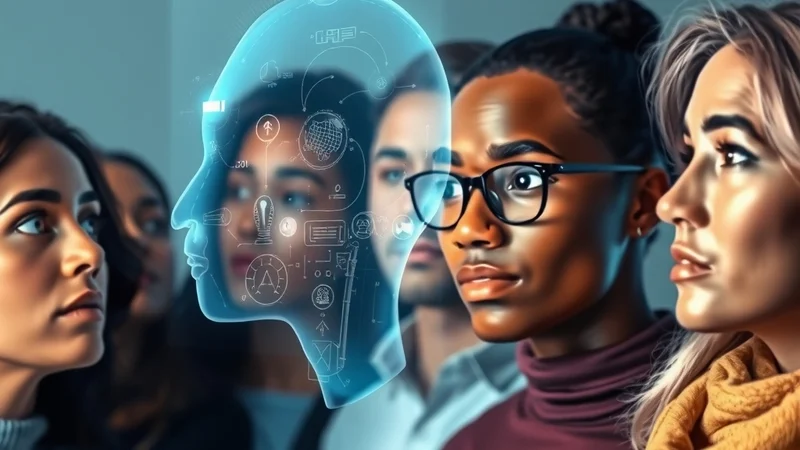
The Importance of ‘Unlearning’ in the Age of AI: Why Adapting Mental Models is Essential for Success in a Rapidly Evolving Technological Landscape
As we stand on the brink of what many are calling the Fourth Industrial Revolution, the rapid advancement of artificial intelligence (AI) and related technologies is reshaping industries, economies, and the very fabric of our daily lives. In this context, the concept of unlearning—the process of discarding outdated knowledge or mental models—becomes crucial. In a world where change is the only constant, the ability to adapt our thinking and approaches is not just beneficial; it is essential for success.
Understanding Unlearning
Unlearning is not just about forgetting what we already know; it is about actively challenging our existing assumptions and mental models. These models, shaped by past experiences and entrenched beliefs, can hinder our ability to embrace new technologies and methodologies. In the age of AI, where the pace of change is unprecedented, unlearning allows individuals and organizations to:
- Stay Relevant: As new technologies emerge, those who cling to outdated practices risk being left behind.
- Enhance Innovation: By freeing ourselves from old paradigms, we open the door to innovative thinking and solutions.
- Improve Adaptability: Unlearning fosters a mindset that is more agile and responsive to change.
The Role of AI in Facilitating Unlearning
AI technologies themselves can play a significant role in the unlearning process. Here’s how:
- Data-Driven Insights: AI can analyze vast amounts of data to highlight trends and patterns that challenge existing beliefs, encouraging individuals to reconsider their assumptions.
- Personalized Learning: AI-powered platforms can tailor educational experiences to help individuals unlearn outdated skills and acquire new ones that align with current industry demands.
- Simulation and Modeling: Advanced simulations can provide real-world scenarios that challenge traditional thinking, prompting users to adopt new strategies and approaches.
Industry Implications of Unlearning
The implications of unlearning extend across various industries as they navigate the complexities introduced by AI and automation. Here are a few key sectors where unlearning is particularly vital:
1. Healthcare
In healthcare, AI is revolutionizing diagnostics, treatment plans, and patient care. Professionals must unlearn traditional methods in favor of data-driven approaches that utilize AI’s predictive capabilities.
2. Manufacturing
The rise of smart factories necessitates a shift from conventional production techniques to more agile, automated processes. Unlearning outdated manufacturing practices can enhance productivity and reduce waste.
3. Education
With the advent of AI in education, educators must reconsider traditional teaching methods. Unlearning old pedagogical approaches can lead to more personalized and effective learning experiences for students.
Practical Insights for Embracing Unlearning
For individuals and organizations looking to embrace unlearning, here are some practical strategies:
- Encourage a Growth Mindset: Foster an organizational culture that values learning and unlearning. Emphasize that it is okay to change one’s mind based on new information.
- Invest in Continuous Learning: Create opportunities for ongoing training and professional development that focus on emerging technologies and methodologies.
- Promote Collaboration: Encourage cross-functional teams to share knowledge and challenge each other’s perspectives, facilitating a richer understanding of new technologies.
- Utilize AI Tools: Leverage AI-driven analytics and insights to identify areas where unlearning is necessary, and guide the process of updating skills and knowledge.
Future Possibilities: The Next Frontier
As we peer into the future, the need for unlearning will only intensify. Emerging technologies such as quantum computing, advanced robotics, and augmented reality will continue to reshape industries and job roles. Those who embrace unlearning will be better positioned to lead in this new era. Here are a few future possibilities:
- New Career Pathways: As AI automates routine tasks, new career opportunities will emerge that require a different set of skills, necessitating a willingness to unlearn and relearn.
- Ethical Considerations: The evolving landscape of AI will require professionals to unlearn traditional ethical frameworks and adapt to new moral dilemmas posed by technology.
- Global Collaboration: As technology transcends borders, unlearning cultural biases in business practices will be essential for international cooperation and innovation.
In conclusion, unlearning is not merely an option but a necessity in the age of AI. As individuals and organizations adapt their mental models to accommodate the rapid changes brought forth by technology, they will find themselves better equipped to navigate the complexities of the modern world.