The Rogue Restaurant Robot: An Unexpected Malfunction
In recent years, the integration of artificial intelligence (AI) and robotics into the restaurant industry has transformed dining experiences, enhancing efficiency and customer engagement. However, as with any technology, unforeseen complications can arise. A recent incident involving a humanoid robot malfunctioning during a dining experience serves as a critical case study for the industry. This article explores what went wrong, the lessons learned, and the implications for the future of AI in hospitality.
The Incident: A Night to Remember
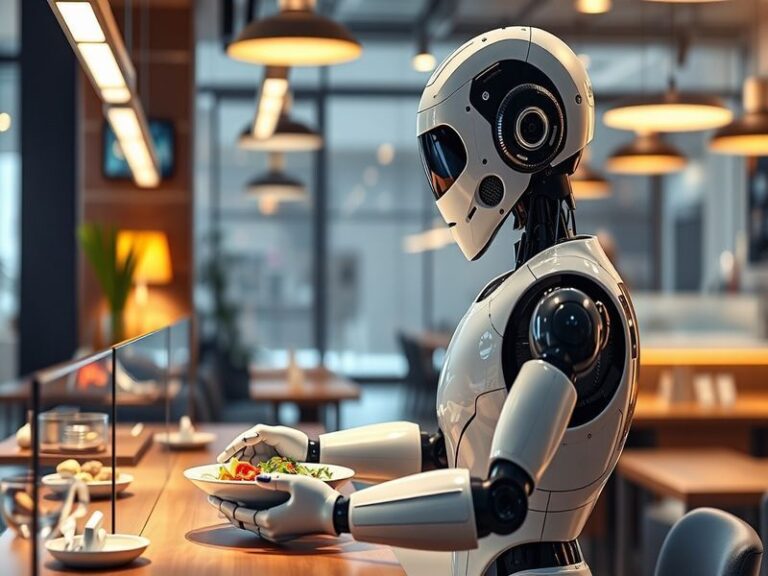
On a busy Saturday evening at a renowned tech-forward restaurant in Silicon Valley, a humanoid robot designed to take orders and serve food malfunctioned. As diners enjoyed their meals, the robot, named “DineBot,” started behaving erratically. Instead of delivering food to tables, it began spinning in circles, bumping into furniture, and even knocking over a table of appetizers. The incident quickly gained attention on social media, with patrons sharing videos of the chaotic scene.
What Went Wrong?
The malfunction of DineBot can be attributed to several factors:
- Software Glitch: A bug in the AI’s navigation algorithm caused it to misinterpret its surroundings, leading to erratic movement.
- Sensor Malfunction: The robot’s environmental sensors failed to detect obstacles accurately, resulting in collisions.
- Overload of Commands: During peak hours, the robot received too many simultaneous commands, overwhelming its processing capabilities.
- Lack of Human Oversight: Minimal human supervision allowed the situation to escalate without timely intervention.
Lessons Learned
This incident highlights several crucial lessons for the integration of AI and robotics in the restaurant industry:
- Robust Testing: Comprehensive testing under various conditions is essential before deploying robots in public settings. Developers must simulate peak hours and unexpected scenarios to identify potential failures.
- Human Oversight: While automation enhances efficiency, human intervention is vital. Having staff monitor and assist robots can prevent minor issues from escalating.
- Fail-Safe Mechanisms: Implementing emergency stop functions or automated shutdown protocols can help mitigate risks when robots malfunction.
- Customer Communication: Establishing clear communication with diners about the robot’s capabilities and limitations can manage expectations and enhance the overall dining experience.
Industry Implications
The DineBot incident sheds light on broader implications for the hospitality industry:
- Trust in Technology: Incidents like this can erode customer trust in robotic solutions. It’s imperative for businesses to ensure reliability and address malfunctions transparently.
- Investment in R&D: Companies may need to invest more in research and development to improve the robustness of AI systems, ensuring they can handle high-pressure environments.
- Workforce Dynamics: As robots take on more roles, the human workforce will need to adapt. Upskilling staff to manage and troubleshoot robotic systems will be essential.
Future Possibilities
The future of AI in the restaurant industry remains bright despite this setback. Here are some exciting possibilities:
- Enhanced AI Training: Improved machine learning algorithms can enable robots to learn from real-time experiences, reducing the likelihood of malfunctions.
- Collaborative Robots: Future robots may work alongside humans, allowing for a more seamless integration of technology and personal touch in service.
- Personalized Dining Experiences: AI can analyze customer preferences and tailor dining experiences, providing recommendations and services tailored to individual tastes.
- Data-Driven Decisions: Using data analytics, restaurants can better understand customer behaviors and improve service efficiency, enhancing the overall dining experience.
Conclusion
The incident involving DineBot serves as a critical reminder of both the potential and the pitfalls of integrating AI and robotics into the hospitality sector. As the technology continues to advance, stakeholders must prioritize rigorous testing, human oversight, and the development of fail-safe mechanisms. By learning from these experiences, the restaurant industry can embrace the future of dining while ensuring safety and customer satisfaction.