DIY Your Own AI Vision Camera: Assemble a Neural Network-Powered Camera for On-Device Image Classification and Object Detection
Artificial intelligence (AI) and machine learning (ML) technologies have advanced significantly, enabling innovative applications that were once the stuff of science fiction. Among these is the ability to create DIY AI vision cameras capable of performing on-device image classification and object detection. In this article, we’ll explore how to assemble your own AI vision camera, the practical insights you’ll gain, the industry implications, and the future possibilities of this technology.
Understanding AI Vision Cameras
AI vision cameras are equipped with neural networks that allow them to interpret and analyze visual data. These cameras can recognize objects, classify images, and even track movements, making them invaluable in various fields such as security, healthcare, agriculture, and retail.
Creating your own AI vision camera is not only an exciting project but also a fantastic way to learn about the intricacies of AI and computer vision. Below, we outline the essential components and steps required for building your own AI camera.
Essential Components
Before you dive into assembling your camera, gather the following components:
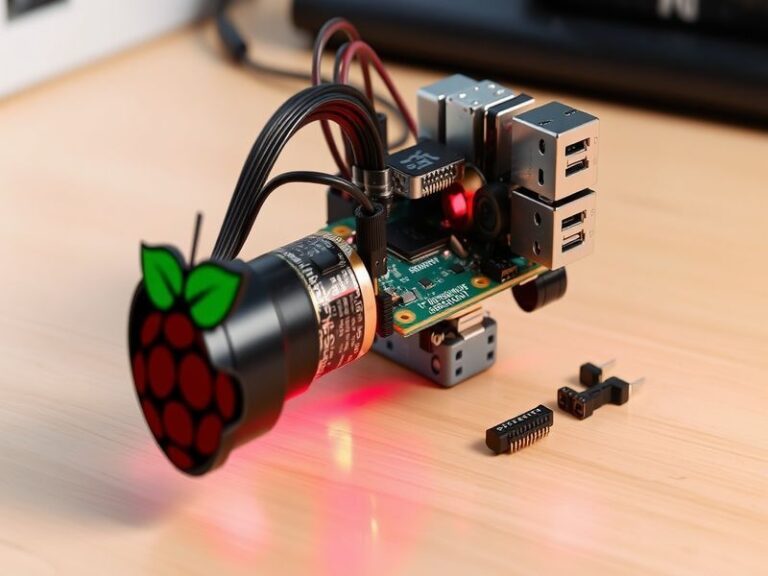
- Raspberry Pi: A small, affordable computer that can run your AI models.
- Camera Module: A compatible camera module for the Raspberry Pi, such as the Raspberry Pi Camera Module v2.
- Power Supply: Ensure you have a reliable power source to operate your Raspberry Pi.
- MicroSD Card: A card with sufficient storage for the operating system and your AI models.
- Neural Network Model: Pre-trained models for image classification and object detection, such as TensorFlow Lite or MobileNet.
- Software Libraries: Libraries like OpenCV for image processing and TensorFlow for deploying your models.
Step-by-Step Assembly
Once you have all the components, follow these steps to assemble your AI vision camera:
- Set Up the Raspberry Pi: Download and install the Raspberry Pi OS on your MicroSD card. Insert the card into the Raspberry Pi and boot it up.
- Connect the Camera Module: Attach the camera module to the Raspberry Pi using the designated port, ensuring a secure connection.
- Install Required Software: Use the terminal to install necessary libraries like OpenCV and TensorFlow Lite. This step will also involve updating the package list and upgrading existing packages.
- Download a Pre-trained Model: Acquire a pre-trained model suitable for your project. TensorFlow provides various models for different applications, including image classification and object detection.
- Write the Code: Write a Python script to capture images, process them using the neural network, and display the results. This will involve using the OpenCV library to handle image processing tasks.
- Test Your Camera: Run your script and verify that the camera is capturing images and classifying them correctly. Troubleshoot any issues that arise during testing.
Practical Insights
Building your own AI vision camera offers numerous practical insights:
- Hands-On Experience: Gain hands-on experience with hardware and software integration, providing a deeper understanding of AI and computer vision principles.
- Customization: Tailor the camera’s capabilities to specific applications, such as monitoring wildlife or enhancing security systems.
- Cost-Effective Learning: Experimenting with DIY projects is often more affordable than purchasing commercial solutions, making it accessible for enthusiasts and professionals alike.
Industry Implications
AI vision technology has the potential to revolutionize various industries:
- Security: AI cameras can improve surveillance systems by offering real-time analysis and alerts based on detected activities.
- Healthcare: Vision systems can assist in diagnostics by analyzing medical images with greater accuracy and speed.
- Agriculture: Farmers can utilize AI cameras to monitor crop health and detect pests, enhancing productivity and sustainability.
- Retail: Retailers can implement AI vision technology for inventory management and customer behavior analysis.
Future Possibilities
The future of DIY AI vision cameras is promising, with several trends on the horizon:
- Edge Computing: As edge devices become more powerful, on-device processing will allow for faster and more efficient image analysis without relying on cloud service.
- Enhanced Models: Continuous improvements in neural network architectures will lead to more accurate and capable models, making DIY projects even more effective.
- Integration with IoT: AI vision cameras will increasingly integrate with Internet of Things (IoT) devices, enabling smarter environments and automation.
- Accessibility: As tools and resources become more widely available, more individuals will have the opportunity to explore AI vision technology, driving innovation.
In conclusion, building your own AI vision camera is not just a fun and educational project; it opens the door to countless applications across various industries. As technology continues to evolve, the capabilities of DIY AI cameras will only expand, paving the way for innovative solutions to complex challenges.