Transforming Headphones into Real-Time Translators
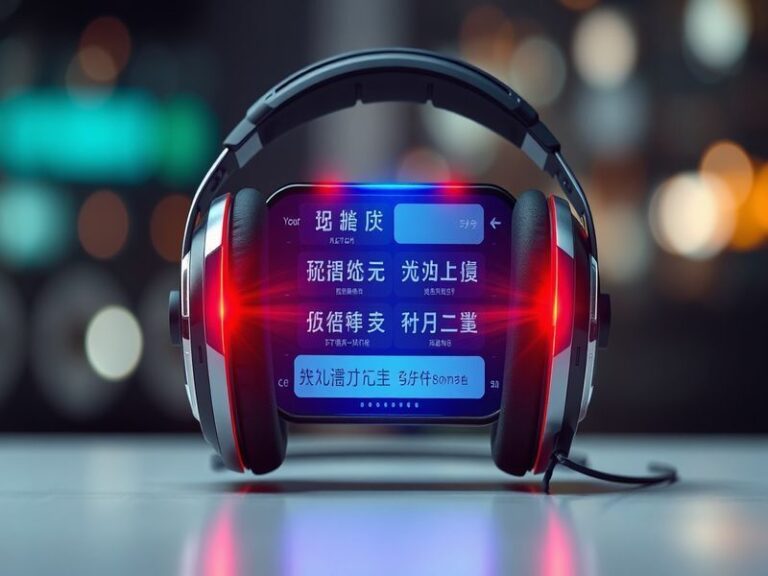
In an era where global connectivity is at an all-time high, communication barriers still pose a challenge. However, Google’s latest innovation is set to change the landscape of how we communicate across languages. By integrating real-time translation capabilities directly into headphones, Google is not just enhancing audio experiences but revolutionizing how we interact in a multilingual world. This article delves into the technology behind this innovation, its practical applications, industry implications, and future possibilities.
The Technology Behind Real-Time Translation
At the core of this groundbreaking feature lies advanced artificial intelligence (AI) and machine learning (ML) algorithms. Here’s how they come together:
- Speech Recognition: The headphones utilize sophisticated speech recognition technology that converts spoken language into text.
- Natural Language Processing (NLP): This technology analyzes the text to determine its meaning and context, allowing for more accurate translations.
- Translation Algorithms: Leveraging vast datasets, these algorithms translate the text into the desired language in real-time.
- Audio Output: The translated text is then converted back into speech, providing users with an audible translation.
Google’s approach employs deep learning techniques to improve the accuracy and context of translations, making it capable of handling nuances and colloquialisms in over 70 languages.
Practical Insights and Applications
The implications of real-time translation in headphones go beyond mere convenience. Here are some practical insights into how this feature can be utilized:
- Travel: Tourists can navigate foreign countries more easily, engaging with locals without the need for a translator.
- Business: International meetings can become seamless, helping professionals communicate effectively regardless of language barriers.
- Education: Students can learn languages in a more immersive way, receiving real-time translations during lectures or discussions.
- Cultural Exchange: This technology can foster greater understanding and appreciation of diverse cultures through direct communication.
Moreover, the ability to engage in real-time conversations with speakers of different languages can lead to enhanced collaboration and innovation in various fields, including technology, healthcare, and education.
Industry Implications
The introduction of real-time translation in headphones poses significant implications for multiple industries:
- Telecommunications: Companies may need to adapt their services to accommodate this new mode of communication, potentially leading to a decline in traditional translation services.
- Consumer Electronics: Headphone manufacturers may prioritize integrating AI features, leading to a new competitive landscape focused on innovation.
- Tourism and Hospitality: Hotels and travel agencies could start offering these devices to enhance guest experiences, making multilingual services more accessible.
- Education: Schools and universities may incorporate these technologies into their curriculum, reshaping language learning methodologies.
This shift towards AI-powered communication tools also raises questions about data privacy and security, as real-time translations require processing sensitive audio information. Companies will need to address these concerns to build trust with users.
Future Possibilities
The future of real-time translation technology in headphones appears bright and full of potential. Here are some possibilities we might see:
- Integration with Augmented Reality (AR): Imagine wearing AR glasses that not only provide visual information but also translate spoken language in real-time, creating an immersive communication experience.
- Customization: Users may be able to customize their translation preferences, selecting dialects or specific terminologies relevant to their industry or interests.
- Cross-Platform Functionality: Future developments could lead to the integration of this technology across various devices, including smartphones, smartwatches, and home assistants.
- Enhanced Contextual Understanding: As AI continues to advance, we can expect improvements in understanding cultural nuances and context, leading to even more accurate translations.
As we stand on the brink of this technological revolution, the potential for AI-driven real-time translation to reshape our world is immense. It not only transforms how we communicate but also fosters a greater understanding among diverse cultures, paving the way for a more connected global community.