AI Data Centers: The Energy Dilemma
As artificial intelligence (AI) continues to advance and permeate various sectors, the demand for data centers has surged dramatically. These facilities are pivotal in supporting the vast computational needs of AI models, but they also raise a critical question: How much energy do they consume, and what are the implications of this consumption? In this article, we will debunk several myths surrounding data centers and their role in energy consumption while providing practical insights, industry implications, and future possibilities.
Understanding Data Centers and Their Function
Data centers are specialized facilities designed to house computer systems and associated components, such as telecommunications and storage systems. They play a vital role in processing, storing, and disseminating data. With the rise of AI, data centers have become increasingly important because:
- They facilitate the training of complex AI models that require significant computational resources.
- They support real-time data processing for applications such as machine learning and big data analytics.
- They enable cloud computing services that make AI accessible to businesses of all sizes.
Myth 1: Data Centers are the Largest Energy Consumers
One common misconception is that data centers are the largest consumers of energy worldwide. While they do consume a significant amount of energy—approximately 1-2% of the global total—this figure is often exaggerated. In fact, several other sectors, including transportation and manufacturing, consume far more energy. According to a report from the International Energy Agency (IEA), data center energy consumption is expected to remain relatively stable, even as demand for their services grows, largely due to advancements in energy efficiency.
Myth 2: AI Makes Data Centers Inefficient
Another prevalent myth is that AI contributes to the inefficiency of data centers by requiring ever-increasing computational power. However, this is not entirely accurate. AI can actually enhance energy efficiency in several ways:
- **Optimized Resource Allocation**: AI algorithms can dynamically allocate resources based on real-time demand, ensuring that energy is used only when necessary.
- **Predictive Maintenance**: Machine learning can identify potential equipment failures before they occur, reducing energy waste and prolonging the life of hardware.
- **Cooling Efficiency**: AI can optimize cooling systems in data centers, which are traditionally one of the largest energy consumers.
Myth 3: Renewable Energy is Not an Option for Data Centers
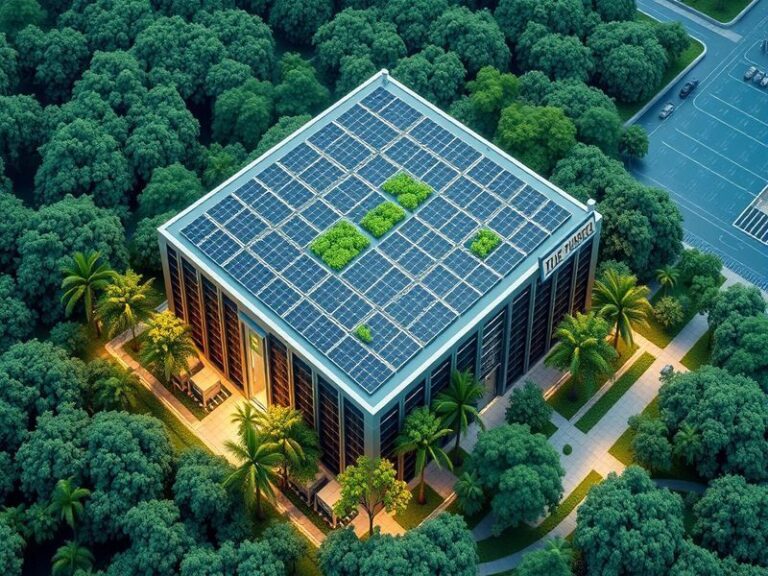
Many people believe that data centers are heavily reliant on fossil fuels, but this perception is shifting. A growing number of tech companies are committing to sustainability and are investing in renewable energy sources. For example:
- Google has been carbon-neutral since 2007 and aims to operate entirely on renewable energy by 2030.
- Microsoft plans to be carbon negative by 2030, focusing on sustainable data center operations.
- Amazon Web Services (AWS) has been investing heavily in wind and solar energy projects to support its data centers.
Industry Implications
The shift towards energy-efficient data centers and the adoption of renewable energy sources have significant implications for the tech industry:
- Investment in Green Technology: Companies are increasingly investing in energy-efficient technologies and practices, which can lead to reduced operational costs and a lower carbon footprint.
- Regulatory Compliance: As governments around the world implement stricter regulations regarding energy consumption and carbon emissions, companies that prioritize sustainability will have a competitive advantage.
- Consumer Preference: There is a growing preference among consumers for brands that demonstrate a commitment to sustainability, influencing purchasing decisions and brand loyalty.
Future Possibilities
The future of AI data centers is promising, characterized by innovation and sustainability. Here are some possibilities we might see:
- Advanced Cooling Technologies: Innovations in cooling technologies, such as liquid cooling and immersion cooling, could significantly reduce energy consumption.
- AI-driven Energy Management: As AI technologies evolve, we can expect more sophisticated energy management systems that will allow data centers to operate more efficiently than ever before.
- Decentralized Data Centers: The rise of edge computing may lead to smaller, decentralized data centers that reduce latency and energy consumption by processing data closer to the source.
In conclusion, the narrative surrounding AI data centers and energy consumption is complex and often misunderstood. By debunking common myths and highlighting the potential for energy efficiency and sustainability, we can foster a more informed discussion about the future of data centers in the AI landscape.