The Skill Reverse-Engineer: A New Approach to Learning
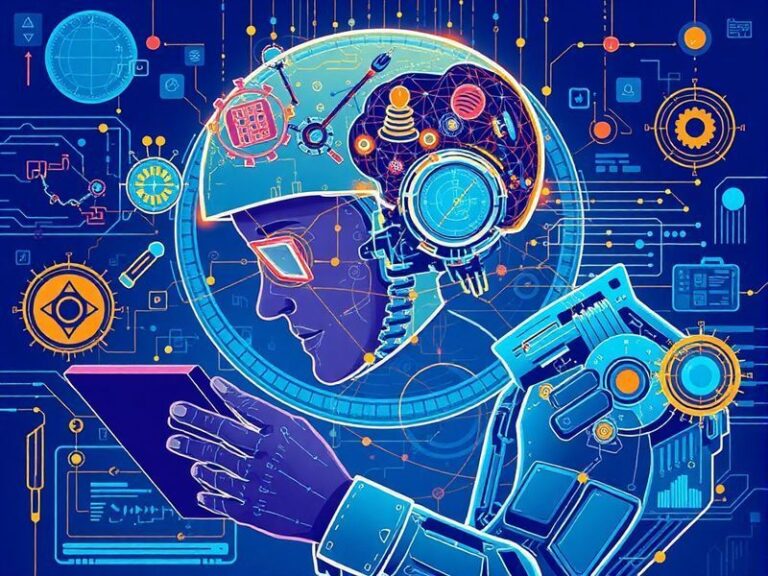
In an era where skills are the currency of the modern workforce, the traditional methods of learning are being challenged. As technology evolves, so does the way we acquire knowledge and expertise. Enter the concept of skill reverse-engineering, a groundbreaking approach that utilizes artificial intelligence (AI) to deconstruct skills into manageable components, allowing for effective practice and mastery.
Understanding Skill Reverse-Engineering
Skill reverse-engineering is the process of breaking down complex skills into smaller, more digestible parts. This method enables learners to focus on specific components, gradually building up to the complete skill set. By leveraging AI technologies, individuals can receive personalized feedback and adaptive learning pathways that cater to their unique needs.
How AI Facilitates Skill Breakdown
AI plays a pivotal role in skill reverse-engineering through:
- Data Analysis: AI systems can analyze vast amounts of data to identify the critical components of a skill based on proficiency levels and learning speeds.
- Personalized Learning: Machine learning algorithms can tailor educational content and practice exercises to match an individual’s current skill level and learning pace, making the process more efficient.
- Real-Time Feedback: AI-driven platforms can provide instant feedback, allowing learners to adjust their practice strategies in real-time and improve more quickly.
Practical Insights on Skill Reverse-Engineering
Implementing skill reverse-engineering requires a systematic approach. Here are some practical steps to get started:
- Identify the Skill: Determine the skill you wish to master, whether it’s coding, a new language, or a musical instrument.
- Analyze Skill Components: Use AI tools to break down the skill into essential components. For instance, if learning to play guitar, components might include chord progression, strumming patterns, and finger placement.
- Set Achievable Goals: Define specific, measurable goals for each component. For example, aim to master a particular chord within a week.
- Utilize AI Tools: Engage with AI-powered learning platforms that offer personalized practice routines and real-time feedback.
- Reflect and Adjust: Regularly assess your progress and adjust your learning strategies as needed based on feedback and performance.
Industry Implications
The implications of skill reverse-engineering extend beyond individual learners. Businesses and educational institutions stand to gain significantly from this approach:
- Enhanced Workforce Development: Companies can utilize AI to identify skill gaps and implement targeted training programs that are efficient and effective.
- Improved Learning Outcomes: Educational institutions can adopt skill reverse-engineering methodologies to tailor their curricula, ensuring students acquire the necessary competencies for their future careers.
- Continuous Learning Culture: As the job market evolves, fostering a culture of continuous learning through AI-driven skill breakdown can help organizations stay competitive.
Future Possibilities
The future of skill reverse-engineering looks promising, with several exciting developments on the horizon:
- Integration with Virtual Reality (VR): Combining AI with VR could create immersive learning environments where skills can be practiced in realistic scenarios.
- Collaborative Learning Platforms: AI could facilitate peer learning by connecting individuals with similar goals, allowing them to share insights and strategies.
- Broader Accessibility: As AI tools become more sophisticated and affordable, skill reverse-engineering may be accessible to a wider audience, democratizing learning opportunities.
Ultimately, skill reverse-engineering represents a paradigm shift in how we approach learning in the digital age. By breaking down skills into manageable components and utilizing AI for personalized feedback and adaptive learning, we can enhance our ability to acquire new competencies effectively.
As we continue to embrace the integration of AI in education and professional development, the possibilities for individual growth and organizational success are boundless. Skill reverse-engineering is not just a trend; it is the future of learning.