AI’s Role in Modern Warfare
Artificial Intelligence (AI) has rapidly transformed various sectors, and its influence on military operations is one of the most profound and contentious areas of its application. Systems like Grok, developed to enhance decision-making and operational efficiency, are at the forefront of this transformation. As militaries around the globe integrate AI into their strategies, it is crucial to analyze not just the capabilities of these technologies, but also the ethical debates that accompany their deployment.
The Emergence of AI in Military Operations
AI technologies are increasingly being employed in a range of military applications, including:
- Data Analysis: AI systems can process vast amounts of data from various sources, providing actionable insights for military analysts.
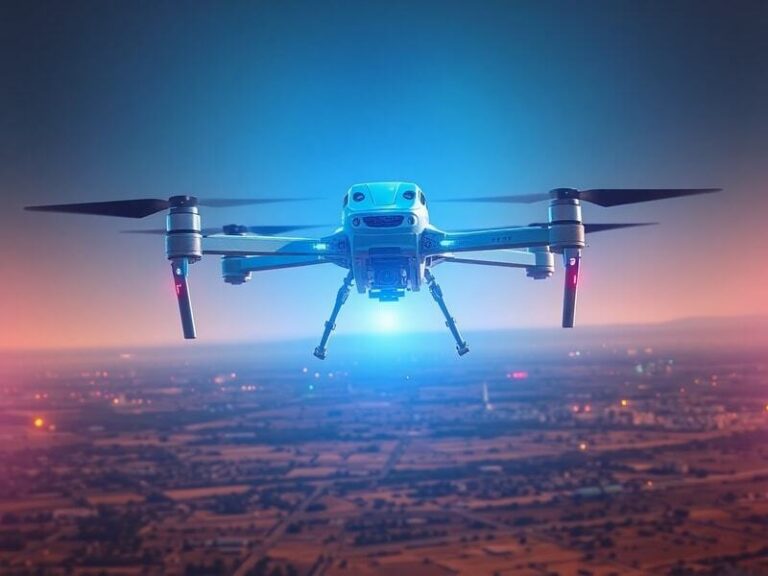
- Autonomous Vehicles: Drones and ground vehicles equipped with AI can operate with minimal human intervention, enhancing operational capabilities.
- Cyber Warfare: AI can identify vulnerabilities in networks faster than human analysts, allowing for preemptive actions against cyber threats.
Grok, a prominent AI system, exemplifies these advancements. It utilizes machine learning algorithms to predict enemy movements, optimize resource allocation, and assess battlefield conditions in real-time, enabling commanders to make informed decisions swiftly.
The Benefits of AI Integration in Warfare
The integration of AI into military operations offers several benefits:
- Enhanced Efficiency: AI can automate mundane tasks, freeing up military personnel to focus on strategic planning and execution.
- Improved Accuracy: AI-driven systems can reduce human error in targeting and logistics, leading to more precise operations.
- Increased Speed: Decision-making processes can be accelerated, allowing for rapid responses to dynamic battlefield conditions.
These advantages can provide a strategic edge in modern warfare, which is increasingly characterized by speed, precision, and data-driven operations.
Ethical Considerations
While the benefits of AI in military applications are significant, they raise profound ethical questions:
- Autonomous Weapons: The use of AI to control lethal autonomous weapons poses moral dilemmas. Should machines have the authority to make life-and-death decisions?
- Accountability: In the event of a malfunction or an unintended consequence, who is held accountable? The developer, the military, or the AI itself?
- Bias and Fairness: AI systems can perpetuate existing biases present in their training data, leading to unjust outcomes in conflict scenarios.
The debate over these ethical concerns is becoming increasingly urgent as AI technologies continue to evolve and proliferate in military contexts.
Industry Implications
The integration of AI into military operations has significant implications for the defense industry:
- Investment in AI Research: Defense contractors are heavily investing in AI research and development to create advanced military solutions.
- Partnerships with Tech Companies: Collaboration between military organizations and tech firms is becoming common to leverage cutting-edge AI advancements.
- Regulatory Frameworks: As governments grapple with the ethical implications, there is a growing need for frameworks to govern the use of AI in warfare.
These trends indicate that the defense landscape is evolving, with AI becoming a cornerstone of military strategy and operations.
Future Possibilities
The future of AI in modern warfare is both exciting and daunting. Potential developments include:
- Enhanced Human-Machine Collaboration: Future AI systems may work alongside human operators, augmenting their capabilities while allowing for ethical oversight.
- Advanced Predictive Analytics: AI could evolve to predict not just enemy movements but also potential conflicts, enabling preemptive strategies.
- Global AI Governance: As AI technologies become more integrated into military operations, international treaties may emerge to regulate their use and ensure compliance with humanitarian laws.
As we look ahead, the balance between leveraging AI for tactical advantages and maintaining ethical standards will be critical in shaping the future of warfare.
In conclusion, AI’s role in modern warfare is multifaceted, offering both transformative benefits and ethical challenges. As systems like Grok continue to influence military operations, the conversations surrounding their implications will be vital for shaping a responsible and effective approach to the future of conflict.