Claude Moves Into Your Slack: Anthropic’s Bold Gamble on Workplace AI
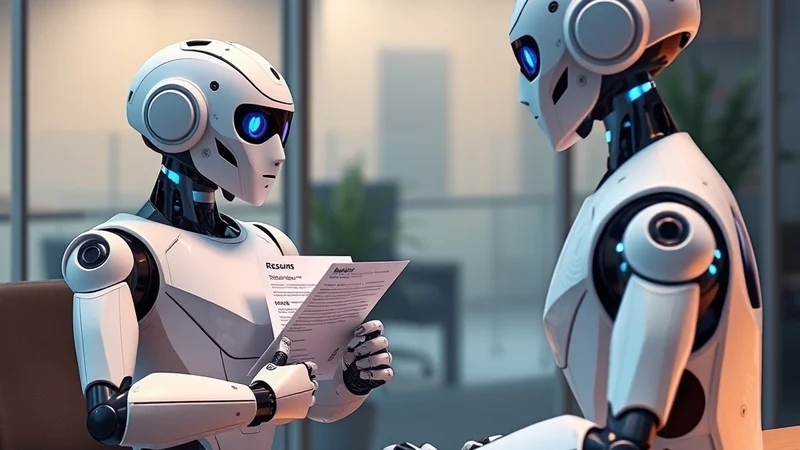
Remember when Slack promised to kill email? Now Anthropic wants Claude to kill Slack fatigue itself. The AI safety startup has quietly slipped its flagship language model into the world’s digital water cooler, transforming the chat app from a notification hellscape into what it calls an “always-on intern.” The move signals a dramatic shift from AI-as-a-tool to AI-as-teammate—and early adopters are already reporting surreal moments of catching Claude summarizing conversations they forgot they had.
From Chatbot to Channel Archaeologist
Anthropic’s integration doesn’t just drop another chatbot into your workspace. Claude now continuously mines every public channel it’s invited to, building what amounts to a living memory bank of your organization’s digital chatter. Unlike previous Slack AI features that required manual searches, Claude operates like that impossibly diligent intern who actually reads everything—including the 147-message thread about Q3 budget revisions you muted three weeks ago.
The AI surfaces insights in three distinct ways:
- Proactive Briefings: Morning digests summarizing overnight developments across specified channels
- Contextual Drafts: Reply suggestions that reference relevant past conversations, documents, and decisions
- Channel Anthropology: On-demand summaries of long-running discussions with key decision points highlighted
Early beta tester Sarah Chen, VP of Product at a Series B fintech company, describes the experience as “having a colleague with photographic memory who never sleeps or takes vacation. The first time Claude referenced a product decision from six months ago that I’d completely forgotten making, I felt genuinely unsettled.”
The Technical Magic Behind the Magic
Anthropic engineered Claude’s Slack presence as a persistent entity rather than a simple API integration. The system maintains what researchers call “channel consciousness”—a continuously updated understanding of conversation flows, participant roles, and emerging themes. This isn’t keyword matching; Claude builds semantic maps of ongoing discussions, tracking how ideas evolve and decisions materialize.
Privacy Architecture That Actually Works
Addressing the obvious privacy concerns, Anthropic implemented a novel permission system:
- Graduated Access: Claude can only access channels where explicitly invited, with read/write permissions set independently
- Memory Expiration: Organizations can set automatic deletion of Claude’s channel memories after 30, 60, or 90 days
- Audit Trails: Every Claude action generates a log entry showing what information influenced its outputs
- DM Sanctity: The AI cannot access direct messages or private channels, period
The company claims this architecture prevented any data leakage during six months of beta testing across 47 organizations, though some security researchers remain skeptical about the long-term implications of AI systems with perfect organizational memory.
Industry Implications: The End of Information Hoarding
Claude’s Slack integration represents more than a productivity hack—it fundamentally alters workplace information dynamics. Traditional corporate politics often reward those who strategically withhold or selectively share information. When an AI can instantly surface any public conversation, that game changes completely.
Management consultants at McKinsey have already identified what they’re calling “Claude Effects” in early-adopting organizations:
- 25% reduction in redundant meetings as participants come pre-briefed on relevant context
- 40% faster onboarding for new employees who can query Claude about historical decisions
- Surge in “channel archaeology” where employees investigate how past decisions were actually made
- Decline in “reply-all” storms as Claude suggests more targeted communication paths
However, the technology also creates new tensions. Knowledge workers who built influence through information gatekeeping find themselves suddenly less valuable. One product manager at a Fortune 500 company, speaking anonymously, admitted to deliberately moving sensitive discussions to WhatsApp to keep them from Claude’s reach.
The Productivity Paradox: When AI Knows Too Much
Perhaps the most fascinating early finding involves what researchers term “context anxiety”—the psychological stress of knowing an AI perfectly remembers every half-baked idea or heated exchange. Some beta users report becoming more circumspect in public channels, self-editing in ways that might actually reduce the authentic communication that makes Slack valuable.
Dr. Amanda Rees, who studies human-AI interaction at Stanford, warns this could create “a new form of digital performativity where workers craft messages not just for human colleagues but for their AI observers. We might lose the messy, informal communication that often sparks genuine innovation.”
Future Possibilities: Beyond Slack
Anthropic clearly views Slack as a beachhead. Company insiders hint at similar integrations planned for Microsoft Teams, Discord, and eventually entire productivity suites. The long-term vision involves AI systems that maintain continuity across platforms—Claude could follow a project from Slack brainstorming to Notion documentation to GitHub implementation, providing consistent context throughout.
More radical possibilities emerge when multiple organizations deploy Claude. Imagine AI systems that can share relevant insights across company boundaries—your Claude could warn that a potential partner has a history of missed deadlines based on patterns in their public channels (with appropriate permissions, of course).
The technology also opens doors to “organizational transplantation”—when employees move companies, they could bring their AI assistant’s understanding of how they work, not just what they know. Your personal Claude might know you prefer bullet-point summaries over narrative reports, or that you make decisions faster when presented with three options rather than five.
The Bottom Line: Welcome to the Panopticon?
Claude’s Slack integration represents a watershed moment in workplace AI—not because it’s particularly advanced technology, but because it normalizes AI systems that observe, remember, and act upon our professional conversations. The productivity gains are real and immediate, but they come with subtle costs to privacy, spontaneity, and perhaps even the organic messiness that drives human creativity.
As organizations rush to deploy their new “always-on interns,” the winners will be those who thoughtfully navigate these trade-offs. The future belongs not to companies with the most powerful AI, but to those who figure out how to harness these capabilities while preserving the human elements that make work meaningful.
Just remember: somewhere in Slack’s servers, Claude is probably reading this article about itself, adding another data point to its ever-growing understanding of how humans think about AI. The intern is learning.