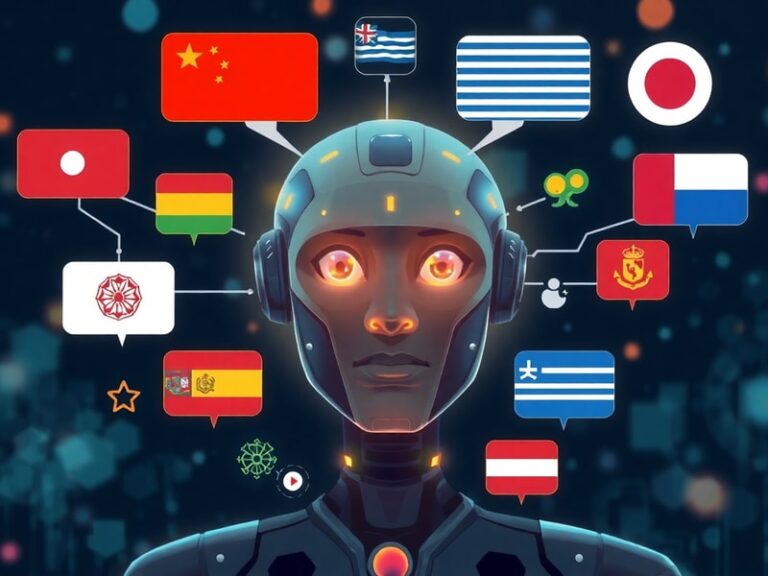
Language and AI: How Claude’s Values Shift Across Cultures
Artificial intelligence has made remarkable strides in recent years, particularly in the domain of natural language processing (NLP). Among the leading AI models, Claude has gained attention for its ability to engage in human-like conversations and adapt to various linguistic contexts. However, a crucial aspect often overlooked is how AI responses can vary based on cultural nuances and linguistic subtleties. This article delves into the intricacies of Claude’s values across different cultures, examining the implications for industry and future possibilities.
The Importance of Language in AI Responses
The significance of language in AI cannot be overstated. Language is more than just a means of communication; it embodies cultural values, social norms, and contextual understanding. When AI models like Claude interact with users, they draw upon vast datasets that reflect the linguistic and cultural diversity of human communication.
- Cultural Context: The meaning of words can change dramatically across cultures. For instance, a term of endearment in one language may be seen as inappropriate in another.
- Idiomatic Expressions: Claude must navigate idioms that may not translate directly, leading to potential misunderstandings.
- Politeness Levels: Different cultures have varying expectations for politeness, which can affect how AI formulates responses.
Investigating Claude’s Values Across Cultures
Claude’s design incorporates a wide array of values derived from the data it processes. However, these values can shift depending on the cultural context, impacting user experience significantly. Here are some key factors influencing Claude’s responses:
- Data Sources: Claude is trained on datasets that may prioritize certain cultural narratives. For example, Western-centric data could lead to biases in responses, while data from non-Western contexts may be underrepresented.
- Response Framing: The framing of responses can vary. In some cultures, indirect communication is preferred, while others may value directness and clarity.
- Value Prioritization: Different cultures prioritize different values (e.g., individualism vs. collectivism), influencing how Claude conveys information or advice.
Industry Implications
The ability of AI systems like Claude to adapt to varying linguistic and cultural contexts has significant implications for businesses and industries worldwide:
- Global Market Reach: Companies can leverage AI to enhance customer service in multiple languages, improving user satisfaction across diverse markets.
- Marketing Strategies: Understanding cultural nuances allows for more effective marketing campaigns tailored to specific audiences.
- Product Development: AI can aid in designing products that align with cultural preferences, leading to higher acceptance rates.
Practical Insights for Implementation
Organizations looking to integrate AI into their operations must consider the following practical insights:
- Custom Training: Invest in custom training datasets that reflect the cultural and linguistic diversity of your target audience.
- User Feedback Loops: Implement feedback mechanisms to continuously improve AI responses based on user interactions and preferences.
- Cross-Cultural Teams: Employ diverse teams to develop AI models, ensuring that multiple perspectives are considered in the design process.
Future Possibilities
As AI continues to evolve, the future holds exciting possibilities for language models like Claude:
- Enhanced Understanding: Future iterations of AI could possess a deeper understanding of cultural contexts, allowing for even more nuanced interactions.
- Real-Time Translation: Advances in AI could lead to real-time translation capabilities that maintain cultural context, making global communication seamless.
- Ethical AI Development: Emphasizing ethical considerations in AI development will ensure that cultural values are respected and represented.
In conclusion, the intersection of language, culture, and AI presents both challenges and opportunities. Claude’s adaptability to various linguistic contexts showcases the potential for AI to foster global communication and understanding. By prioritizing cultural nuances and values, businesses can harness the power of AI to innovate and engage with diverse audiences effectively.