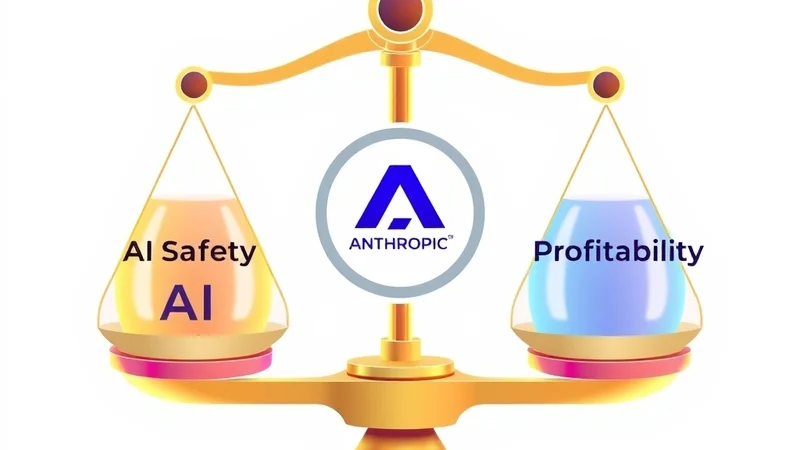
Anthropic’s Stance on Open Models: Understanding the Company’s Position on AI Model Regulations
As artificial intelligence (AI) continues to permeate various aspects of our society, the conversation surrounding AI model regulations becomes increasingly critical. One of the key players in this dialogue is Anthropic, a company dedicated to developing AI in a safe and beneficial manner. This article delves into Anthropic’s stance on open models and regulations, exploring the implications for the industry and the future of AI technology.
Understanding Anthropic’s Mission
Founded by former OpenAI researchers, Anthropic aims to build AI that aligns with human values. At the core of their philosophy is a commitment to safety, transparency, and ethical considerations. Anthropic believes that as AI systems grow more powerful, it is essential to ensure they are not only effective but also aligned with societal norms and expectations.
The Importance of Open Models
Open models refer to AI systems that are accessible for public use, modification, and study. Anthropic supports the idea that openness fosters innovation and collaboration across the AI community. Here are some reasons why Anthropic champions open models:
- Transparency: Open models allow researchers and developers to scrutinize algorithms and datasets, promoting accountability.
- Collaboration: By sharing models, companies can work together to improve AI technologies, ultimately benefiting everyone.
- Fostering Innovation: Open access to models can lead to new applications and solutions, driving the AI field forward.
Regulatory Considerations and Industry Implications
While Anthropic advocates for open models, they also recognize the need for regulations to ensure the responsible use of AI technologies. Here are some regulatory considerations that may impact the industry:
- Data Privacy: Regulations will likely require stricter data handling practices to protect user information.
- Accountability: Developers may need to demonstrate that their models are safe and do not propagate bias.
- Transparency Requirements: Companies may be mandated to disclose their methodologies and datasets.
These regulations can have various implications for the industry, including:
- Increased Compliance Costs: Companies may face higher operational costs to meet regulatory standards.
- Impact on Innovation: Stricter regulations could slow down the pace of innovation as companies navigate compliance.
- Enhanced Trust: On the flip side, regulations could lead to increased consumer trust in AI technologies, fostering wider adoption.
Future Possibilities in AI Development
As Anthropic continues to explore the balance between open models and necessary regulations, several future possibilities emerge for AI development:
- Standardization of Best Practices: The industry may come together to establish best practices for developing and deploying AI models.
- Adaptive Regulatory Frameworks: Regulations could evolve alongside technology, creating a more dynamic approach to governance.
- Broader Collaborations: Partnerships between tech companies, regulatory bodies, and academia could lead to innovative solutions for complex challenges.
Conclusion
Anthropic’s position on open models and AI regulations highlights a pivotal moment in the evolution of artificial intelligence. By advocating for openness while acknowledging the need for regulatory frameworks, Anthropic seeks to pave a path toward a future where AI is not only powerful but also safe and aligned with human values. As the industry continues to evolve, the balance between innovation and responsibility will remain at the forefront of discussions, shaping the next generation of AI technologies.