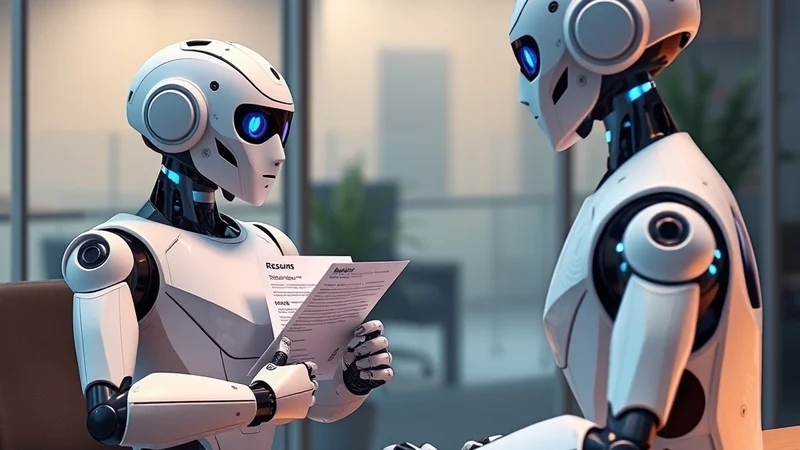
The Perfect Storm: Why AI’s Job Disruption Could Eclipse the Dot-Com Revolution
The 1990s technology boom transformed the global economy, creating millions of new jobs while rendering others obsolete. Today, economists warn that artificial intelligence’s impact on employment could make that era seem quaint by comparison. Unlike the gradual digital transformation of three decades ago, AI’s integration into the workforce is accelerating against a backdrop of unprecedented challenges: retreating globalization, an aging population, and persistent inflation.
Recent analysis from leading economic institutions suggests we’re facing a “perfect storm” of labor market disruption. The World Economic Forum projects that AI could displace 85 million jobs by 2025, while creating 97 million new ones. However, these headline numbers mask a more complex reality that has economists increasingly concerned.
The Three Forces Amplifying AI’s Impact
1. The Retreat of Globalization
The 1990s tech boom coincided with peak globalization, which created new markets and job opportunities that offset technological displacement. Workers who lost manufacturing jobs could transition to growing service sectors. Today, protectionist policies and supply chain reshoring are closing these safety valves.
Key differences from the ’90s:
- Trade barriers are rising, not falling
- Companies are prioritizing automation over offshoring
- International labor arbitrage opportunities are shrinking
2. The Silver Tsunami
The aging workforce presents a double-edged challenge. While AI could help fill labor shortages in healthcare and elderly care, it also threatens to displace older workers who struggle to adapt. Unlike younger employees, workers over 50 face significant barriers to reskilling and often carry financial obligations that make career transitions particularly painful.
3. Inflation’s Complicating Factor
The 1990s enjoyed relatively stable prices, giving businesses room to invest in worker retraining. Today’s inflationary environment creates pressure for immediate productivity gains, accelerating AI adoption at the expense of human workers. Companies facing rising costs are more likely to automate quickly rather than invest in human capital development.
Industry-Specific Disruption Patterns
Knowledge Work: The New Frontier
While the ’90s revolution primarily affected blue-collar workers, AI’s initial targets include highly educated professionals. Law firms, accounting practices, and consulting companies are already implementing AI systems that can perform tasks previously requiring years of human training.
Most vulnerable white-collar roles:
- Paralegals and legal researchers
- Junior analysts and data processors
- Customer service representatives
- Basic financial advisors
- Content creators and copywriters
The Creative Conundrum
Perhaps most unsettling is AI’s rapid encroachment on creative fields long considered uniquely human. Tools like DALL-E, Midjourney, and GPT-4 can generate content that previously required human creativity, threatening everyone from graphic designers to musicians.
Practical Strategies for Navigating the Transition
For Individual Workers
Surviving the AI transition requires proactive adaptation. Unlike the ’90s, when basic computer literacy sufficed, today’s workers must develop complementary skills that enhance rather than compete with AI capabilities.
Essential skills for the AI era:
- AI literacy: Understanding how to work with and manage AI systems
- Emotional intelligence: Building relationships and managing teams
- Creative problem-solving: Tackling novel challenges AI can’t address
- Ethical reasoning: Navigating complex moral decisions
- Adaptability: Continuously learning and evolving
For Businesses
Companies face a critical choice: use AI to simply cut costs or to enhance human capabilities. Research suggests that “augmentation strategies” outperform “replacement strategies” in the long run, creating more sustainable competitive advantages.
Successful AI integration approaches:
- Gradual implementation with worker involvement
- Investment in employee reskilling programs
- Focus on human-AI collaboration models
- Transparent communication about AI’s role
- Ethical guidelines for AI deployment
The Policy Response Challenge
Governments face pressure to respond more aggressively than during the ’90s tech boom. The European Union’s AI Act and various national AI strategies represent early attempts to manage the transition, but critics argue they don’t go far enough.
Emerging policy proposals include:
- Universal basic income pilots
- Rights to human interaction in essential services
- AI displacement insurance programs
- Mandatory retraining funds from AI-adopting companies
- Progressive taxation on automation
Future Possibilities: Beyond the Disruption
While the near-term outlook appears challenging, history suggests that technological revolutions ultimately create more prosperity than they destroy. The key difference this time is the pace of change and the concentration of benefits.
Potential Positive Outcomes
If managed wisely, the AI revolution could address many pressing challenges:
- Healthcare accessibility: AI could democratize access to quality medical advice
- Education personalization: Individualized learning could help more people develop valuable skills
- Environmental solutions: AI could accelerate climate change mitigation
- Economic inclusion: New business models could create opportunities in underserved communities
The Critical Decade Ahead
Economists emphasize that the next ten years will be decisive. Unlike the gradual transformation of the ’90s, AI’s impact is compressed into a shorter timeframe, requiring immediate action from individuals, businesses, and governments.
The companies and countries that successfully navigate this transition will likely be those that view AI not as a replacement for human workers but as a tool for human empowerment. This requires intentional choices about technology development, education investment, and social safety nets.
As we stand at this historical inflection point, the lessons from the ’90s tech boom remain relevant: technological progress is inevitable, but its human impact depends on the choices we make today. The challenge is making those choices faster and more deliberately than ever before.