
A Pocket-Sized AI Brain: Efficiency through Biological Design
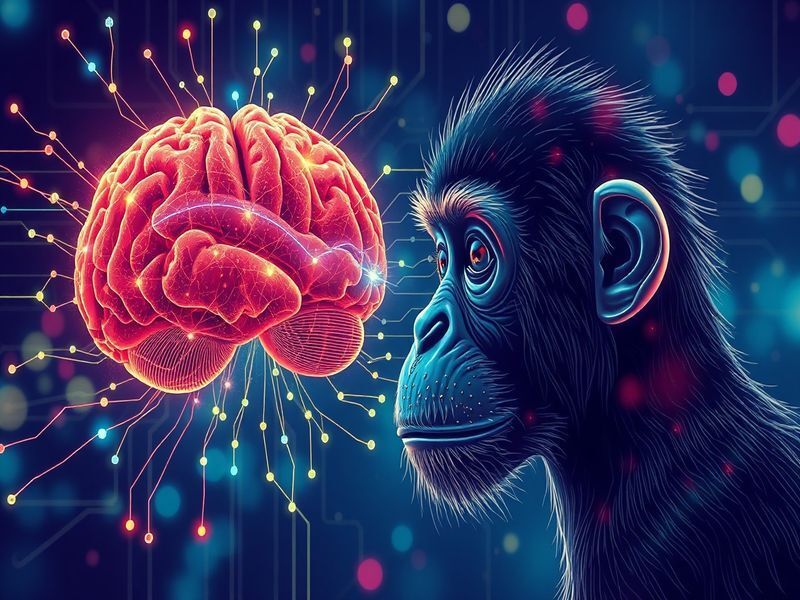
In the ever-evolving landscape of artificial intelligence, researchers are taking cues from nature to innovate AI models, creating systems that emulate biological processes. One of the most fascinating developments in this domain is the design of AI models inspired by the neural architecture of monkey brains. This article explores how these innovations enhance efficiency in AI, their implications for various industries, and the exciting future possibilities they bring.
Understanding the Biological Inspiration
The human brain, and by extension, the brains of other primates like monkeys, are marvels of biological engineering. They operate with remarkable efficiency, processing vast amounts of information while consuming minimal energy. Researchers are now delving into the intricate workings of monkey neurons to glean insights that can be transposed onto artificial neural networks.
Monkey neurons exhibit unique properties that contribute to their efficiency:
- Adaptive Learning: Monkey neurons are adept at adjusting their firing rates in response to stimuli, allowing them to learn from experience.
- Parallel Processing: The brain processes multiple inputs simultaneously, enabling quicker decision-making.
- Energy Efficiency: Biological neurons consume significantly less energy than current AI hardware, which is crucial for sustainable development in technology.
Innovations in AI Models
The integration of biological principles into AI has led to several groundbreaking innovations:
- Neuromorphic Computing: This approach mimics the structure and function of biological neural networks, allowing machines to process information more like a human brain.
- Spiking Neural Networks (SNNs): Unlike traditional neural networks, SNNs use spikes (short bursts of activity) to convey information, making them more efficient for certain tasks.
- Dynamic Synaptic Plasticity: Adapting the strength of connections based on experience, similar to how human and monkey brains learn, enhances AI’s ability to adapt to new information.
Practical Insights for Industry Applications
The implications of biologically inspired AI models are profound across various sectors:
- Healthcare: AI systems can analyze patient data more efficiently, leading to faster diagnoses and personalized treatment plans. For example, neuromorphic chips could help in real-time monitoring of brain activity.
- Autonomous Vehicles: Enhanced decision-making capabilities can improve the safety and efficiency of self-driving cars by processing environmental inputs similarly to how primates navigate their surroundings.
- Smart Devices: Integrating these AI models into consumer electronics can lead to devices that learn and adapt to user habits, providing a more personalized experience.
Future Possibilities and Ethical Considerations
As researchers continue to refine AI models inspired by monkey neurons, the future holds exciting possibilities:
- Enhanced Human-AI Collaboration: AI systems that understand and predict human behavior could fundamentally change how we interact with technology, leading to more intuitive interfaces.
- Sustainable AI: The energy-efficient nature of these models could help reduce the ecological footprint of AI, making it a more sustainable option in the long run.
- Ethical Implications: As AI becomes more sophisticated, ethical considerations surrounding its use and the potential for biases inherent in biological models must be addressed.
In conclusion, the endeavor to create a pocket-sized AI brain that learns and adapts using principles inspired by monkey neurons is not just a fascinating scientific undertaking; it is a potential game-changer for the future of artificial intelligence. The efficiencies gained from these innovations will likely ripple across industries, fostering advancements that could redefine our relationship with technology.
As we look forward to the future of AI, it is imperative to remain vigilant about the ethical implications and strive towards creating AI systems that benefit humanity while minimizing risks. The journey has just begun, and the path ahead is rich with promise.