
Agentic Engineering: A Paradigm Shift in AI Development
In a world increasingly driven by technological advancement, the concept of Agentic Engineering emerges as a groundbreaking paradigm shift in the development of artificial intelligence. Introduced by Andrej Karpathy, this innovative approach redefines the role of AI agents, positioning them as key players in the coding and development process itself. This article explores the implications of this new paradigm, practical insights for industry stakeholders, and the future possibilities it unfolds.
Understanding Agentic Engineering
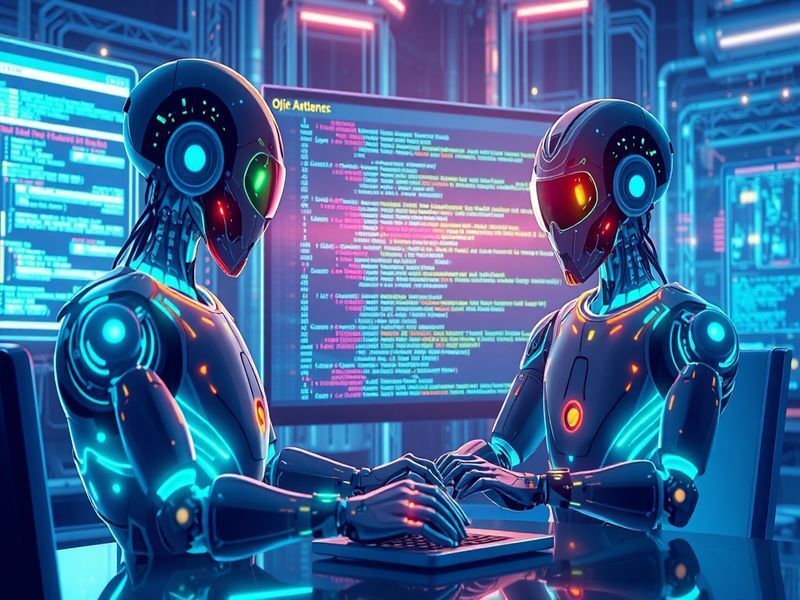
At its core, Agentic Engineering refers to the development of AI systems that can autonomously generate code, make decisions, and learn from their interactions with users and their environment. This differs from traditional AI models, which primarily rely on human input for coding and training. With Agentic Engineering, the emphasis shifts towards creating AI agents that possess agency, allowing them to initiate tasks, solve problems, and enhance their capabilities over time.
The Motivation Behind Agentic Engineering
The motivation for this shift is multifaceted:
- Efficiency: By enabling AI agents to take the lead in coding, development time can be significantly reduced, streamlining workflows and minimizing the risk of human error.
- Scalability: As businesses grow, so does the complexity of their technological needs. Agentic Engineering allows for rapid adaptation and scaling of software solutions.
- Innovation: AI agents can analyze vast amounts of data and generate creative solutions that may not be immediately apparent to human developers.
Practical Insights for Industry Implications
The implications of Agentic Engineering extend across various industries, reshaping how organizations approach software development and deployment.
1. Accelerated Development Cycles
One of the most direct impacts of this paradigm shift is the potential for accelerated development cycles. With AI agents capable of autonomously generating code, organizations can:
- Reduce the time spent on repetitive coding tasks.
- Implement rapid prototyping, allowing for quicker iterations on products and features.
- Enhance collaboration between human developers and AI, leading to a more integrated approach to software engineering.
2. Enhanced Quality Assurance
AI agents can also contribute to improved quality assurance by:
- Automating testing processes, ensuring that software is rigorously evaluated before deployment.
- Identifying bugs and vulnerabilities in real-time, allowing for immediate remediation.
- Learning from past failures to prevent similar issues in future iterations.
3. Democratization of Development
Another significant aspect of Agentic Engineering is its potential to democratize software development:
- Non-technical users can leverage AI agents to build applications without extensive programming knowledge.
- Smaller organizations can compete with larger entities by utilizing AI-powered tools to streamline their development processes.
Future Possibilities: Where Do We Go from Here?
As we look to the future, the possibilities presented by Agentic Engineering are both exciting and daunting. Here are some key considerations:
1. Ethical Considerations
With AI agents taking on more responsibility, ethical considerations surrounding their development and deployment become paramount. Organizations must address:
- Accountability for decisions made by AI agents.
- Bias in algorithms that could lead to unfair outcomes.
- Transparency in how these agents make decisions.
2. Evolving Skill Sets
As AI agents take on more coding responsibilities, the skill sets required from human developers will evolve. Professionals in the tech industry will need to:
- Shift focus from traditional coding tasks to roles involving oversight, strategy, and collaboration with AI.
- Develop skills in AI ethics, user experience, and system integration.
3. Integration with Emerging Technologies
The integration of Agentic Engineering with emerging technologies such as blockchain, Internet of Things (IoT), and quantum computing may lead to unprecedented innovations:
- AI agents could autonomously manage decentralized applications on blockchain networks.
- In IoT ecosystems, AI agents might optimize device interactions and data processing.
In conclusion, Agentic Engineering represents a significant advancement in the field of artificial intelligence, empowering AI agents to take the lead in coding and development. As this paradigm shifts the landscape of technology, organizations must adapt to leverage these capabilities while considering ethical implications and evolving skill requirements. The future promises a fascinating interplay between human ingenuity and AI-driven innovation, setting the stage for a new era in software development.