

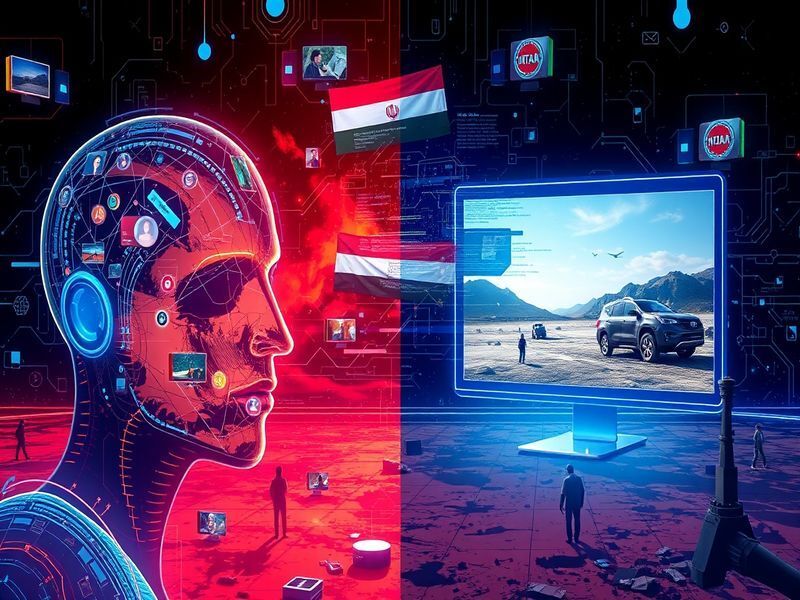
AI Fakes Flooding the Iran War: Exploring the Impact of AI-Generated Images and Videos in Conflict Zones
In recent times, the emergence of artificial intelligence (AI) technologies has revolutionized how we perceive and interact with information. Particularly in conflict zones like Iran, AI-generated images and videos are flooding social media and news outlets, creating a complex landscape of reality and deception. This article delves into the implications of these AI fakes, the challenges they present concerning misinformation, and the potential paths forward in an increasingly digital age.
The Rise of AI-Generated Content
With advancements in machine learning and computer vision, creating hyper-realistic images and videos has become remarkably easy. Technologies such as Generative Adversarial Networks (GANs) and deepfakes enable users to fabricate content that can be indistinguishable from real footage. This capability poses significant challenges, especially in the context of ongoing conflicts.
- Accessibility: Tools for generating fake media are more accessible than ever, allowing anyone with an internet connection to create convincing content.
- Social Media Amplification: Platforms like Twitter and Facebook can quickly disseminate false information, reaching millions before it can be debunked.
- Lack of Regulation: The rapid growth of AI technologies often outpaces regulatory measures, leading to a vacuum where misinformation can thrive.
The Impact on Conflict Reporting
In the context of the Iran war and similar conflicts, AI-generated fakes have far-reaching implications for journalism and public perception. Misinformation can skew narratives, incite violence, and manipulate public opinion.
- Distortion of Reality: AI fakes can misrepresent events, making it challenging for journalists and news organizations to provide accurate reporting.
- Public Trust Erosion: As fake content proliferates, public trust in media sources diminishes, leading to skepticism towards legitimate news outlets.
- Psychological Warfare: Misinformation can be used strategically by conflicting parties to demoralize opponents or rally support.
Challenges of Misinformation
The challenges posed by AI-generated misinformation in conflict zones are multi-faceted:
- Verification Difficulties: Distinguishing between authentic and fake media becomes increasingly complex, requiring advanced techniques for validation.
- Resource Allocation: News organizations may need to divert resources to fact-checking efforts, potentially compromising their coverage of other significant events.
- Legal and Ethical Dilemmas: The creation and dissemination of fake content raise ethical questions regarding accountability and freedom of expression.
Practical Insights for Tackling Misinformation
While the challenges of AI-generated content are daunting, several strategies can mitigate their impact:
- Invest in AI Detection Tools: Organizations should leverage AI technologies designed to detect manipulated content, improving their ability to identify fakes before they spread.
- Media Literacy Campaigns: Educating the public about the existence and implications of deepfakes can empower individuals to critically evaluate the media they consume.
- Collaboration with Tech Companies: News organizations should collaborate with tech firms to develop robust verification systems that can help filter out false information.
The Future of AI and Conflict Reporting
As we look ahead, the intersection of AI technologies and conflict reporting will continue to evolve. Here are some future possibilities:
- Enhanced Verification Technologies: Ongoing research into AI detection methods could lead to more reliable systems for authenticating media content.
- Integration of Blockchain: Blockchain technology could be utilized to create an immutable record of media sources, enabling audiences to trace the origins of content.
- Ethical AI Development: As AI technologies advance, there will be a growing emphasis on ethical guidelines to govern their use, particularly in sensitive environments like conflict zones.
In conclusion, while AI-generated images and videos present significant challenges in the realm of conflict reporting, they also offer opportunities for innovation and improvement in how we handle misinformation. By adopting a proactive approach, leveraging technology, and fostering public awareness, we can navigate the complex landscape of information in conflict zones like Iran.