
AI-Generated Fakes: The Impact on Information Integrity in Conflict Zones
The rise of artificial intelligence (AI) has transformed multiple sectors, but its most troubling application has emerged in the realm of misinformation. As the world witnesses ongoing conflicts, such as the Iran war, AI-generated fakes pose significant challenges to the integrity of information. This article delves into how AI is utilized to create misinformation during conflicts, the implications for industries involved, and the future landscape of information integrity.
The Role of AI in Misinformation
In recent years, AI technologies, especially deep learning and natural language processing, have enabled the rapid generation of realistic fake content, including text, images, and videos. These innovations can be weaponized to distort narratives and manipulate public perception, particularly in volatile environments like conflict zones.
- Content Generation: Advanced models like GPT-3 and GPT-4 can produce human-like text that can be used to create news articles, social media posts, and even propaganda.
- Deepfakes: AI-generated videos can convincingly alter or fabricate visual content, making it challenging to discern reality from fiction.
- Automated Bots: AI-driven bots can amplify fake news by spreading it across social media platforms, increasing its visibility and perceived credibility.
Case Study: Misinformation During the Iran War
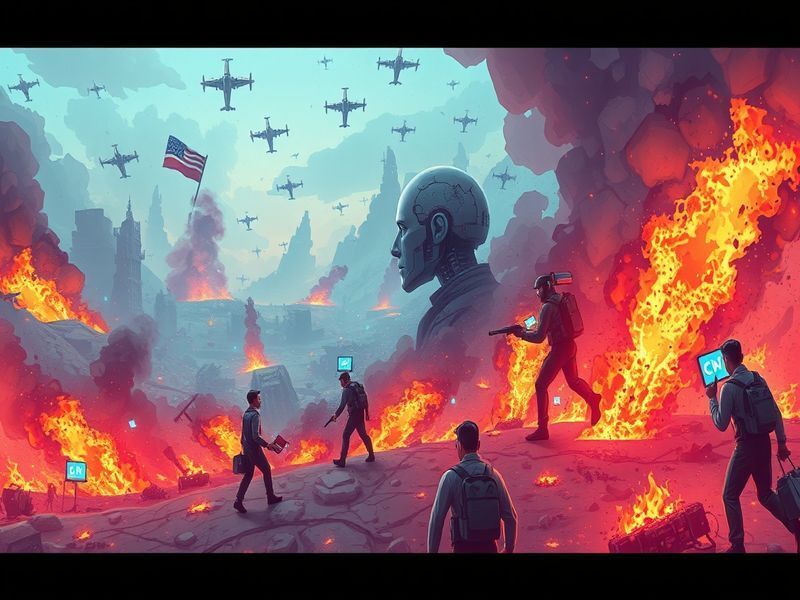
During the ongoing Iran war, various actors have utilized AI-generated content to influence narratives. Here are some notable examples:
- Social Media Manipulation: Pro- and anti-government factions have employed automated bots to disseminate AI-generated content that either supports their agenda or discredits opposing views.
- Visual Misinformation: Deepfake technology has been used to create videos that misrepresent key figures, making it seem as though they have made inflammatory statements or engaged in inappropriate behavior.
- Fabricated News Outlets: AI can generate entire websites that mimic legitimate news sources, further blurring the line between fact and fiction.
Industry Implications
The integration of AI in misinformation raises critical concerns across multiple industries:
- Media and Journalism: Traditional media outlets face immense pressure to verify information quickly, making them susceptible to spreading false information unintentionally.
- Technology Firms: Companies like Facebook and Twitter are tasked with developing robust algorithms and policies to combat AI-generated misinformation while balancing free speech.
- Government and Policy Makers: Policymakers must grapple with the ethical implications of AI use in misinformation and consider regulations to mitigate its impact.
Practical Insights for Combating AI-Generated Misinformation
As AI technologies continue to evolve, it is crucial for stakeholders to adopt proactive measures to safeguard information integrity:
- Invest in AI Detection Tools: Utilizing AI-driven tools to identify deepfakes and other forms of misinformation can help organizations quickly respond to threats.
- Promote Digital Literacy: Educating the public on how to identify misinformation, including recognizing the signs of AI-generated content, is vital for fostering critical thinking.
- Collaboration Across Sectors: Media, tech companies, and governments should collaborate to develop comprehensive strategies to combat misinformation and establish best practices.
Future Possibilities
The future landscape of information integrity in conflict zones will likely be shaped by ongoing advancements in AI technology:
- Enhanced Detection Algorithms: As AI-generated content becomes more sophisticated, the development of equally advanced detection algorithms will be crucial.
- Regulatory Frameworks: Governments may establish regulations specifically aimed at controlling the use of AI in generating misinformation, promoting transparency and accountability.
- AI Ethics Initiatives: Organizations and institutions could prioritize ethical AI use in conflict reporting to ensure that technology serves to inform rather than mislead.
In summary, the implications of AI-generated fakes during conflicts like the Iran war are profound and far-reaching. As technology continues to advance, stakeholders must remain vigilant and proactive in addressing the challenges posed by misinformation. By fostering collaboration, investing in detection tools, and promoting digital literacy, we can aspire to maintain the integrity of information in an increasingly complex landscape.