

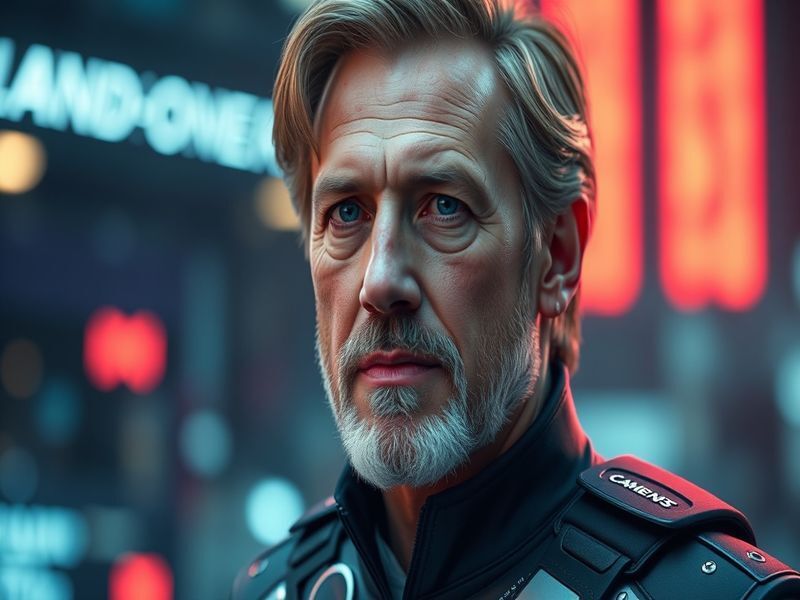
AI in Film: Val Kilmer’s Digital Resurrection
In the evolving landscape of film, the integration of artificial intelligence (AI) has not only transformed production techniques but has also paved the way for astonishing innovations such as the digital resurrection of actors. One of the most compelling examples is the posthumous performance of Val Kilmer, whose likeness and voice were revived using cutting-edge AI technology. This article delves into the implications of AI in creating lifelike performances, exploring both the technical advancements and ethical considerations that accompany such innovations.
The Technology Behind Digital Resurrection
The process of resurrecting a deceased actor like Val Kilmer involves several sophisticated technologies that work in tandem. Here are the key components:
- Deep Learning: AI models are trained on extensive datasets, including films, interviews, and other media featuring the actor. These datasets enable the AI to learn the nuances of the actor’s voice, expressions, and gestures.
- Computer Vision: This technology allows AI to analyze footage and create realistic animations of the actor’s likeness, ensuring that the digital representation aligns closely with the original.
- Natural Language Processing (NLP): NLP algorithms help recreate the actor’s speech patterns and intonation, allowing for a seamless integration of dialogue in posthumous performances.
In Kilmer’s case, filmmakers utilized a combination of archival footage, voice recordings, and advanced AI algorithms to create a digital version of the actor that could convincingly deliver lines in a new project. This approach not only honors Kilmer’s legacy but also provides a unique opportunity for storytelling that transcends the limitations of time.
Industry Implications
The use of AI to digitally resurrect actors raises several important implications for the film industry:
- Creative Potential: Directors and writers can explore narratives that were previously deemed impossible. The ability to bring back beloved actors can open doors to sequels or new stories that honor their legacy.
- Cost Efficiency: The ability to use AI-generated performances may reduce production costs associated with casting and scheduling living actors, potentially leading to more projects being greenlit.
- Audience Engagement: Fans often express nostalgia for iconic performances. Reviving actors through AI can draw audiences back to theaters, creating a unique buzz around projects that leverage this technology.
Ethical Considerations
While the technological advancements in AI offer exciting possibilities, they also pose significant ethical questions:
- Consent and Legacy: The digital resurrection of an actor raises issues of consent. Who has the right to decide how an actor’s likeness is used after their passing? The opinions of the actor’s estate and family are vital in these discussions.
- Authenticity vs. Artificiality: As AI-generated performances become more common, audiences may grapple with the authenticity of these portrayals. Can a digital performance ever truly replace the essence of an actor’s live performance?
- Impact on Employment: The rise of AI in filmmaking may lead to concerns about job security for actors, voice artists, and other professionals in the industry. The balance between innovation and employment needs careful consideration.
Future Possibilities
The future of AI in film is bright, with numerous possibilities on the horizon:
- Enhanced Storytelling: The integration of AI can lead to more intricate narratives, allowing filmmakers to experiment with character arcs and plots that involve multiple timelines or even cross-era collaborations.
- Personalized Viewing Experiences: AI could tailor films to individual viewer preferences, creating unique versions of movies that cater to different tastes or emotional responses.
- Virtual Reality (VR) Integration: AI-generated characters could interact with audiences in immersive VR environments, providing a new layer of engagement and storytelling.
As technology continues to evolve, the film industry must navigate the balance between creativity and ethical responsibility. The digital resurrection of actors like Val Kilmer not only showcases the remarkable capabilities of AI but also serves as a catalyst for broader conversations about the future of storytelling in cinema.
In conclusion, the integration of AI in film represents a significant leap forward, offering both opportunities and challenges. As filmmakers harness these technologies, they must remain mindful of the ethical implications and strive to honor the legacies of those who have come before.