
AI in Medicine: The Rise of Clinical Co-Pilots
As the healthcare industry continues to evolve, the integration of artificial intelligence (AI) technologies is becoming increasingly vital. Among these innovations is the development of clinical co-pilots, systems designed to assist healthcare professionals in diagnostics and surgical procedures. One such example is MedOS, an AI-driven platform that is redefining precision medicine and enhancing surgical performance. This article explores how AI technologies like MedOS are transforming the medical landscape, providing practical insights, examining industry implications, and considering future possibilities.
The Role of AI in Diagnostics
AI technologies have the potential to significantly enhance diagnostic accuracy. By analyzing vast amounts of medical data, AI systems can identify patterns and correlations that may not be immediately apparent to human clinicians. This capability is especially beneficial in complex cases where multiple variables exist.
- Data Analysis: AI algorithms can sift through medical histories, lab results, and imaging studies to provide a comprehensive view of a patient’s condition.
- Predictive Analytics: By leveraging historical data, AI can predict the likelihood of certain diseases, enabling early intervention and personalized treatment plans.
- Continuous Learning: AI systems can continually learn from new data, improving their accuracy and efficacy over time.
For instance, MedOS employs machine learning algorithms to analyze radiological images, assisting radiologists in identifying tumors or anomalies with enhanced precision. This not only speeds up the diagnostic process but also reduces the risk of human error.
Enhancing Surgical Performance
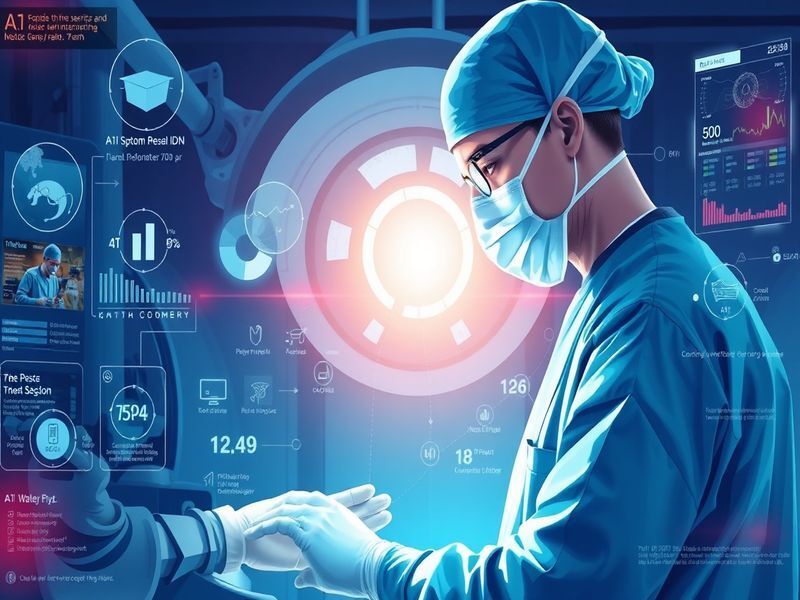
In surgical settings, AI co-pilots like MedOS offer real-time assistance, guiding surgeons through complex procedures. This capability is particularly important in minimally invasive surgeries, where precision is paramount.
- Augmented Reality (AR) Integration: Some AI systems integrate AR to overlay critical information onto the surgical field, helping surgeons visualize anatomy and plan interventions effectively.
- Robotic Assistance: AI-powered robotic systems can perform delicate tasks with unparalleled accuracy, enhancing the surgeon’s capabilities and reducing recovery times.
- Decision Support: AI systems provide data-driven recommendations during surgery, enabling surgeons to make informed decisions rapidly.
For example, during a laparoscopic procedure, MedOS can analyze real-time data, such as vital signs and imaging, to help the surgeon navigate potential complications. This collaborative approach not only improves surgical outcomes but also enhances patient safety.
Practical Insights for Healthcare Professionals
For healthcare professionals, understanding and integrating AI technologies like MedOS into their practice can lead to numerous benefits:
- Improved Efficiency: AI can automate routine tasks, allowing healthcare providers to focus on patient care.
- Enhanced Collaboration: AI systems can foster collaboration among healthcare teams, ensuring that all members have access to the same data and insights.
- Continuous Education: Engaging with AI tools can provide healthcare professionals with ongoing education on emerging trends and technologies.
By embracing AI, practitioners can enhance their workflows, ultimately leading to better patient outcomes and greater satisfaction.
Industry Implications
The rise of clinical co-pilots presents significant implications for the medical industry:
- Cost Reduction: AI can reduce operational costs by streamlining processes and minimizing errors, which can lead to substantial savings for healthcare institutions.
- Regulatory Challenges: As AI systems become more prevalent, regulatory bodies will need to establish guidelines to ensure patient safety and ethical use of AI technologies.
- Job Transformation: While some fear that AI may replace jobs, the reality is that it will transform roles, shifting the focus from routine tasks to more complex decision-making and patient interaction.
Healthcare organizations that adopt AI technologies early will likely gain a competitive advantage, as they will be better equipped to provide high-quality care in a rapidly changing environment.
Future Possibilities
Looking ahead, the future of AI in medicine is promising. As technology advances, several possibilities emerge:
- Personalized Medicine: AI could enable even more personalized treatment plans based on an individual’s genetic makeup and lifestyle, leading to more effective therapies.
- Telemedicine Integration: AI can enhance telehealth platforms, providing patients with real-time diagnostics and treatment recommendations from the comfort of their homes.
- Global Health Solutions: AI technologies can bridge gaps in healthcare access, particularly in underserved regions, by providing remote diagnostics and treatment options.
The ongoing collaboration between AI technologies and healthcare professionals will be crucial in realizing these possibilities, paving the way for a future where healthcare is more efficient, effective, and equitable.