AI Music Dominates Streaming Platforms: A New Era of Sound
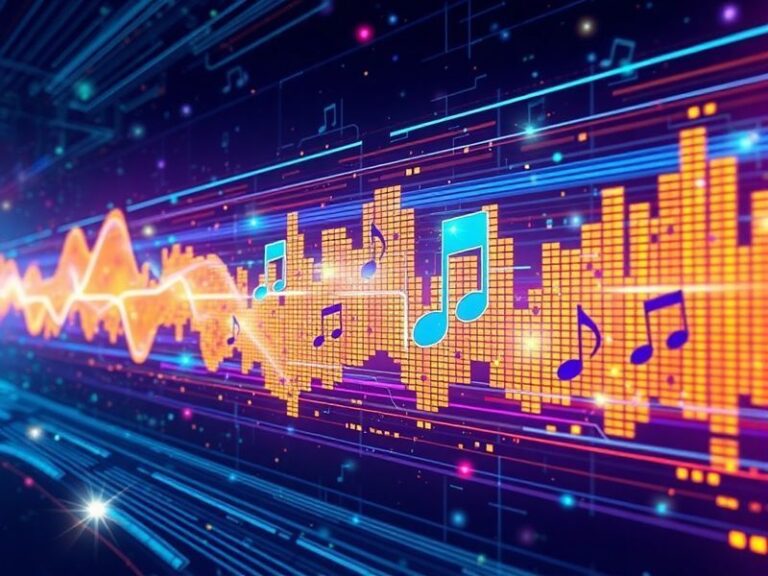
The world of music is undergoing a seismic shift as artificial intelligence (AI) technology increasingly shapes how we create and consume tunes. A recent report from Deezer reveals a staggering statistic: 44% of daily uploads on their platform are now fully AI-generated tracks. This remarkable trend raises significant questions about the authenticity of music and challenges traditional notions of artistry and creativity.
The Rise of AI-Generated Music
AI-generated music is not merely a fleeting trend; it represents a fundamental change in the music industry. With advancements in machine learning algorithms and neural networks, AI can now compose, produce, and even perform music that rivals human artists. This technology has made it possible for anyone with an internet connection to create music, democratizing the field and opening doors to new creators.
- Accessibility: AI music tools are accessible to a global audience, allowing amateur musicians to create tracks without extensive training or resources.
- Diversity: AI can generate a wide variety of genres and styles, offering listeners an unprecedented range of music.
- Collaboration: AI can collaborate with human artists, providing inspiration and new creative avenues.
Implications for the Music Industry
The surge in AI-generated music has far-reaching implications for the music industry, affecting everything from production to consumption. Here are some key impacts:
- Changing Roles of Artists: As AI takes over some aspects of music creation, traditional roles may shift. Musicians might transition from creators to curators, focusing more on selecting and refining AI-generated content.
- New Revenue Models: The rise of AI music could lead to new monetization strategies. Platforms may need to rethink how they compensate artists and AI creators alike.
- Authenticity Challenges: With AI generating tracks, distinguishing between human and machine-created music could become increasingly complex, leading to debates about artistic authenticity.
Ensuring Quality and Authenticity
As the quantity of AI-generated music skyrockets, ensuring quality will be a significant challenge. Streaming platforms like Deezer and Spotify must find ways to curate and recommend content that resonates with listeners. Here are some strategies:
- Enhanced Algorithms: Streaming services can improve their recommendation algorithms to include user preferences and feedback, ensuring that high-quality AI music rises to the top.
- Curation by Humans: Despite the rise of AI, human curators can play a vital role in selecting the best tracks, blending algorithmic suggestions with human taste.
- Transparent Labeling: Platforms should consider labeling tracks as AI-generated to provide listeners with context and maintain transparency.
Future Possibilities: Where Do We Go From Here?
The future of AI in music is full of exciting possibilities. As technology continues to advance, we may witness:
- Personalized Music Experiences: AI could generate tailored soundtracks for individual listeners, adapting to their moods, activities, and preferences in real-time.
- Integration with Other Technologies: The convergence of AI with virtual reality (VR) and augmented reality (AR) could create immersive musical experiences, blurring the lines between artist and audience.
- New Genres and Styles: As AI continues to evolve, it may create entirely new genres that we have yet to imagine, pushing the boundaries of musical expression.
Concluding Thoughts
The rise of AI-generated music presents both opportunities and challenges. While it democratizes music creation and offers new avenues for innovation, it also raises critical questions concerning authenticity and the future of artistic expression. As we embrace this new era of sound, it is essential for the industry to balance technology with the human touch that has always been at the heart of music. The future of music is undoubtedly here, and it is powered by AI.