
AI-Powered Personal Assistants: How They Enhance Productivity
The evolution of artificial intelligence (AI) has brought forth an array of transformative technologies, among which AI-powered personal assistants stand out as significant productivity enhancers. Tools like Lindy are at the forefront, redefining how individuals and businesses manage their daily tasks and improve workflows. This article explores the functionalities of such tools, their impact on productivity, and what the future holds for AI in personal assistance.
The Role of AI-Powered Personal Assistants
AI-powered personal assistants leverage machine learning and natural language processing (NLP) to understand and respond to user inputs in a conversational manner. Their primary role is to streamline tasks, reduce the cognitive load on users, and enable them to focus on more strategic activities. Here are some common functionalities:
- Task Management: These assistants can create, manage, and prioritize to-do lists, schedule appointments, and set reminders.
- Information Retrieval: Users can ask questions or request information, and the assistant will fetch relevant data quickly.
- Email Management: Some assistants can filter emails, draft responses, and organize communication effectively.
- Integration with Other Tools: Many personal assistants integrate with calendars, project management software, and communication platforms for seamless workflow.
Introducing Lindy: A Case Study
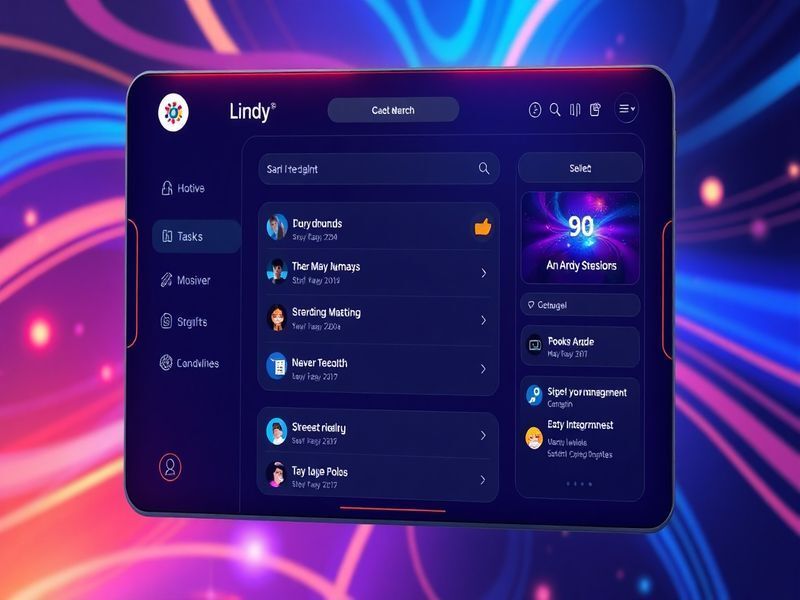
Lindy is a cutting-edge AI personal assistant designed to help users optimize their productivity. By utilizing state-of-the-art algorithms, Lindy analyzes a user’s work habits and preferences to offer personalized assistance. Here are some features that make Lindy a notable tool:
- Smart Scheduling: Lindy can analyze your calendar and suggest optimal times for meetings or dedicated work periods, ensuring you’re not overwhelmed.
- Contextual Reminders: The assistant sends reminders based on your location or previous tasks, providing context to your daily obligations.
- Learning Capabilities: Lindy continuously learns from user interactions, adapting its suggestions and features to better meet individual needs.
Enhancing Productivity Through AI
The integration of AI-powered personal assistants like Lindy into daily routines can lead to substantial productivity gains. Here are several ways these tools enhance productivity:
- Reduced Decision Fatigue: By automating routine tasks and providing recommendations, users can conserve mental energy for more complex decisions.
- Time Savings: With faster information retrieval and task management, users spend less time on administrative duties and more time on core responsibilities.
- Increased Focus: By handling distractions and organizing tasks, AI assistants allow users to concentrate on their most important work.
- Improved Collaboration: Many personal assistants facilitate communication and project management within teams, enhancing collaborative efforts.
Industry Implications
The rise of AI-powered personal assistants like Lindy is reshaping various industries. Here are some implications:
- Workplace Efficiency: Companies are increasingly adopting AI tools to enhance employee productivity, leading to streamlined operations and cost savings.
- Remote Work Adaptability: As remote work becomes more prevalent, personal assistants help manage distributed teams effectively by coordinating schedules and tasks.
- Skill Shift: The demand for skills related to AI and digital literacy is rising as organizations recognize the need to adapt to these technologies.
Future Possibilities
The future of AI-powered personal assistants is promising, with several trends expected to shape their development:
- Greater Personalization: As AI continues to evolve, personal assistants will likely provide even more tailored experiences based on user behavior and preferences.
- Increased Integration: We can expect more seamless integration with various platforms and devices, creating an ecosystem where personal assistants operate across all tools.
- Emotional Intelligence: Future AI assistants may be able to recognize and respond to emotional cues, facilitating a more human-like interaction.
- Enhanced Security: As these tools handle sensitive data, advancements in AI security measures will be crucial to protect user information.
Conclusion
AI-powered personal assistants like Lindy are revolutionizing the way we approach productivity in both personal and professional domains. By automating mundane tasks and providing intelligent recommendations, they free up time and mental resources, allowing users to focus on what truly matters. As technology continues to advance, the potential for these tools to further enhance our daily workflows is limitless.