
AI Replacement Dysfunction: A New Mental Health Concern
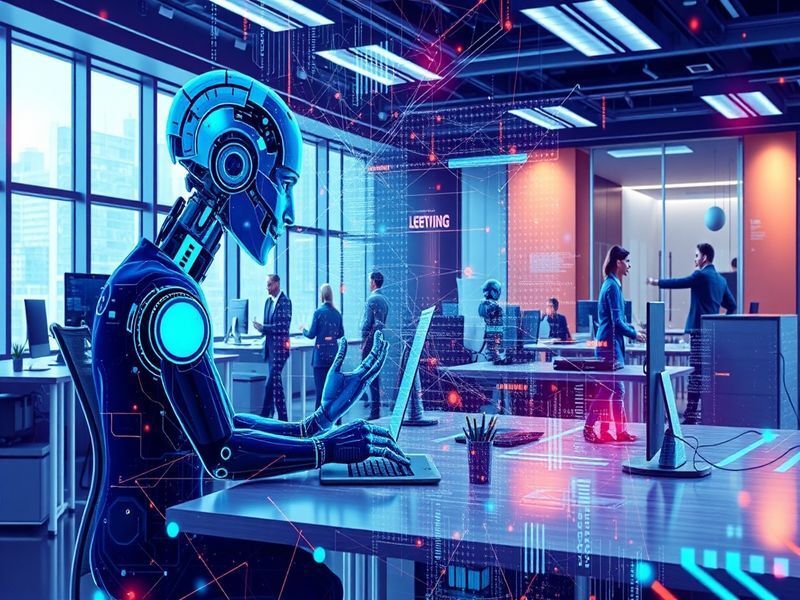
As artificial intelligence (AI) technologies continue to advance, they are reshaping job markets and workforce dynamics across various industries. While the potential for increased efficiency and productivity is immense, a growing concern known as AI Replacement Dysfunction is emerging. This term describes the psychological effects stemming from fears of job displacement due to AI and automation. Understanding this phenomenon is crucial for both individuals and organizations navigating the evolving landscape of work.
The Psychological Impact of AI on Job Security
AI technologies are designed to perform tasks traditionally carried out by humans, which leads to significant changes in the workplace. This shift can evoke a range of emotional responses in employees, including:
- Anxiety: Fears of being replaced by AI can lead to heightened levels of stress and anxiety among workers.
- Depression: The uncertainty surrounding job security may cause feelings of hopelessness or despair.
- Identity Crisis: For many professionals, their job is a significant part of their identity, and the thought of losing it to a machine can lead to existential questions.
These psychological effects are not limited to individuals; they can also impact team dynamics and overall workplace morale. When employees are preoccupied with fears of obsolescence, it can create an environment of distrust and reluctance to collaborate.
Industry Implications
The implications of AI Replacement Dysfunction extend beyond individual mental health. Organizations must consider how these psychological effects can influence productivity and employee retention. Here are some key considerations:
- Workforce Training: Companies need to invest in reskilling and upskilling programs to help employees adapt to new technologies and reduce anxiety related to job security.
- Transparent Communication: Open dialogues about the integration of AI can help alleviate fears. By communicating how AI will augment rather than replace human roles, organizations can foster a culture of trust.
- Mental Health Support: Providing access to mental health resources can help employees cope with the stress associated with potential job displacement.
Organizations that proactively address these concerns will not only enhance employee well-being but will also build a more resilient workforce capable of adapting to technological changes.
Practical Insights for Employees
For individuals facing the psychological burden of AI Replacement Dysfunction, there are several strategies to mitigate these feelings:
- Stay Informed: Knowledge is power. Staying updated on industry trends and the technologies affecting your work can help reduce uncertainty.
- Embrace Lifelong Learning: Invest in your skill development. This not only enhances your employability but also builds confidence in your ability to adapt to change.
- Engage in Networking: Connecting with peers can provide support and open up new opportunities. Networking can help you stay informed about potential job openings and industry shifts.
- Practice Mindfulness: Techniques such as meditation and mindfulness can help manage anxiety and improve overall mental health.
Future Possibilities
As AI continues to evolve, the future of work will likely incorporate a hybrid model where humans and machines collaborate. This paradigm shift presents several possibilities:
- Augmented Roles: Rather than replacing jobs, AI may take over repetitive tasks, allowing employees to focus on more creative and strategic aspects of their roles.
- New Job Creation: While some jobs may disappear, new roles focusing on AI oversight, ethics, and maintenance will emerge, creating opportunities for those willing to adapt.
- Enhanced Employee Engagement: Companies that successfully integrate AI can foster a more engaged workforce, as employees may find their roles more fulfilling when freed from mundane tasks.
Ultimately, the key to navigating the psychological effects of AI on the workforce lies in a balanced approach that emphasizes adaptation, communication, and mental health support. By addressing the concerns surrounding AI Replacement Dysfunction, both employers and employees can work towards a future where technology augments human potential rather than diminishes it.