
AI Tools for Everyday Efficiency: A Look at Innovative AI Applications That Streamline Tasks from Note-Taking to Content Creation
In today’s fast-paced digital world, efficiency is key. With the rise of artificial intelligence (AI), we are witnessing a transformative wave of tools designed to enhance productivity across various tasks—from note-taking to content creation. This article explores some of the most innovative AI applications that are reshaping how we manage our daily tasks, offering practical insights and considerations for future possibilities.
Streamlining Note-Taking
Note-taking is an essential part of both personal and professional life. Traditional methods can be time-consuming and often lead to disorganized thoughts. Enter AI-powered note-taking tools, which leverage natural language processing (NLP) to optimize the way we capture and organize information. Here are a few notable applications:
- Otter.ai: This AI-driven tool transcribes spoken words into text in real-time, making it ideal for meetings, lectures, and interviews. Users can search and highlight key points, creating a structured overview of discussions.
- Notion: Incorporating AI features, Notion offers smart suggestions to enhance notes, organize them into databases, and even summarize lengthy documents, providing a seamless user experience.
- Microsoft OneNote: With integrated AI, OneNote can help users categorize notes, suggest relevant content, and even convert handwritten notes into digital text, further streamlining the organization process.
The integration of AI in note-taking not only saves time but also enhances comprehension and retention of information. With these tools, users can focus more on the content rather than the mechanics of note-taking.
Content Creation Made Easy
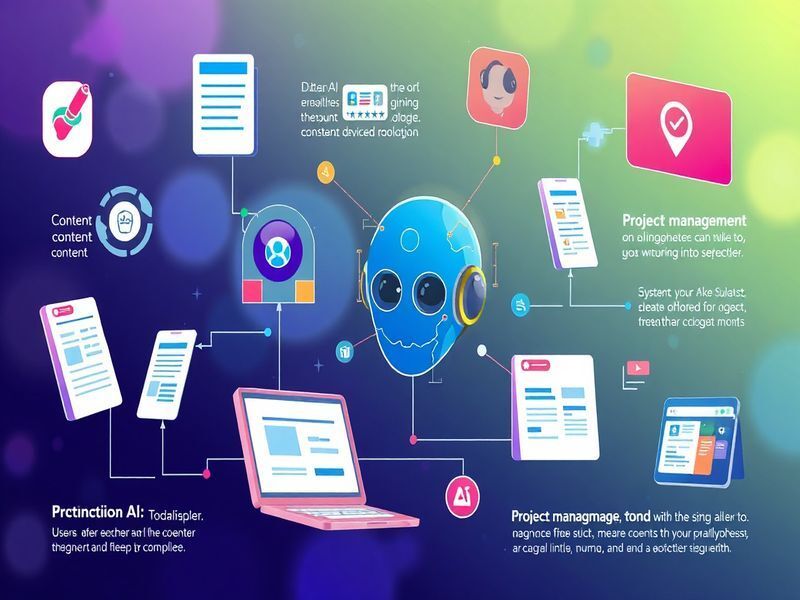
The landscape of content creation has been dramatically altered by AI applications. From writing assistance to graphic design, these tools empower creators to produce high-quality content efficiently:
- ChatGPT: OpenAI’s conversational AI can assist in drafting articles, generating ideas, and even conducting research. Its ability to understand context and produce coherent text has made it a favorite among writers and marketers.
- Canva’s Magic Write: This AI feature helps users create visually appealing designs and accompanying text. It suggests layouts and copy, making it easier for non-designers to create professional-quality graphics.
- Jasper AI: A copywriting tool that uses AI to generate marketing copy, blog posts, and social media content. Jasper learns from user inputs and can adapt its tone and style to fit various brands.
As these tools become more sophisticated, they promise to lower the barriers to entry for content creation, allowing individuals and businesses to engage with their audiences more effectively.
AI in Project Management
Beyond note-taking and content creation, AI applications are making strides in project management as well. They help teams collaborate more efficiently and stay on track:
- Trello: Enhanced with AI capabilities, Trello offers features that predict project timelines and deadlines based on historical data, enabling teams to plan better.
- Asana: This project management tool uses AI to automate task assignments, recommend priorities, and even analyze team performance, helping to optimize workflows.
- Monday.com: With AI integrations, this platform can provide insights into project health and highlight potential bottlenecks before they become significant issues.
By integrating AI into project management, organizations can reduce administrative burdens and foster a culture of collaboration and efficiency.
Future Possibilities
The future of AI applications is not just about enhancing existing tools but also about creating new paradigms for productivity. Here are some exciting possibilities:
- Personalized Assistants: Future AI tools could evolve into hyper-personalized digital assistants that understand individual user preferences and workflows, optimizing tasks on the fly.
- Integration Across Platforms: As AI technology advances, we can expect seamless integration across various platforms, allowing for a more holistic approach to productivity.
- Emotion Recognition: AI could eventually analyze user emotions and adapt tools accordingly, providing support when stress levels are high or motivation dips.
The potential for AI to revolutionize efficiency is vast, and as technology continues to develop, we are likely to see even more innovative applications emerge.
Conclusion
AI tools are no longer just futuristic concepts but practical solutions that enhance everyday efficiency. From simplifying note-taking to streamlining content creation and project management, these applications are transforming how we work. As we look ahead, the possibilities for AI in our daily tasks are boundless, promising a future where technology works harmoniously with human creativity and productivity.