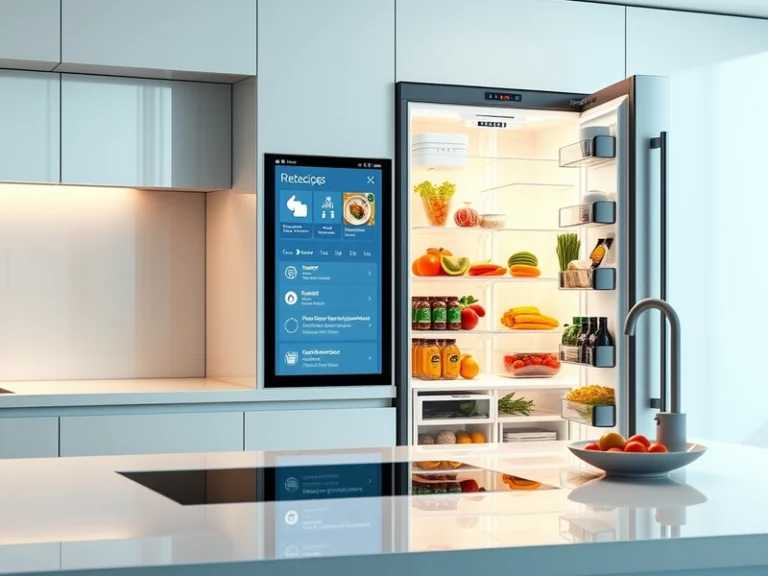
The integration of artificial intelligence into domestic kitchens is now actively transforming meal preparation, with smart kitchen assistants emerging to revolutionize how households manage food inventory and minimize waste by suggesting meals from available ingredients. These AI-driven systems, exemplified by the concept of tools like Trepo, promise a future where leftover ingredients are not discarded but intelligently repurposed into new dishes.
The Technological Core: Real-time Inventory and Beyond
At the heart of these smart kitchen assistants is sophisticated real-time inventory management, powered by a combination of computer vision, natural language processing (NLP), and machine learning. This trifecta of AI technologies allows systems to understand precisely what food items are available, their quantities, and even their proximity to spoilage.
The core mechanisms typically involve:
- Computer Vision: Cameras integrated into smart refrigerators or dedicated scanning devices identify items as they are placed into or removed from storage. Advanced object recognition algorithms can differentiate between various fruits, vegetables, dairy products, and packaged goods, often estimating quantities.
- Natural Language Processing (NLP): Users can verbally query the system about available ingredients or express dietary preferences. NLP also processes vast databases of recipes, extracting ingredient lists and preparation steps to match them against current inventory.
- Machine Learning (ML): This is the intelligence layer that learns user preferences, dietary restrictions, and cooking habits over time. ML algorithms analyze past meal choices, ingredient consumption patterns, and even historical purchasing data to make personalized recipe suggestions.
- IoT Integration: Connectivity with smart appliances, such as ovens or induction cooktops, allows these assistants to offer step-by-step cooking guidance, preheat appliances, or even adjust cooking times based on recipe instructions and user input.
This continuous data stream creates a dynamic inventory database, moving far beyond static grocery lists to a living record of a household’s culinary potential.
From Inventory to Innovation: Transforming Leftovers into Meals
The true innovation lies not just in knowing what’s in the fridge, but in leveraging that knowledge to inspire and execute meals, particularly from ingredients that might otherwise go to waste. Systems like Trepo move beyond basic recipe look-ups to offer proactive, adaptive meal planning.
Key capabilities include:
- Dynamic Recipe Generation: Based on the real-time inventory, these assistants can generate or suggest recipes that primarily use ingredients nearing their expiration or those that have been in storage for a longer period. This prioritizes consumption, significantly reducing food waste.
- Leftover Repurposing: Instead of viewing cooked food as a finite meal, the AI can identify components of leftovers (e.g., roasted chicken, steamed vegetables) and suggest entirely new dishes that incorporate them, such as transforming chicken into a salad or vegetables into a frittata.
- Expiration Tracking and Alerts: Beyond mere identification, the systems track purchase dates and estimated shelf lives of perishable items. Users receive timely notifications for ingredients that need to be used soon, often accompanied by relevant recipe suggestions.
- Personalized Dietary Planning: Integrating with user profiles, the AI can filter recipe suggestions to accommodate allergies, dietary restrictions (e.g., vegetarian, gluten-free), and nutritional goals, ensuring that recommended meals align with individual health needs.
This proactive approach fundamentally shifts the paradigm from reactive meal planning (“What do I *want* to cook?”) to intelligent resource optimization (“What *can* I cook with what I have, efficiently and deliciously?”).
Benefits for the Modern Kitchen
The adoption of AI-powered kitchen intelligence offers several tangible advantages for consumers and the broader food ecosystem:
- Reduced Food Waste: By far one of the most significant benefits, these systems directly address the global issue of food waste by ensuring ingredients are utilized before they spoil.
- Cost Savings: Minimizing waste translates directly into lower grocery bills. Furthermore, optimized meal planning can reduce impulse purchases and unnecessary trips to the store.
- Time Efficiency: Automating inventory tracking and simplifying meal planning frees up significant time for busy individuals and families. The cognitive load of deciding “what’s for dinner” is substantially lightened.
- Culinary Exploration: By suggesting novel combinations and recipes based on existing ingredients, these assistants can encourage users to experiment with new dishes and expand their culinary repertoire.
- Improved Nutrition: With the ability to factor in dietary requirements and nutritional information, users can make more informed choices that support their health goals.
The Road Ahead: Challenges and Opportunities
While the potential of AI-driven kitchen intelligence is vast, several challenges remain. Ensuring accurate and comprehensive inventory tracking, especially for non-packaged or partially used items, requires robust computer vision and user input mechanisms. Data privacy and security are paramount, as these systems will collect highly personal information about consumption habits. Furthermore, seamless integration into existing kitchen ecosystems and appliances, along with user adoption, will determine their widespread success.
Companies like Samsung, with its Family Hub refrigerators featuring internal cameras, and LG, with its ThinQ AI platform, have already laid groundwork in smart kitchen integration. However, the next frontier, exemplified by the vision of products like Trepo, involves a more deeply intelligent, proactive assistant that not only reports on inventory but actively collaborates with users to plan, prepare, and optimize their meals for efficiency, economy, and enjoyment. The shift from passive smart appliances to truly intelligent culinary partners is well underway.