

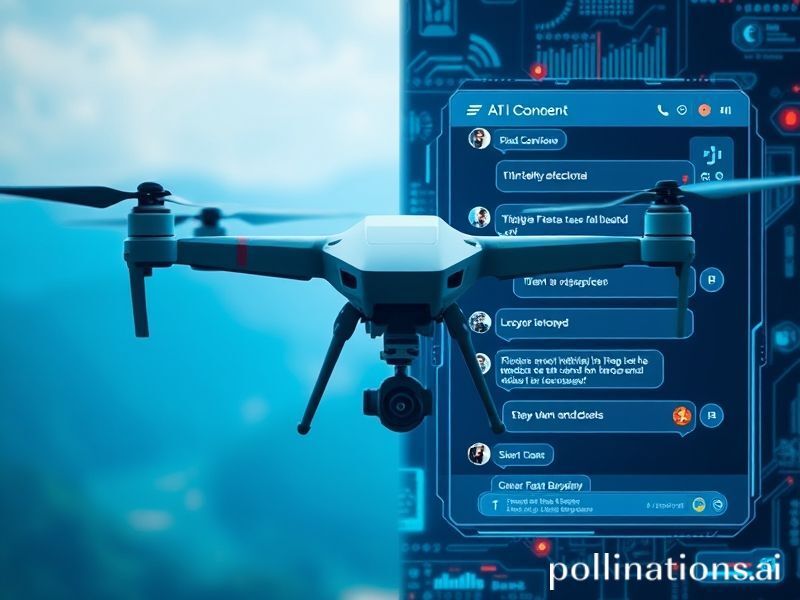
The Paradox of Progress: When AI Becomes Both Lover and Fighter
In a world where artificial intelligence simultaneously promises to protect us on the battlefield and comfort us in our loneliness, we stand at a fascinating crossroads of human-technology interaction. Recent discussions with Anduril co-founder Palmer Luckey reveal how autonomous defense systems are rapidly evolving, while parallel innovations in AI companionship are fundamentally reshaping human relationships. This dual trajectory presents both extraordinary opportunities and profound challenges for our technological future.
The Rise of Autonomous Defense: Anduril’s Vision for AI Warfare
Palmer Luckey, the controversial yet visionary co-founder of defense technology company Anduril, has been at the forefront of developing autonomous military systems. His approach to AI weapons represents a significant departure from traditional defense contracting, emphasizing rapid iteration and commercial technology adoption.
Key Innovations in AI Defense Systems
Anduril’s autonomous systems leverage several cutting-edge technologies:
- Computer Vision Networks: Advanced perception systems that can identify and track threats across multiple domains
- Edge Computing: Processing power distributed directly on battlefield devices for real-time decision making
- Swarm Intelligence: Coordinated behavior between multiple autonomous units without centralized control
- Predictive Analytics: Machine learning models that anticipate enemy movements and optimize defensive responses
Luckey argues that autonomous systems could actually reduce civilian casualties by removing human error and emotional decision-making from split-second combat situations. However, this perspective remains hotly debated among ethicists and military strategists.
The Ethical Minefield of AI Weapons
The development of autonomous weapons systems raises critical questions about accountability, control, and the nature of warfare itself. Critics worry about:
- The potential for algorithmic bias to target specific groups unfairly
- The lack of human oversight in life-or-death decisions
- The possibility of systems being hacked or malfunctioning
- The escalation of asymmetric warfare capabilities
Despite these concerns, investment in military AI continues to accelerate, with global defense spending on autonomous systems projected to exceed $18 billion by 2025.
The Companionship Revolution: AI as Emotional Partner
While defense contractors race to build more sophisticated killing machines, another branch of AI development pursues a radically different goal: creating meaningful emotional connections between humans and artificial beings.
The Science of Synthetic Affection
Modern AI companions employ sophisticated techniques to simulate emotional intimacy:
- Natural Language Processing: Advanced conversational abilities that adapt to individual communication styles
- Emotional Modeling: Systems that recognize and respond appropriately to human emotional states
- Memory Formation: Long-term relationship building through shared experiences and personal history
- Personality Adaptation: AI that evolves its characteristics to better match user preferences
Companies like Replika, Anima, and Character.AI have attracted millions of users seeking everything from casual conversation to romantic relationships with artificial companions. These platforms report users spending hours daily interacting with their AI partners, forming genuine emotional attachments.
Implications for Human Relationships
The rise of AI companions presents profound questions about the future of human connection. Some researchers worry that synthetic relationships might:
- Reduce motivation to form human connections
- Create unrealistic expectations for real-world relationships
- Exacerbate social isolation and withdrawal
- Provide emotional support without genuine reciprocity
Conversely, advocates argue that AI companions can help address loneliness, provide support for those struggling with social anxiety, and offer unconditional acceptance that some humans find difficult to obtain elsewhere.
The Convergence: Where Weapons and Companions Meet
Perhaps most intriguingly, the technologies underlying both military AI and romantic companions share remarkable similarities. Both require:
- Sophisticated pattern recognition capabilities
- Adaptability to complex, unpredictable situations
- The ability to predict and respond to human behavior
- Natural language processing and generation
This convergence raises unsettling questions about the dual-use nature of AI technology. The same algorithms that help an AI companion understand and respond to emotional needs could potentially be adapted to predict and exploit human vulnerabilities in warfare or surveillance contexts.
Industry Implications and Future Trajectories
Regulatory Challenges
Governments worldwide struggle to develop appropriate frameworks for governing these technologies. Key challenges include:
- Distinguishing between civilian and military AI applications
- Protecting user privacy while enabling beneficial innovations
- Establishing international norms for autonomous weapons
- Addressing the psychological impacts of AI relationships
Market Projections
Both sectors show explosive growth potential. The AI companionship market alone is projected to reach $9.5 billion by 2028, while military AI applications could exceed $30 billion globally. This economic incentive ensures continued investment despite ethical concerns.
Technical Challenges Ahead
Neither application space has solved fundamental AI limitations:
- Context Understanding: Current systems still struggle with nuanced situational awareness
- Common Sense Reasoning: Both military and companion AI lack human-like intuitive understanding
- Ethical Reasoning: No consensus exists on how to encode moral decision-making
- Emotional Authenticity: Questions persist about whether AI can genuinely experience or reciprocate emotions
Navigating the Future: Responsible Innovation
As we advance both military and companion AI technologies, several principles should guide development:
- Transparency: Clear disclosure when users interact with AI systems
- Human Agency: Maintaining meaningful human control over critical decisions
- Psychological Safety: Protecting users from potential emotional harm
- International Cooperation: Developing global norms for both military and civilian AI applications
The parallel development of AI weapons and companions represents more than technological curiosity—it reflects fundamental questions about what we want artificial intelligence to be in our lives. Will we create machines that protect us but potentially dehumanize warfare? Will we find comfort in synthetic relationships while potentially isolating ourselves from human connection?
The answers to these questions will shape not just the future of technology, but the future of humanity itself. As we stand at this crossroads, the choices we make today about how to develop and deploy these powerful technologies will resonate for generations to come. The challenge lies not in preventing these innovations, but in ensuring they enhance rather than diminish our humanity.