AI’s Role in Enhancing Sleep Quality: Innovative Technologies Using Scent
In our fast-paced world, sleep has often been the first casualty of modern living. The rise of technology has not only transformed how we communicate and work but also how we understand and improve our sleep patterns. Among the most promising advancements in this arena is the integration of artificial intelligence (AI) with olfactory technologies aimed at enhancing sleep quality. This article will delve into the innovative technologies that utilize scent to improve sleep, offering practical insights and exploring future possibilities.
The Science of Scent and Sleep
Research has established a strong connection between scent and our emotional and physiological states. Certain aromas can trigger relaxation responses in the brain, influencing our ability to fall asleep and stay asleep. Common scents associated with sleep enhancement include:
- Lavender: Known for its calming properties, lavender has been shown to reduce anxiety and improve sleep quality.
- Chamomile: Often consumed as tea, chamomile’s sweet aroma can also promote a sense of tranquility.
- Sandalwood: This scent is believed to induce a calming effect, making it easier to drift into sleep.
Given this understanding, tech companies are developing AI-driven solutions that harness the power of scent to enhance sleep quality. These solutions range from smart diffusers to wearable devices that analyze sleep patterns and release specific aromas at optimal times.
Innovative Technologies in Scent Delivery
Several groundbreaking technologies are currently revolutionizing how we use scent to improve sleep. Here are a few noteworthy examples:
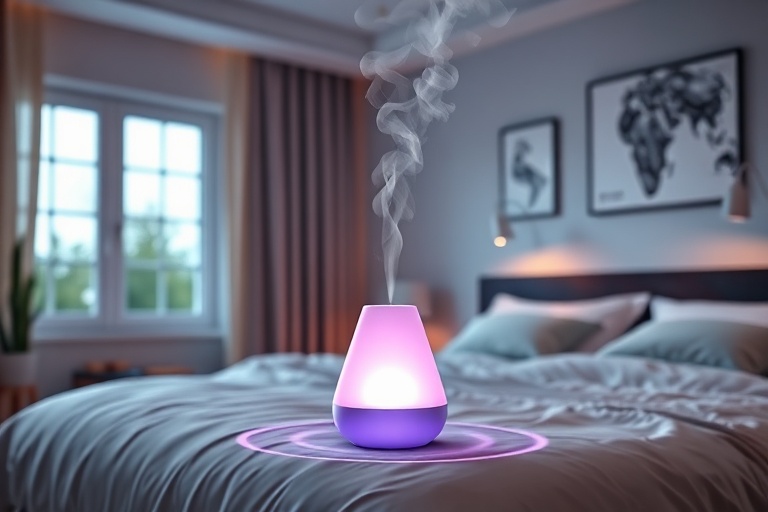
- Smart Diffusers: These devices can be programmed to release specific scents based on individual sleep patterns. Using AI algorithms, they analyze data from sleep-tracking devices and release aromas at times when the user is most likely to benefit.
- Wearable Olfactory Devices: Emerging wearable technology can emit scents directly to the user. These devices can adjust the scent’s intensity and duration based on real-time physiological feedback, such as heart rate or sleep cycle stages.
- Ambient Scenting Systems: Integrated into bedrooms or sleep environments, these systems can create a calming atmosphere by dispersing tailored scents throughout the night, promoting a more restful sleep.
Practical Insights for Consumers
While the technology is promising, consumers should consider the following practical insights when looking to enhance their sleep through scent:
- Personalization: Individual preferences for scents vary widely. Therefore, it is essential to choose devices that allow for customization based on personal scent preferences.
- Integration with Existing Sleep Aids: Many people already use sleep aids like white noise machines or sleep masks. Consider integrating scent technology with these tools for a holistic approach to improving sleep quality.
- Trial and Error: Everyone reacts differently to scents. It may take some experimentation with various aromas to find what works best for individual relaxation and sleep enhancement.
Industry Implications
The intersection of AI, olfactory technology, and sleep presents numerous implications for various industries, including healthcare, wellness, and consumer electronics. As sleep-related issues continue to rise globally, the demand for effective sleep improvement solutions is increasing. Here are some potential industry impacts:
- Healthcare: Sleep specialists may begin to recommend AI-driven scent technologies as part of comprehensive treatment plans for insomnia and other sleep disorders.
- Wellness Market Growth: The global wellness market is rapidly expanding, and integrating scent technology into wellness products could open new avenues for growth.
- Consumer Electronics Innovation: As technology advances, we may see more sophisticated integration of AI and scent delivery systems, leading to the development of new consumer electronics aimed at improving sleep.
Future Possibilities
The future of AI in enhancing sleep quality through scent technology is bright and full of potential. Here are a few possibilities to consider:
- Adaptive AI: Future iterations of AI could learn more nuanced patterns of individual sleep cycles and preferences, allowing for even more tailored scent delivery.
- Smart Home Integration: Scent technologies could become a standard feature in smart homes, working in tandem with other devices to create optimal sleep environments.
- Research and Development: Ongoing research into the psychological effects of scent could lead to new applications in stress management and mental health, further emphasizing the importance of sleep quality.
In conclusion, the integration of AI and scent technology represents an exciting frontier in the pursuit of improved sleep quality. As innovations continue to arise, they promise not only to enhance our sleep but also to contribute to our overall well-being. For tech enthusiasts and professionals, keeping an eye on these developments could lead to new insights and opportunities in the intersection of technology, health, and wellness.