
AI’s Trust Paradox: Are We Relying Too Much on Machines?
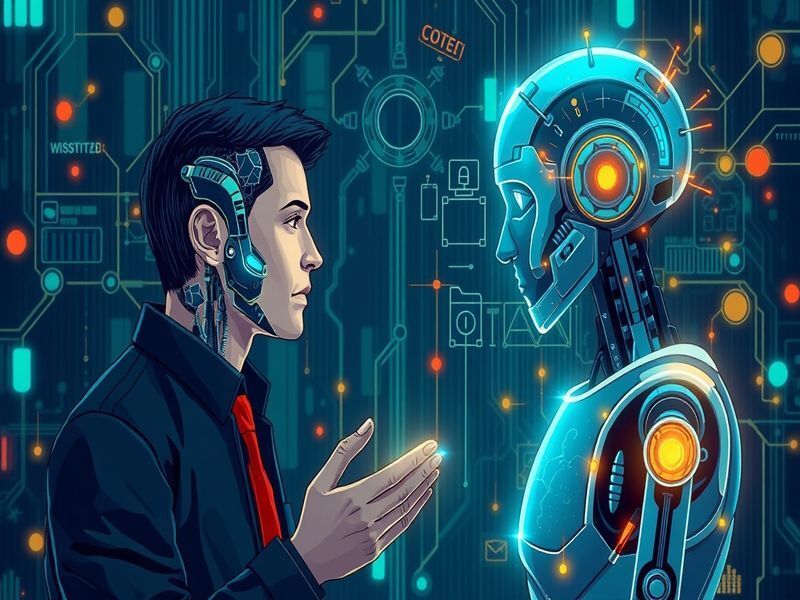
As artificial intelligence (AI) technologies become increasingly integrated into our daily lives, a critical question arises: Are we relying too much on machines? The trust paradox in AI highlights the tension between the benefits of automation and the potential dangers of over-reliance on these systems. This article explores the implications for human decision-making, practical insights, industry impacts, and future possibilities.
The Rise of AI and Its Benefits
AI has revolutionized various industries, from healthcare to finance, by enhancing efficiency, accuracy, and speed. Some key benefits include:
- Increased Efficiency: AI systems can process vast amounts of data faster than humans, allowing for quicker decision-making.
- Enhanced Accuracy: Machine learning algorithms can identify patterns and anomalies in data that might escape human notice.
- Cost Reduction: Automating repetitive tasks can significantly lower operational costs.
- 24/7 Availability: Unlike humans, AI systems can operate continuously without fatigue.
These advantages have led to significant trust in AI systems, prompting businesses and consumers alike to rely heavily on their capabilities. However, this trust can become a double-edged sword.
The Dangers of Over-Reliance on AI
While the benefits of AI are undeniable, an over-reliance on these systems can lead to several dangers:
- Loss of Critical Thinking: When people rely on AI for decision-making, they may become less inclined to think critically or challenge the outputs generated by these systems.
- Blind Trust in Technology: Users may assume that AI systems are infallible, leading to dangerous outcomes, especially in high-stakes situations such as autonomous driving or medical diagnoses.
- Data Privacy Concerns: Trusting AI with sensitive data can expose individuals and organizations to privacy breaches and misuse of information.
- Bias and Discrimination: AI systems can perpetuate existing biases if they are trained on biased data, impacting decision-making in significant ways.
These issues raise critical questions about the implications of ceding too much authority to machines, especially as AI systems become more complex and integrated into our lives.
Industry Implications
The implications of AI’s trust paradox are profound across various sectors:
- Healthcare: While AI can assist in diagnosis and treatment recommendations, over-reliance on algorithms could compromise patient care if human oversight is neglected.
- Finance: Automated trading systems can make split-second decisions, but market volatility can lead to catastrophic consequences if human intervention is absent.
- Manufacturing: AI-driven automation can optimize production, yet it may also lead to job displacement and reduced human skills in the workforce.
These examples illustrate the need for a balanced approach where AI serves as a tool rather than a replacement for human judgment.
Practical Insights for Balancing Trust and Caution
To navigate the trust paradox in AI, several practical insights can be considered:
- Enhance AI Literacy: Educating users about AI capabilities and limitations can foster a more informed approach to technology adoption.
- Implement Human Oversight: Ensure that human judgment remains integral to decision-making processes, particularly in critical applications.
- Regular Audits: Conduct regular assessments of AI systems to identify biases and ensure they align with ethical standards.
- Promote Transparency: Organizations should strive to make AI decision-making processes understandable to users, enhancing trust through clarity.
By fostering a culture of transparency and responsibility, organizations can mitigate the risks associated with AI over-reliance.
Future Possibilities
The future landscape of AI will likely see continued advancements that could either deepen or alleviate the trust paradox:
- Collaborative AI: Future systems may be designed to work alongside humans, enhancing decision-making rather than replacing it.
- Ethical Frameworks: The development of comprehensive ethical guidelines can help ensure that AI systems are used responsibly and equitably.
- Adaptive Learning: AI systems could evolve to recognize when human input is necessary, creating a more balanced partnership between humans and machines.
As AI continues to evolve, striking the right balance between leveraging its capabilities and maintaining human oversight will be crucial for sustainable and ethical innovation.
In conclusion, while AI offers remarkable potential to improve efficiency and decision-making, our increasing reliance on these systems presents significant challenges. By understanding and addressing the trust paradox, we can harness the benefits of AI while safeguarding human judgment and ethical standards.