
Anthropic Takes Legal Action Against the Pentagon: Exploring the Implications of Lawsuits Over AI Use Restrictions and Supply Chain Risks
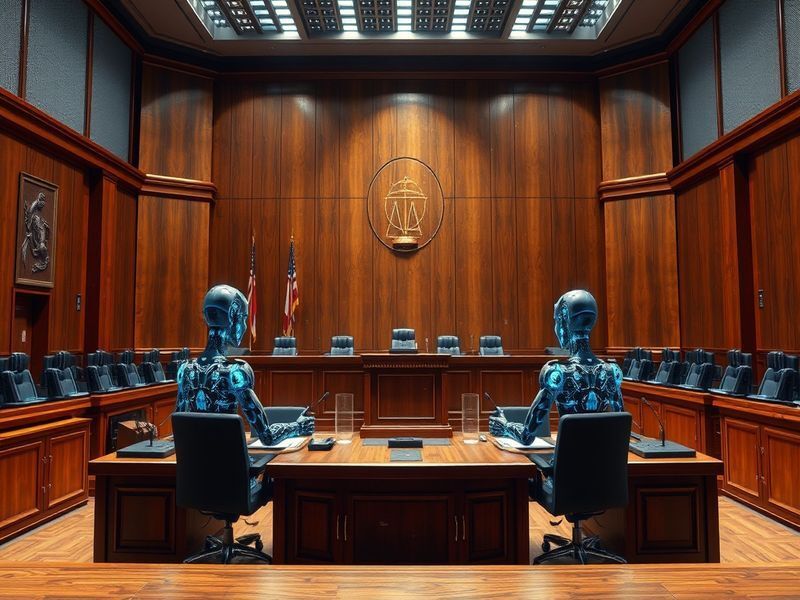
In a bold move that has sent ripples through the AI industry, Anthropic, a leading artificial intelligence research company, has initiated legal proceedings against the Pentagon. This unprecedented lawsuit highlights significant concerns regarding the U.S. government’s restrictions on AI usage and the vulnerabilities within the supply chain of AI technologies. As AI continues to evolve and integrate into various sectors, the implications of such legal actions could reshape not only the AI landscape but also the broader technological ecosystem.
The Context of the Lawsuit
Anthropic’s lawsuit stems from a growing frustration with the Pentagon’s stringent regulations regarding AI deployment, particularly in defense and national security applications. These regulations are perceived by many in the tech industry as overly restrictive and potentially stifling innovation. The core of the conflict is centered around several key issues:
- AI Use Restrictions: The Pentagon’s guidelines on AI usage have been criticized for being vague and overly cautious, leading to delays in the adoption of advanced technologies that could enhance national security.
- Supply Chain Risks: As AI technologies become more integral to defense operations, the reliance on specific suppliers raises concerns about vulnerability to disruptions, which could jeopardize military readiness.
- Innovation Stifling: Many argue that excessive regulation could hinder the pace of innovation, pushing companies to develop AI solutions that comply with outdated guidelines rather than fostering cutting-edge advancements.
Industry Implications
The implications of this lawsuit extend far beyond Anthropic and the Pentagon. They resonate across the entire tech sector, as companies begin to evaluate how regulatory frameworks may impact their operations and innovation trajectories.
- Increased Scrutiny of Regulations: The legal action may prompt a reevaluation of existing AI regulations within the defense sector. If the courts side with Anthropic, it could lead to more flexible guidelines, encouraging companies to collaborate with government entities.
- Heightened Focus on Supply Chain Security: The lawsuit brings to light the critical need for robust supply chain strategies, particularly in AI development. Companies may need to diversify their supplier bases to mitigate risks associated with geopolitical tensions or disruptions.
- Potential for Collaborative Innovation: A favorable outcome for Anthropic could foster a more collaborative environment between tech companies and government agencies. This partnership could lead to innovative solutions that enhance national security without compromising ethical standards.
Practical Insights for Tech Professionals
For professionals navigating the intersection of AI, technology, and policy, this legal saga offers several practical insights:
- Understand Regulatory Landscapes: Staying informed about the regulatory frameworks governing AI technologies is crucial. Professionals should actively engage in discussions about policy-making to ensure their voices are heard.
- Embrace Agile Development: Companies should adopt agile methodologies in their AI projects to quickly adapt to changing regulations and market demands. Flexibility could be key in maintaining a competitive edge.
- Prioritize Ethical AI Development: As legal scrutiny intensifies, ethical considerations will become paramount. Companies should focus on developing AI solutions that are not only compliant with regulations but also address societal concerns.
Future Possibilities
The outcome of Anthropic’s lawsuit against the Pentagon could set a precedent for how AI technologies are governed in the future. Here are some possibilities that could emerge:
- Revised AI Governance Models: A ruling in favor of Anthropic may encourage the development of new governance models that balance innovation with ethical considerations, paving the way for more adaptive regulatory frameworks.
- Broader Adoption of AI in Defense: If regulations are relaxed, we may see a surge in AI applications within the defense sector, leading to enhanced capabilities and improved military strategies.
- Increased Investment in AI Startups: As the legal landscape stabilizes, venture capital may flow more freely into AI startups, fostering a new wave of innovation and competition in the market.
As Anthropic’s case unfolds, it will be crucial for tech enthusiasts and professionals to monitor developments closely. The intersection of AI, law, and ethics is increasingly becoming a focal point of discussion, and the outcomes will undoubtedly shape the future of technology.