Anthropic’s Historic $1.5 Billion Settlement: A Win for Authors
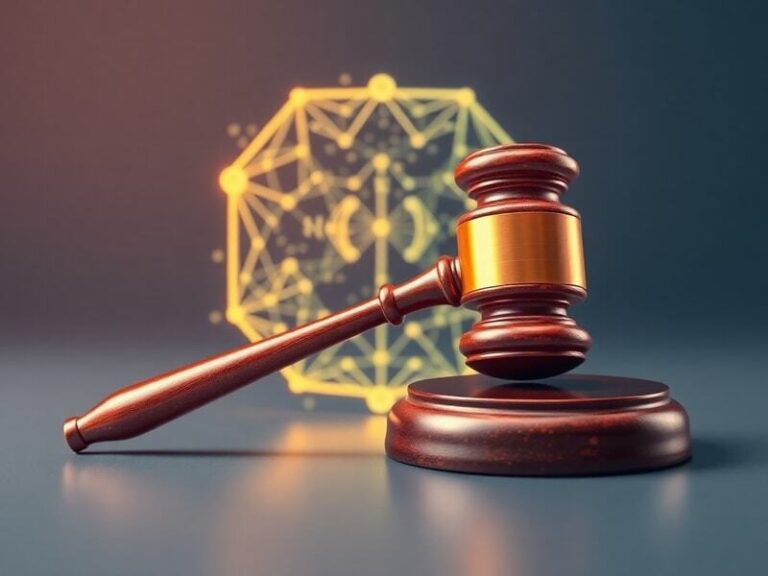
In a landmark decision that has sent ripples through the worlds of artificial intelligence and copyright law, Anthropic, an AI research company, has reached a historic $1.5 billion settlement. This payout marks the largest copyright settlement in U.S. history, fundamentally reshaping the landscape of how AI models are trained and the rights of authors in the digital age. This article delves into the implications of this settlement, offering insights for industry stakeholders and exploring future possibilities in AI training.
The Context of the Settlement
The settlement arose from a legal dispute regarding the use of copyrighted materials in the training of AI models. Authors and creators have long expressed concerns about their works being utilized without permission, leading to a growing movement advocating for stronger copyright protections. The case against Anthropic brought these issues to the forefront, culminating in an unprecedented resolution.
Key Takeaways from the Settlement
This remarkable settlement is significant for several reasons:
- Precedent-Setting: The ruling establishes a new benchmark for how copyright laws apply to AI and machine learning, potentially influencing future cases.
- Compensation for Creators: The financial payout not only compensates affected authors but also emphasizes the importance of respecting intellectual property rights in AI training.
- Encouragement for Ethical AI Development: Companies may be incentivized to adopt more ethical practices in how they source training data, fostering a culture of transparency and respect for creators.
- Impact on AI Innovation: While this settlement imposes financial constraints on companies, it may also stimulate innovation as firms seek to develop compliant training methods.
Industry Implications
The ramifications of this settlement extend far beyond Anthropic and its immediate stakeholders. Here are some critical implications for the broader AI industry:
- Redefining Training Protocols: Companies will likely need to reassess their data sourcing protocols to avoid potential legal pitfalls. This may lead to the development of new frameworks for acquiring and using copyrighted materials.
- Increased Collaboration: We may see a rise in collaborative projects between AI companies and content creators to ensure fair use of materials, creating mutually beneficial partnerships.
- Legislative Changes: The settlement could spur lawmakers to revisit copyright laws, leading to updated regulations that better address the complexities of AI and machine learning.
- Shift in Investor Sentiment: Investors may become more cautious about funding AI startups that do not have robust copyright compliance strategies, impacting funding dynamics in the industry.
Future Possibilities
As the dust settles on this historic settlement, several future possibilities emerge for the AI landscape:
- Adoption of Open Data Models: There may be a shift toward open-source datasets and collaborative data sharing initiatives, reducing reliance on copyrighted materials.
- Technological Innovations: Companies could invest in technologies that enhance data anonymization or create models that require less proprietary content, paving the way for ethical AI advancements.
- Global Considerations: As the implications of this settlement resonate globally, other countries may look to adapt similar legal frameworks, leading to a more unified approach to AI copyright issues.
- Education and Awareness: Increased awareness around copyright issues may drive educational initiatives aimed at both AI developers and content creators, fostering a more informed community.
Conclusion
The $1.5 billion settlement involving Anthropic is a watershed moment in the intersection of artificial intelligence and copyright law. It not only protects the rights of authors but also sets a precedent for ethical AI development. As the industry navigates the implications of this resolution, stakeholders must remain vigilant and adaptive to ensure that innovation continues in a manner that respects the contributions of all creators.